The 10 Best Yin Yoga Training Schools in Bali (2026)
Chosen from 32 schools, prices compared.
Updated
Slow, meditative training focused on deep stretches and connective tissue.
Yin yoga teacher training in Bali is offered at 22+ schools with 297 review mentions, the most-discussed style across all student reviews in this directory. Training focuses on passive floor-based postures held for 3 to 5 minutes, covering fascial anatomy, Traditional Chinese Medicine meridian theory, and the therapeutic applications of slow, deep stretching within a meditative framework.
The cheapest yin yoga teacher training among the 10 schools listed here starts at USD $700 at Ulu Yoga Bali.
Cheapest of the 10
USD $700
Average of the 10
USD $1,025
Most Expensive of the 10
USD $1,550
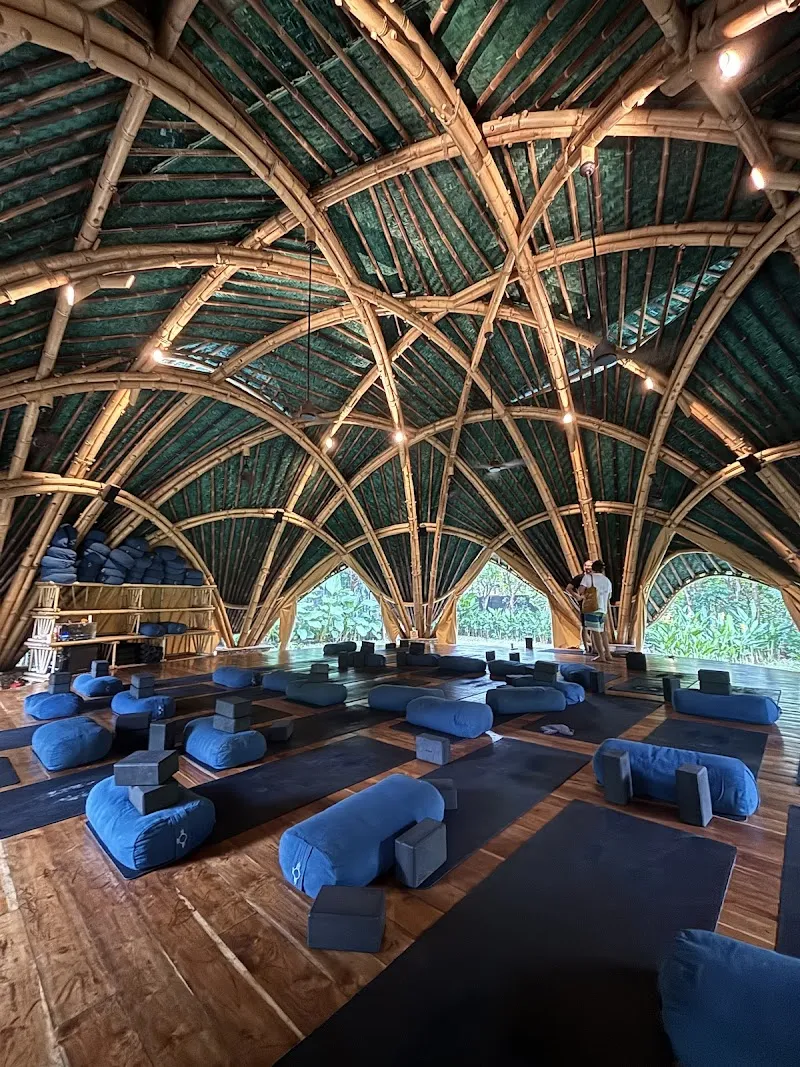
Alchemy Yoga's clifftop Uluwatu campus. Same spiritually deep curriculum as the Ubud location, set against ocean panoramas on the Bukit Peninsula.
Alchemy Yoga's clifftop Uluwatu campus. Same spiritually deep curriculum as the Ubud location, set against ocean panoramas on the Bukit Peninsula.
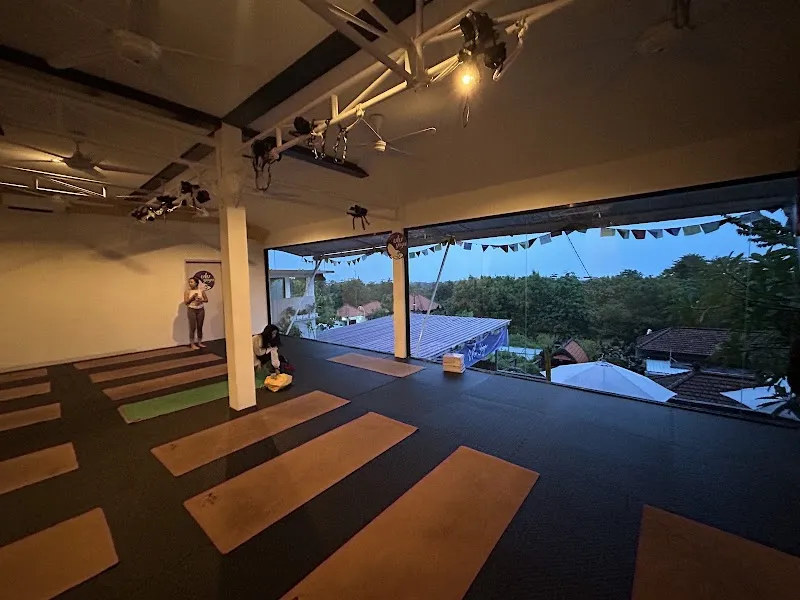
Uluwatu's most comprehensive YTT with 200hr/300hr/500hr across 5 yoga styles. All-inclusive from USD 2,199 including accommodation, meals, sauna, and massage. Reviewers praise supportive teachers.
Uluwatu's most comprehensive YTT with 200hr/300hr/500hr across 5 yoga styles. All-inclusive from USD 2,199 including accommodation, meals, sauna, and massage. Reviewers praise supportive teachers.
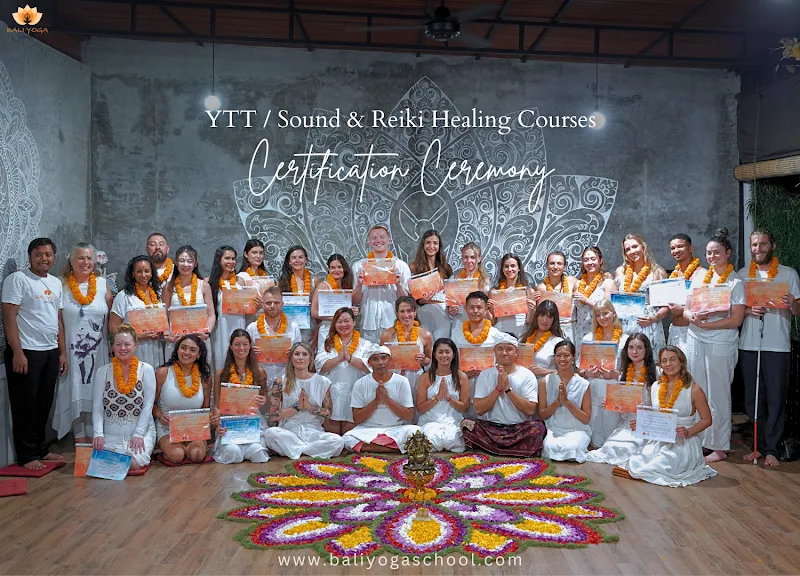
Established Ubud school with full 200hr/300hr/500hr programs from USD 2,800. Teacher Chiara praised for excellence across student reviews. All-inclusive with private bathroom.
Established Ubud school with full 200hr/300hr/500hr programs from USD 2,800. Teacher Chiara praised for excellence across student reviews. All-inclusive with private bathroom.
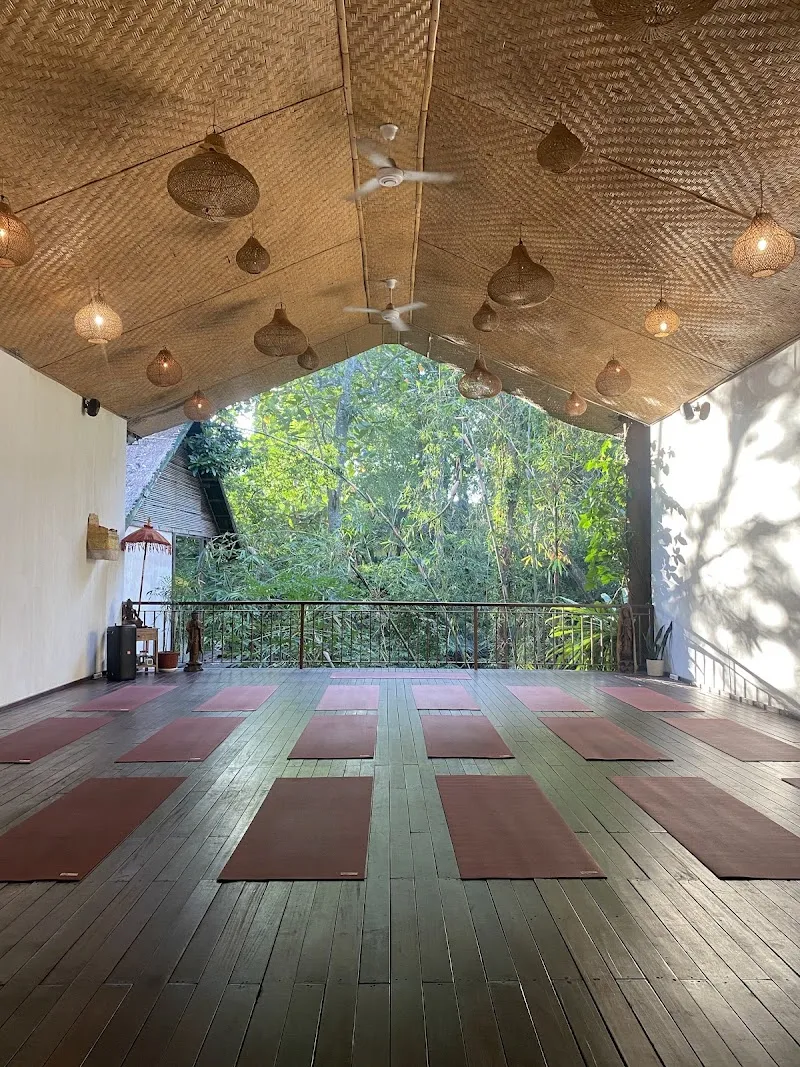
One of the most-reviewed yoga spaces in Bali. Vinyasa-rooted 200hr and 300hr programs in central Ubud. Reviewers praise lead teacher Zara for clear, accessible instruction.
One of the most-reviewed yoga spaces in Bali. Vinyasa-rooted 200hr and 300hr programs in central Ubud. Reviewers praise lead teacher Zara for clear, accessible instruction.
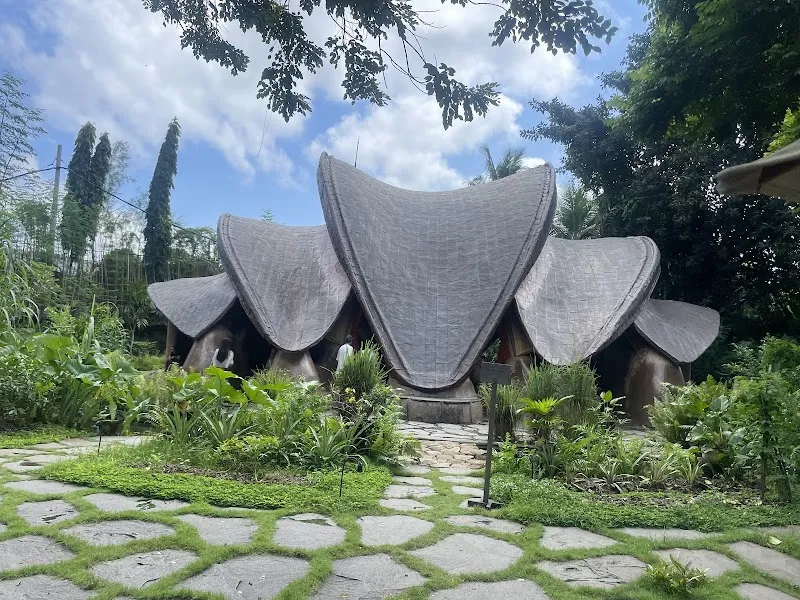
Jungle-edge shala in Penestanan. Known for spiritually deep training that emphasizes meditation and philosophy alongside asana. Reviewers highlight the value-for-money and transformative atmosphere.
Jungle-edge shala in Penestanan. Known for spiritually deep training that emphasizes meditation and philosophy alongside asana. Reviewers highlight the value-for-money and transformative atmosphere.
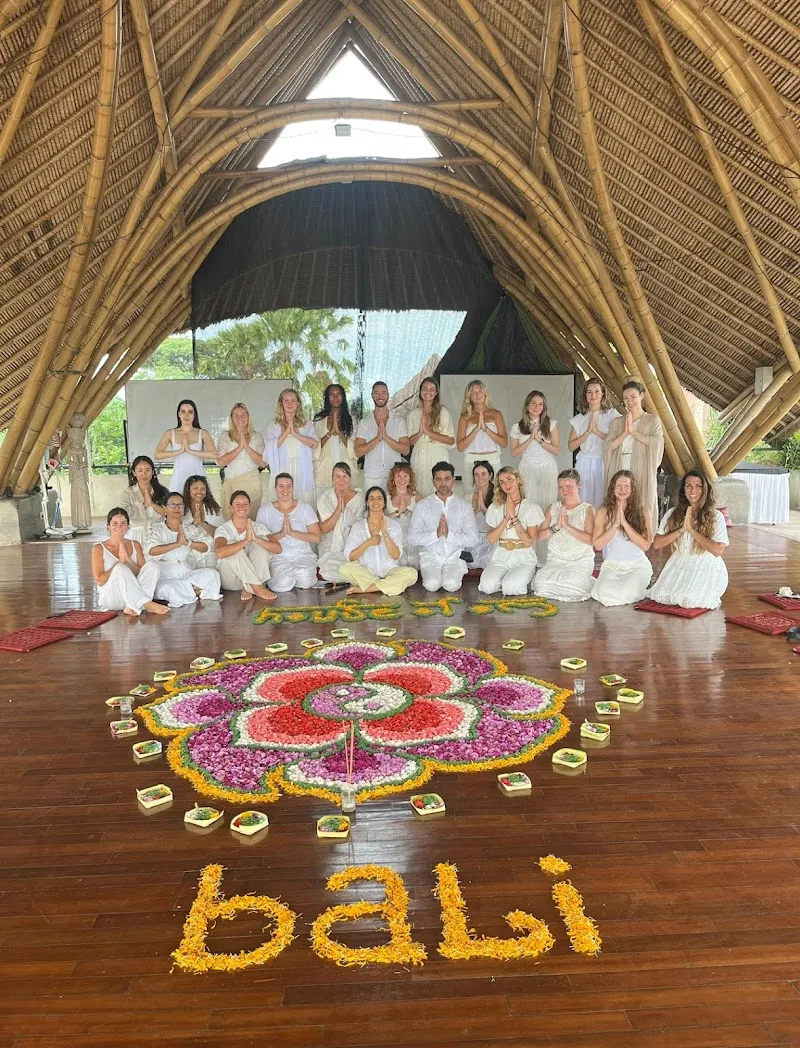
House of Om's flagship Ubud campus. Full 200hr, 300hr and 500hr Yoga Alliance certified programs. Reviewers praise the food, the setting and the organization of the training.
House of Om's flagship Ubud campus. Full 200hr, 300hr and 500hr Yoga Alliance certified programs. Reviewers praise the food, the setting and the organization of the training.
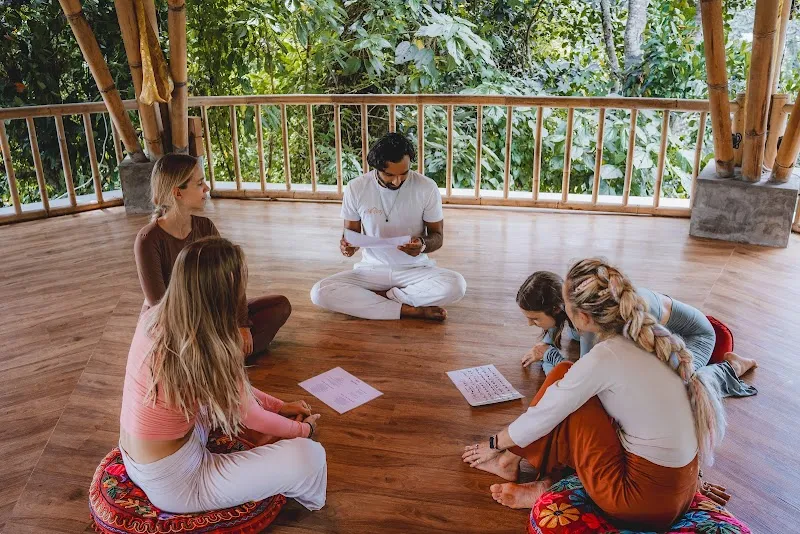
House of Om's retreat-style campus in the Ubud hills. Reviewers praise exceptional food, rice terrace views, and an immersive training atmosphere. Full 200hr/300hr/500hr programs.
House of Om's retreat-style campus in the Ubud hills. Reviewers praise exceptional food, rice terrace views, and an immersive training atmosphere. Full 200hr/300hr/500hr programs.
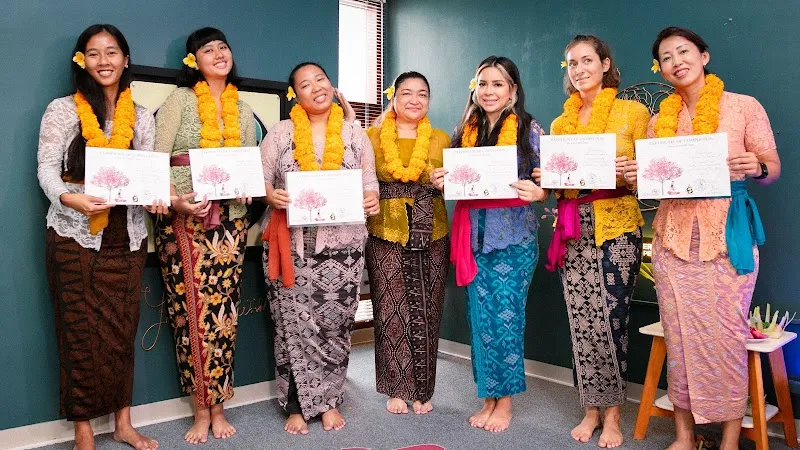
Bali's dedicated Yin Yoga specialist. Maximum 6 students per cohort. Dedicated RYS-200 and RYS-300 Yin certifications on the Bukit Peninsula.
Bali's dedicated Yin Yoga specialist. Maximum 6 students per cohort. Dedicated RYS-200 and RYS-300 Yin certifications on the Bukit Peninsula.
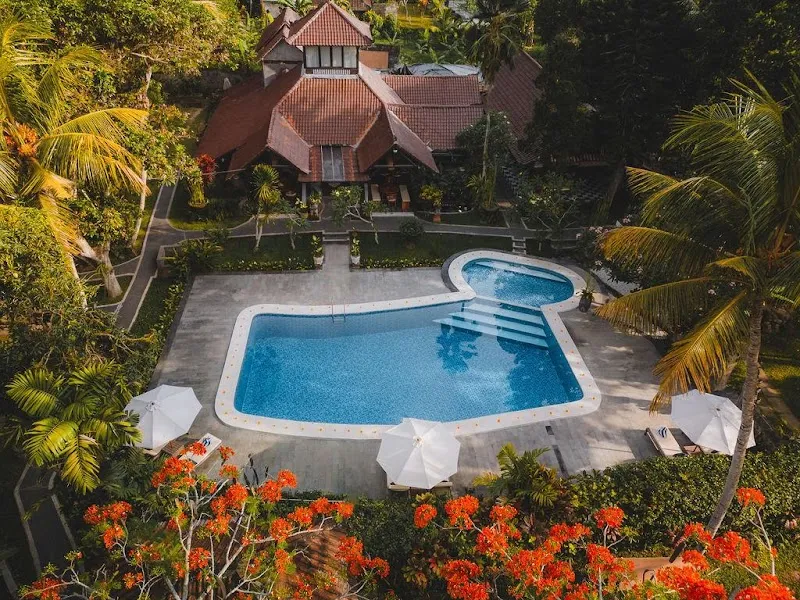
The original House of Om campus in Ubud's Melati area. Reviewers praise outstanding food, comfortable rooms, and well-organized 200hr/300hr/500hr certification programs.
The original House of Om campus in Ubud's Melati area. Reviewers praise outstanding food, comfortable rooms, and well-organized 200hr/300hr/500hr certification programs.
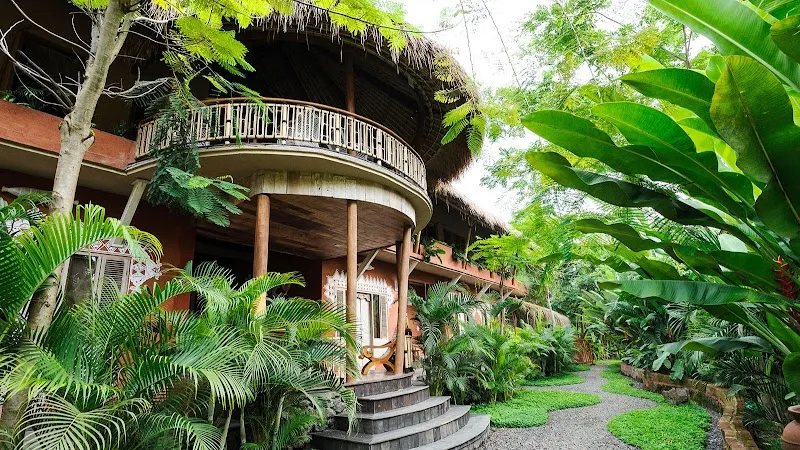
Ubud's most iconic yoga venue hosting 5+ RYS-certified training programs. Internationally recognized teachers including Ana Forrest and Tara Judelle. Multi-shala complex with daily classes, restaurant, and healing center.
Ubud's most iconic yoga venue hosting 5+ RYS-certified training programs. Internationally recognized teachers including Ana Forrest and Tara Judelle. Multi-shala complex with daily classes, restaurant, and healing center.
The best 10 of 32 Bali yoga schools for Yin Yoga Teacher Training, with published prices where available. Data source: school websites. Always confirm current pricing with the school directly before enrolling.
Showing the best 10 of 32 schools. See all 32 schools →
Run a yoga school in Bali? Ask us about being listed on this page
What Is Yin Yoga Teacher Training?
What Makes a Good Yin Yoga Teacher Training?
Related Articles
Styles
Vinyasa vs Ashtanga vs Yin: Choosing Your Yoga Teacher Training Style
Compare the three most popular YTT styles in Bali. Physical demands, teaching opportunities, and which style matches your goals and personality.
Read more →Planning
The Best Time of Year for Yoga Teacher Training in Bali
Dry season vs wet season, pricing fluctuations, cohort availability, and visa timing. When to book and when to avoid for the best training experience.
Read more →Career
Is a Bali YTT Worth It? Costs, Career Prospects, and Real Graduate Experiences
The honest case for and against doing your YTT in Bali. What graduates actually earn, career paths, and whether the certification pays for itself.
Read more →Frequently Asked Questions
Yin receives 297 mentions across student reviews, ahead of Vinyasa (265), Hatha (237), and Ashtanga (203). Students frequently describe Yin sessions as the unexpected highlight of their training because the practice creates physical and emotional releases they did not anticipate. Multi-style programs that include Yin often receive specific praise for the Yin component, even from students who enrolled primarily for Vinyasa or Hatha training. The contemplative nature of Yin also aligns naturally with the spiritual dimension of training in Bali.
Both options exist in Bali. Most schools include Yin as one component (20 to 40 hours) within a multi-style 200-hour curriculum. Yin Yoga World in Uluwatu offers standalone 200-hour and 300-hour certifications built entirely around Yin methodology, which is rare globally. For Yoga Alliance registration, Yin training hours count toward either a full 200-hour or 300-hour program or as Continuing Education hours for already-registered teachers. Standalone Yin specialty certifications (50 to 100 hours) are also available and count as Yoga Alliance Continuing Education.
No, and this is one of Yin's most important pedagogical points. Yin Yoga teaches that skeletal structure (bone shape, joint socket depth, proportional limb lengths) determines range of motion more than muscle flexibility. Students with limited flexibility often become better Yin teachers because they intuitively understand the need for prop-supported modifications and alternative posture entries. The training teaches you to assess each student's structural limitations and offer intelligent adjustments rather than pushing toward a universal shape. Less flexible bodies demonstrate this principle more clearly than hypermobile ones.
Yin Yoga applies moderate, sustained stress to connective tissue through postures held 3 to 5 minutes, intentionally loading fascia, ligaments, and joint capsules to stimulate remodeling and increase range of motion. Restorative Yoga uses props (bolsters, blankets, blocks) to support the body in completely passive positions with zero mechanical stress, activating the parasympathetic nervous system for deep relaxation. Most Yin YTT programs cover the distinction and include restorative techniques as complementary tools. Yin is therapeutic (creating controlled stress for adaptation); Restorative is recuperative (eliminating stress for recovery).
Yin Yoga World in Uluwatu is the clear leader, with an entire school built around Yin methodology and dedicated RYS certifications. In Ubud, schools like Blooming Lotus Yoga, Shades of Yoga, and Ubud Yoga House include substantial Yin modules within multi-style programs. Loka Yoga School in Canggu pairs Yin with Vinyasa. For students who want deep Yin expertise, a dedicated program like Yin Yoga World's provides significantly more Yin contact hours than a multi-style program that includes Yin as one component among several.
Yin-specific anatomy covers fascial anatomy (the body's connective tissue web and how it responds to sustained loading), compression versus tension theory (understanding what physically stops a posture: bone-on-bone compression versus tissue tension, each requiring different teaching responses), skeletal variation analysis (why the same pose looks different in different bodies and why that is normal), meridian pathways and their relationship to fascial lines, and the physiological effects of creep and hysteresis in connective tissue under sustained load. These topics are rarely covered in depth in active-style YTTs.
A Yin-only career is possible but limiting. Most studios schedule 1 to 3 Yin classes per week versus 10 to 15 Vinyasa or Hatha classes, so Yin-only teachers have fewer available time slots. The most employable combination is Vinyasa certification plus Yin specialty: you can teach energetic morning and lunchtime classes plus contemplative evening sessions, covering peak and off-peak studio hours. Yin specialists find strong demand in therapeutic settings, wellness retreats, and corporate wellness programs where the slow, accessible nature of the practice serves populations that active yoga does not.
Standalone Yin certifications run 50 to 100 hours (1 to 2 weeks of intensive training). Within a full 200-hour multi-style program, Yin typically receives 20 to 40 hours of dedicated instruction, roughly 10 to 20 percent of total contact hours. Yin Yoga World's 200-hour program dedicates the full 200 hours to Yin methodology, running 21 to 28 days, the same duration as any 200-hour program but with exclusively Yin content. The right format depends on your goals: standalone specialty for adding Yin to an existing certification, or full Yin 200-hour for deep specialization.
The physical demands are different rather than easier. Holding floor postures for 3 to 5 minutes challenges patience, concentration, and the ability to sit with discomfort in ways that active practices do not. Hip openers held for extended periods can produce intense sensation. The training involves less cardiovascular effort and less impact on joints than Vinyasa or Ashtanga, but more sustained flexibility work and longer seated periods for anatomy and meridian theory lectures. Students often report that Yin training is more emotionally challenging than physically challenging, as extended stillness can surface stored tension and emotional responses.
Most Bali YTT programs provide all props during training: bolsters, blocks, blankets, straps, and sometimes sandbags. After graduating, building a basic Yin teaching kit costs approximately USD 200 to USD 400: 2 to 4 bolsters, 6 to 8 blocks, 4 to 6 blankets, and 4 to 6 straps for a class of 15 students. Many studios provide props, so your personal investment may only be a demonstration set. For private teaching or workshops, a portable kit of 2 bolsters, 4 blocks, and 4 blankets covers most Yin class needs. The investment pays for itself within a few weeks of teaching.
Ready to Compare Schools?
Browse all 32+ schools side by side.