The 10 Best 300-Hour YTT Schools in Bali (2026)
Chosen from 32 schools, prices compared.
Updated
Advanced training for existing RYT-200 holders. Qualify for RYT-500 registration.
A 300-hour advanced yoga teacher training in Bali starts at USD 2,199 to USD 4,250 depending on the school, rising to USD 4,550 for a private room. Our directory tracks published 300-hour pricing at 11 schools, and 23 of our 32 listings run the program for existing RYT-200 holders. Completing a 300-hour program on top of an existing 200-hour certification qualifies graduates for RYT-500 registration, the highest standard Yoga Alliance teaching credential.
The cheapest 300-hour ytt among the 10 schools listed here starts at USD $2,199 at Ulu Yoga Bali.
Cheapest of the 10
USD $2,199
Average of the 10
USD $3,170
Most Expensive of the 10
USD $4,250
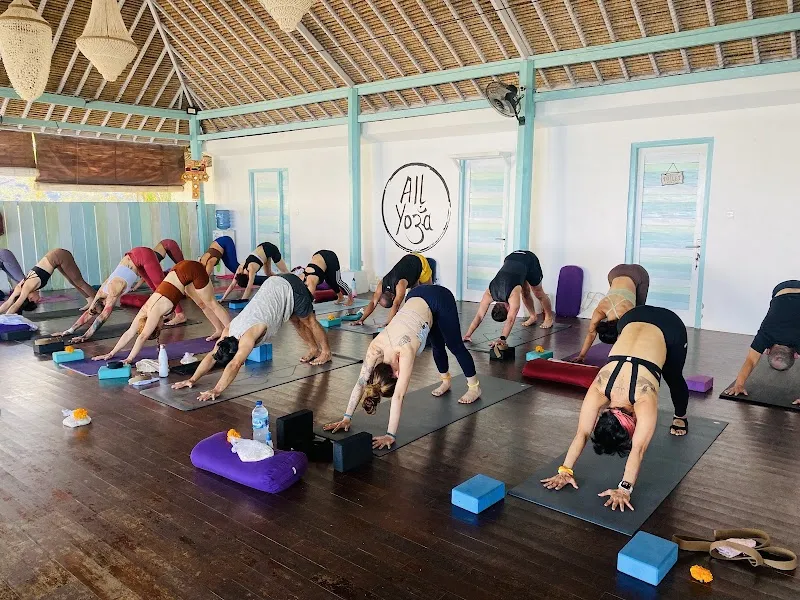
1.All Yoga Training Bali
Editor's PickIsland setting on Nusa Lembongan. Multi-style 200hr and 300hr training in Vinyasa, Ashtanga, Yin, and Rocket yoga. First 10 sign-ups get free accommodation.
1.All Yoga Training Bali
Editor's PickIsland setting on Nusa Lembongan. Multi-style 200hr and 300hr training in Vinyasa, Ashtanga, Yin, and Rocket yoga. First 10 sign-ups get free accommodation.
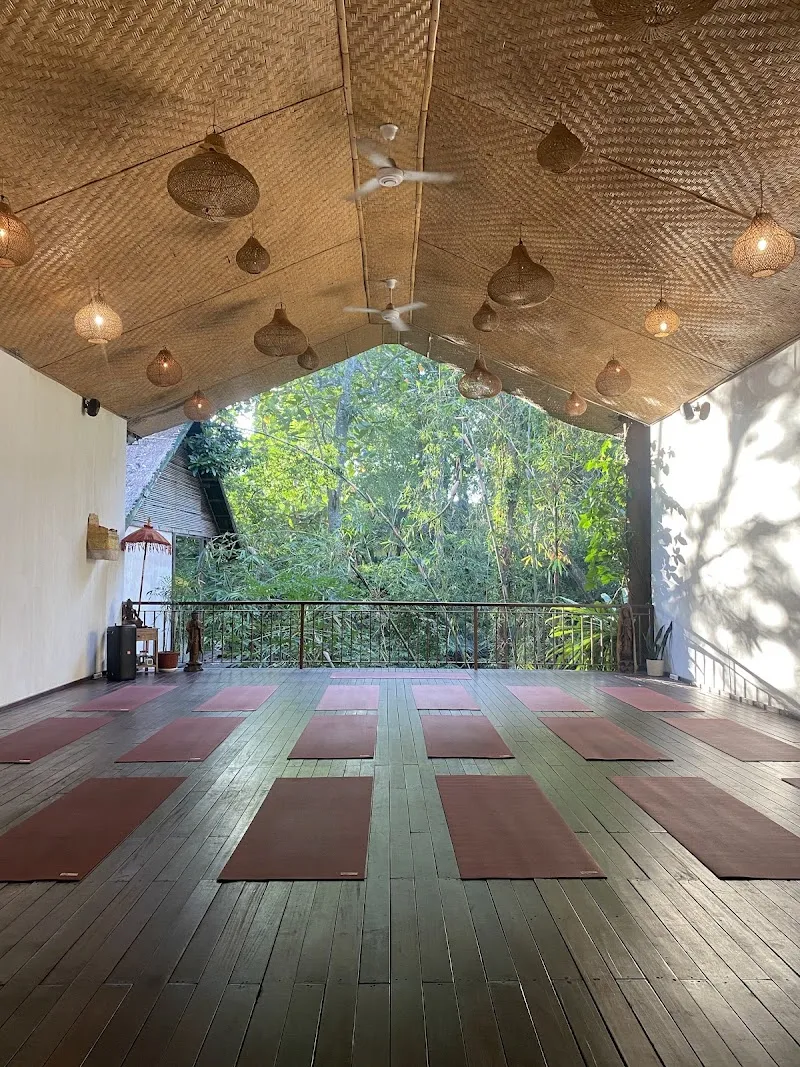
One of the most-reviewed yoga spaces in Bali. Vinyasa-rooted 200hr and 300hr programs in central Ubud. Reviewers praise lead teacher Zara for clear, accessible instruction.
One of the most-reviewed yoga spaces in Bali. Vinyasa-rooted 200hr and 300hr programs in central Ubud. Reviewers praise lead teacher Zara for clear, accessible instruction.
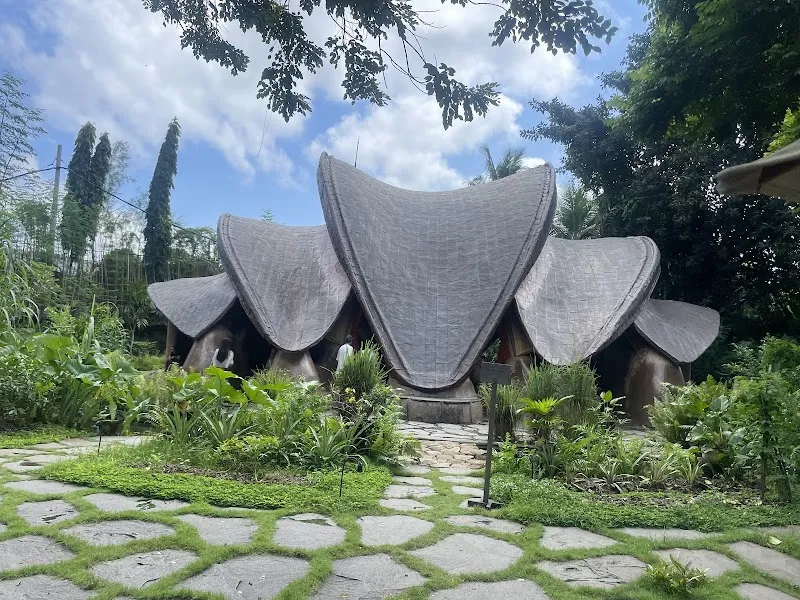
Jungle-edge shala in Penestanan. Known for spiritually deep training that emphasizes meditation and philosophy alongside asana. Reviewers highlight the value-for-money and transformative atmosphere.
Jungle-edge shala in Penestanan. Known for spiritually deep training that emphasizes meditation and philosophy alongside asana. Reviewers highlight the value-for-money and transformative atmosphere.
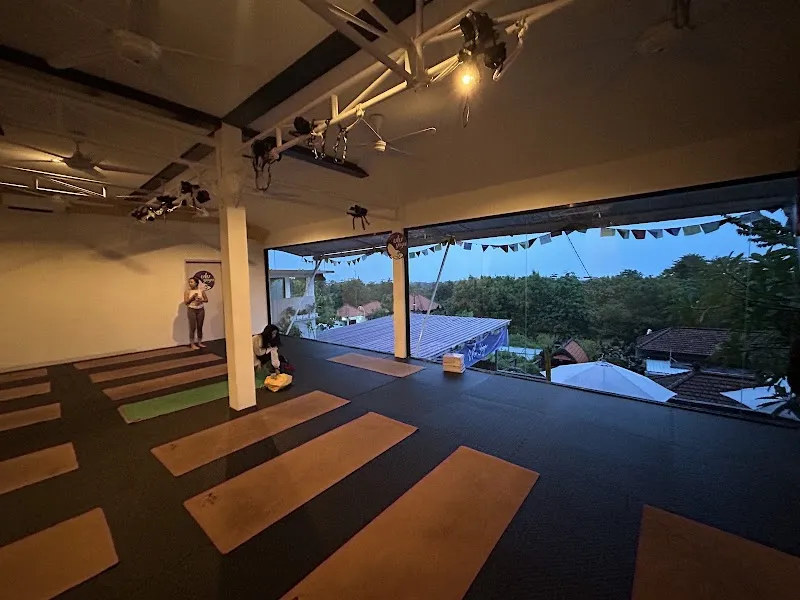
Uluwatu's most comprehensive YTT with 200hr/300hr/500hr across 5 yoga styles. All-inclusive from USD 2,199 including accommodation, meals, sauna, and massage. Reviewers praise supportive teachers.
Uluwatu's most comprehensive YTT with 200hr/300hr/500hr across 5 yoga styles. All-inclusive from USD 2,199 including accommodation, meals, sauna, and massage. Reviewers praise supportive teachers.
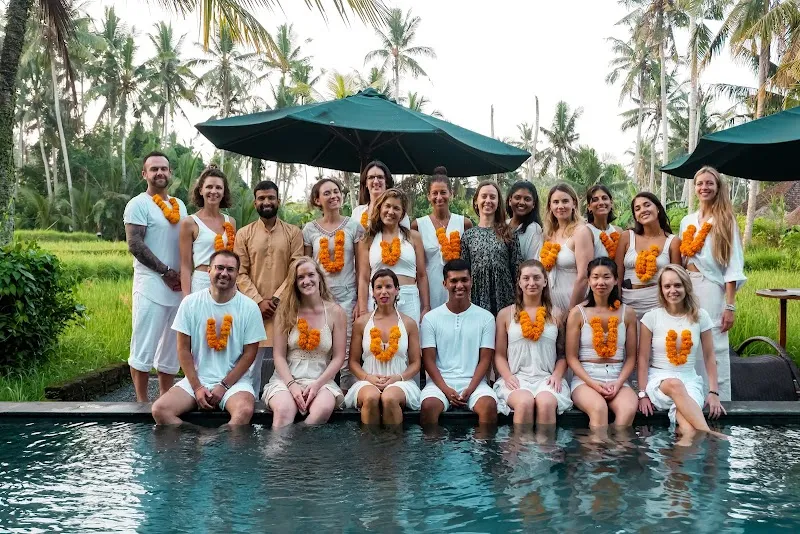
Budget-friendly 200hr from USD 1,899 shared. Full ashram experience with Vinyasa, Ashtanga, and Yin training. Private villas to shared rooms available.
Budget-friendly 200hr from USD 1,899 shared. Full ashram experience with Vinyasa, Ashtanga, and Yin training. Private villas to shared rooms available.
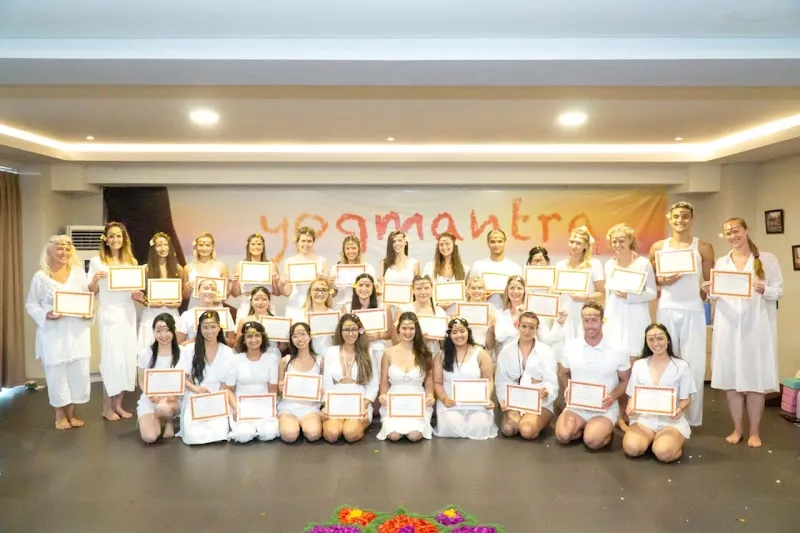
Multi-style training with maximum 14 students, from USD 1,500. Reviewers praise detailed anatomy instruction by teacher Saurav. Includes accommodation with sea-view options and meals.
Multi-style training with maximum 14 students, from USD 1,500. Reviewers praise detailed anatomy instruction by teacher Saurav. Includes accommodation with sea-view options and meals.
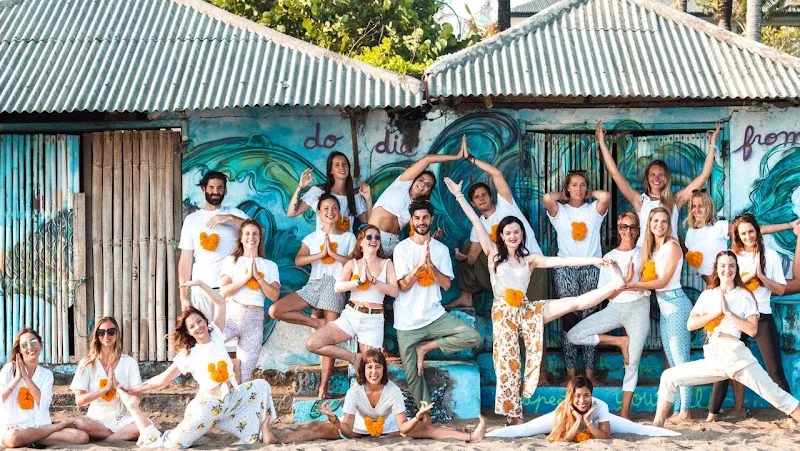
Canggu studio with a strong anatomy focus. Teacher Nitish praised for detailed instruction. All-inclusive 200hr from ~USD 2,090 with accommodation and meals.
Canggu studio with a strong anatomy focus. Teacher Nitish praised for detailed instruction. All-inclusive 200hr from ~USD 2,090 with accommodation and meals.
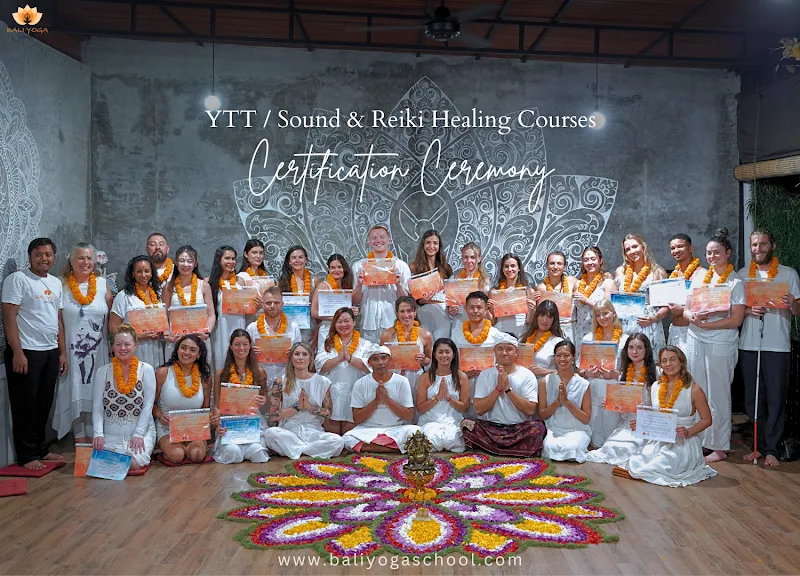
Established Ubud school with full 200hr/300hr/500hr programs from USD 2,800. Teacher Chiara praised for excellence across student reviews. All-inclusive with private bathroom.
Established Ubud school with full 200hr/300hr/500hr programs from USD 2,800. Teacher Chiara praised for excellence across student reviews. All-inclusive with private bathroom.
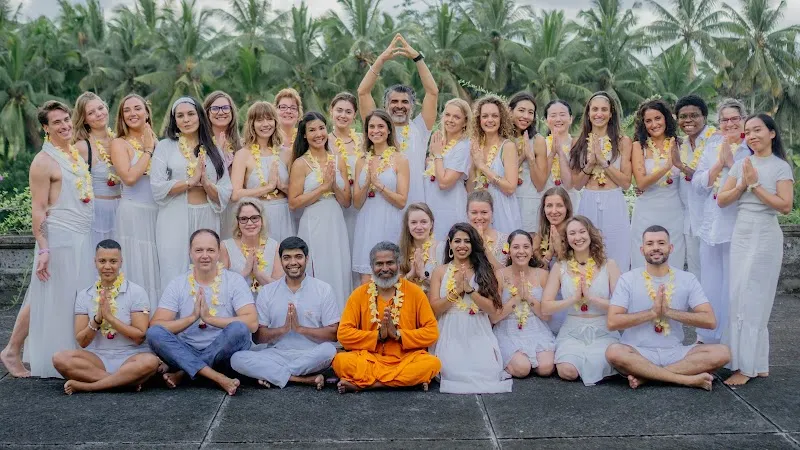
200hr from USD 3,199 at Om Ham Retreat. Emphasizes anatomy and philosophy alongside multi-style practice. Reviewers describe the experience as life-changing.
200hr from USD 3,199 at Om Ham Retreat. Emphasizes anatomy and philosophy alongside multi-style practice. Reviewers describe the experience as life-changing.
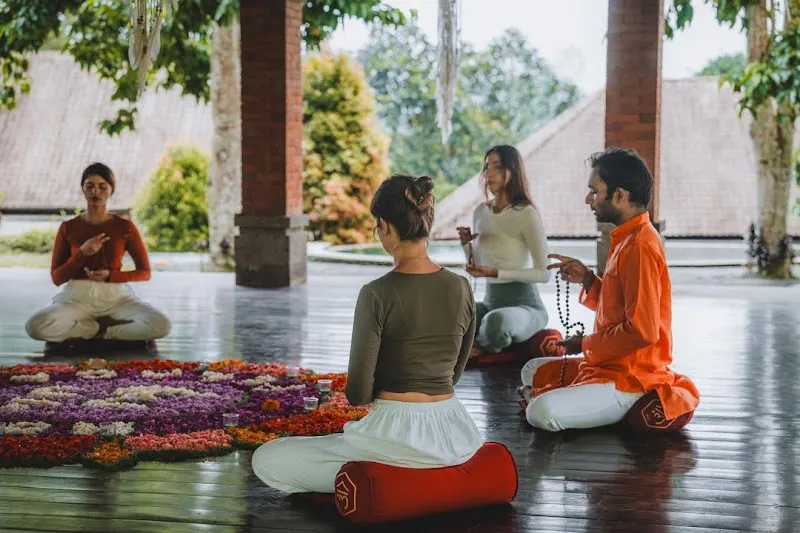
House of Om's highland campus in rural Pelaga. Multi-style curriculum from USD 2,390. Maximum seclusion with cooler temperatures and lush tropical surroundings.
House of Om's highland campus in rural Pelaga. Multi-style curriculum from USD 2,390. Maximum seclusion with cooler temperatures and lush tropical surroundings.
The best 10 of 32 Bali yoga schools for 300-Hour YTT, with published prices where available. Data source: school websites. Always confirm current pricing with the school directly before enrolling.
Showing the best 10 of 32 schools. See all 32 schools →
Run a yoga school in Bali? Ask us about being listed on this page
What Is a 300-Hour Yoga Teacher Training?
What Affects 300-Hour YTT Prices in Bali?
Related Articles
Guide
How to Choose a Yoga Teacher Training in Bali: The Complete Guide
What to look for in a Bali YTT school. Yoga Alliance verification, teacher credentials, cohort size, accommodation, and the questions to ask before booking.
Read more →Career
Is a Bali YTT Worth It? Costs, Career Prospects, and Real Graduate Experiences
The honest case for and against doing your YTT in Bali. What graduates actually earn, career paths, and whether the certification pays for itself.
Read more →Certification
Yoga Alliance Accreditation Explained: Why It Matters for Your Bali YTT
What RYS, RYT, and E-RYT mean. How to verify a school's registration. Why non-certified programs are risky and what to check before enrolling.
Read more →Frequently Asked Questions
Eleven schools in this directory publish a 300-hour price. From lowest starting price: Ulu Yoga Bali (USD 2,199), Yogmantra Bali (USD 2,500), Bali Yoga Ashram (USD 2,549), Radiantly Alive (USD 2,900), House Of Om Pelaga (USD 2,950), Bali Yoga School (USD 3,070), Alchemy Yoga (USD 3,500), Joga Yoga (USD 3,629), Inner Yoga Training Bali (USD 3,950), All Yoga Training Bali (USD 4,150), and Yoga New Vision (USD 4,250). Each figure is that school's lowest published tier, which is shared accommodation in most cases but tuition only at Radiantly Alive and Alchemy Yoga, and a private room at Yogmantra. Eight of the eleven are in Ubud, with one each in Canggu, Uluwatu and Nusa Lembongan. A further 12 schools run 300-hour training without publishing a price, so 23 listings in total offer the program.
Requirements vary by school. Some accept graduates immediately after their 200-hour certification, while others recommend 6 to 12 months of active teaching experience before enrolling. Teaching between certifications is strongly recommended even where not required: student reviews from 300-hour programs consistently mention that graduates who taught before returning for advanced training engaged more deeply with the material because they could connect theory to real classroom challenges they had already encountered.
Bali Yoga Ashram offers a traditional ashram-style 300-hour program in Ubud, USD 2,549 in a shared room or USD 2,899 in a private one, with three meals a day. The lower price reflects the ashram setting and shared rooms, not lesser curriculum hours. Higher-priced programs like Yoga New Vision (USD 4,250) include more comfortable accommodation, smaller cohort sizes, specialized modules, and sometimes additional certifications. The Yoga Alliance contact hours and certification outcome are equivalent across all price points.
300-hour programs focus on depth rather than breadth. Core topics include advanced biomechanics and functional anatomy (understanding skeletal variation, injury prevention, and therapeutic modifications), advanced pranayama techniques beyond basic breath awareness, meditation instruction methodology, the business of running a yoga career (pricing, marketing, studio management), and specialized teaching for populations like pregnant students, older adults, and trauma survivors. Some programs include modules in Ayurveda, advanced philosophy (Bhagavad Gita, Upanishads), or specific style specializations.
Some schools offer modular formats where the 300 hours are completed across two or three shorter residencies over 6 to 12 months. This approach lets you teach between modules and integrate what you learn before returning. Contact schools directly about modular availability, as not all advertise this option on their websites. Schools with year-round scheduling (like Radiantly Alive and Bali Yoga School) are more likely to accommodate split formats because they run multiple cohorts annually.
The daily structure is similar (6 to 8 hours, starting at 6:00 AM), but the content density is higher. 300-hour mornings typically feature advanced Mysore-style or self-practice sessions rather than led classes, giving teachers space to develop their personal practice. Afternoon sessions shift from foundational learning toward applied teaching labs, peer feedback rounds, and supervised practice teaching with external students. Philosophy discussions go deeper, often covering primary texts rather than survey-level introductions. Rest days may include mentorship sessions with senior faculty.
You receive a separate 300-hour completion certificate from your training school. This does not replace your 200-hour certificate. Both certificates together qualify you to register as RYT-500 with Yoga Alliance. The 300-hour certificate is valid on its own for insurance purposes and for schools that require it. After accumulating 2,000 teaching hours post-500-hour certification, you become eligible for E-RYT 500 status, which qualifies you to lead teacher trainings yourself.
Not necessarily. While 300-hour programs spend more time on classroom topics (anatomy labs, philosophy seminars, teaching methodology), the asana practice component assumes a stronger foundation and moves faster. Morning self-practice sessions last 90 minutes to 2 hours and advanced postures are explored with less scaffolding. Students who took time off from practice between their 200-hour and 300-hour often report the physical component being the most challenging aspect. Maintaining a consistent personal practice before arrival is more important for 300-hour than 200-hour programs.
Both approaches have advantages. Returning to the same school means continuity of teaching philosophy, established relationships with faculty, and often a returning-student discount. Training at a different school exposes you to new teaching methodologies, sequencing approaches, and philosophical perspectives, which many experienced teachers say made them more versatile instructors. If your 200-hour was multi-style, consider a specialized 300-hour (Yin-focused, Ashtanga-focused) to add depth. If your 200-hour was style-specific, a multi-style 300-hour broadens your teaching range.
RYT-500 qualifies you for senior teaching positions at established studios, lead teacher roles at retreat centers, and higher per-class rates (typically 30 to 50 percent more than RYT-200 rates). Many yoga festivals, international retreat companies, and teacher training programs require RYT-500 minimum for their facilitators. After accumulating 2,000 teaching hours, RYT-500 holders qualify for E-RYT 500, which authorizes you to serve as a lead trainer for other Yoga Alliance registered teacher training programs, effectively opening a second revenue stream.
Ready to Compare Schools?
Browse all 32+ schools side by side.