The 10 Best 200-Hour YTT Schools in Bali (2026)
Chosen from 32 schools, prices compared.
Updated
The entry-level Yoga Alliance certification. Compare 200-hour programs across Ubud, Canggu, Uluwatu and the rest of the island.
A 200-hour yoga teacher training in Bali costs USD 1,500 to USD 4,179, with most programs running 21 to 28 days and including shared accommodation plus daily meals. Our directory tracks published 200-hour pricing at 28 schools, across Ubud, Canggu, Uluwatu, Seminyak, Sanur, Tabanan and Nusa Lembongan, making it the most accessible entry point into Yoga Alliance RYT-200 certification. The 10 best are listed on this page.
The cheapest 200-hour ytt among the 10 schools listed here starts at USD $1,500 at Yogmantra Bali.
Cheapest of the 10
USD $1,500
Average of the 10
USD $2,367
Most Expensive of the 10
USD $3,399
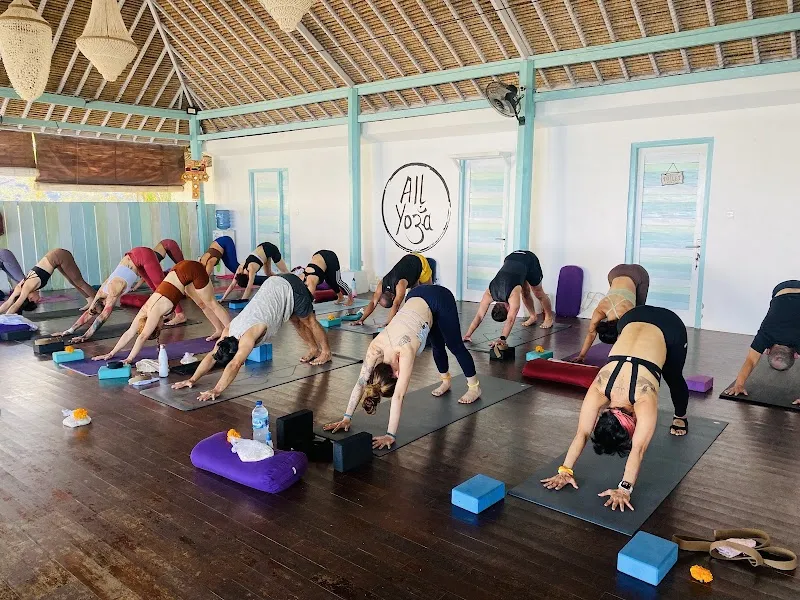
1.All Yoga Training Bali
Editor's PickIsland setting on Nusa Lembongan. Multi-style 200hr and 300hr training in Vinyasa, Ashtanga, Yin, and Rocket yoga. First 10 sign-ups get free accommodation.
1.All Yoga Training Bali
Editor's PickIsland setting on Nusa Lembongan. Multi-style 200hr and 300hr training in Vinyasa, Ashtanga, Yin, and Rocket yoga. First 10 sign-ups get free accommodation.
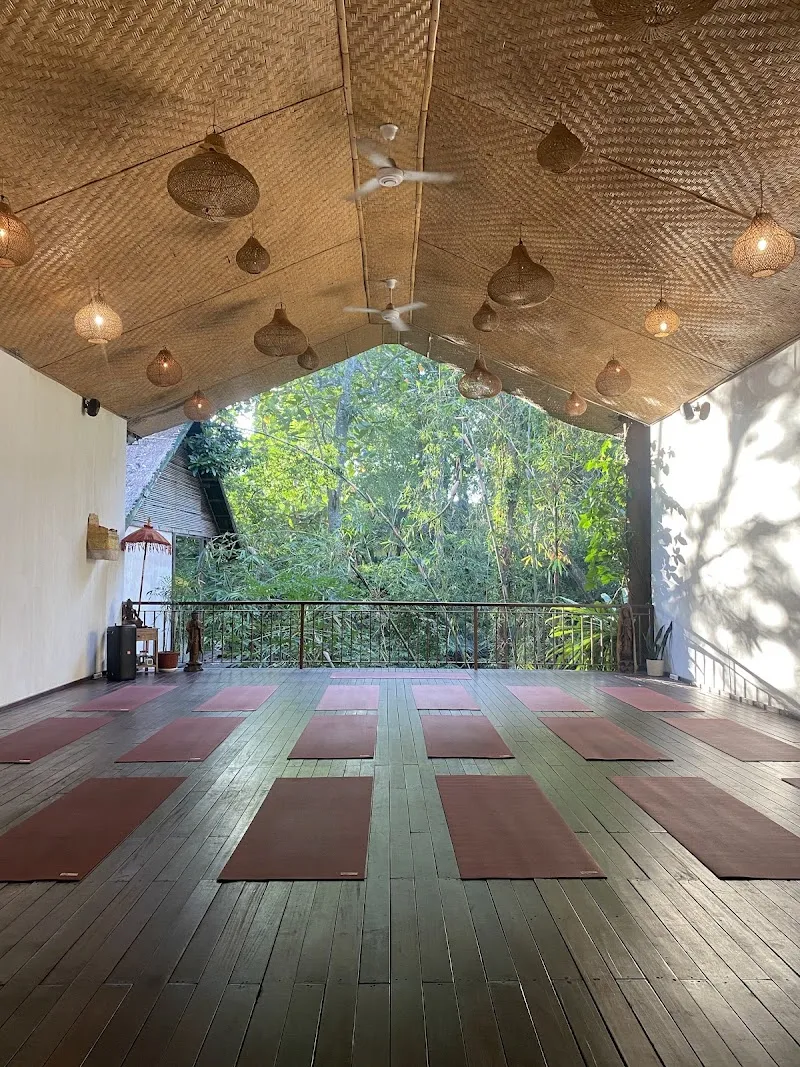
One of the most-reviewed yoga spaces in Bali. Vinyasa-rooted 200hr and 300hr programs in central Ubud. Reviewers praise lead teacher Zara for clear, accessible instruction.
One of the most-reviewed yoga spaces in Bali. Vinyasa-rooted 200hr and 300hr programs in central Ubud. Reviewers praise lead teacher Zara for clear, accessible instruction.
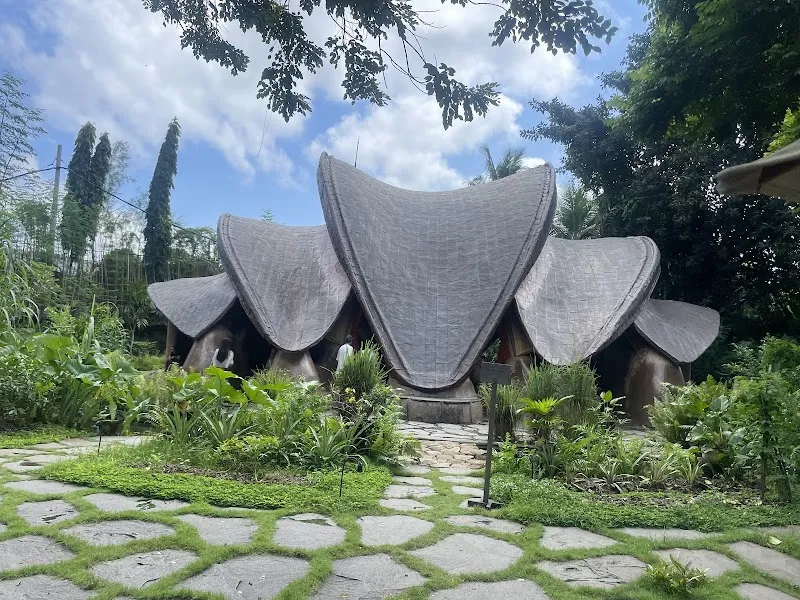
Jungle-edge shala in Penestanan. Known for spiritually deep training that emphasizes meditation and philosophy alongside asana. Reviewers highlight the value-for-money and transformative atmosphere.
Jungle-edge shala in Penestanan. Known for spiritually deep training that emphasizes meditation and philosophy alongside asana. Reviewers highlight the value-for-money and transformative atmosphere.
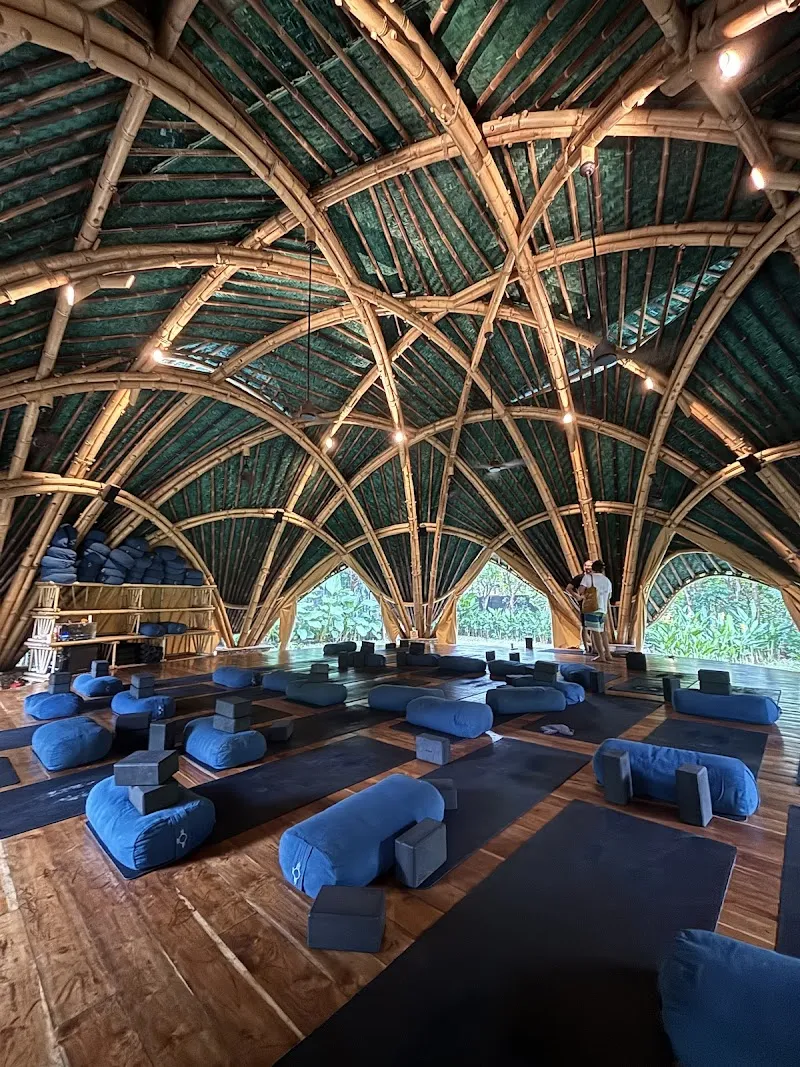
Alchemy Yoga's clifftop Uluwatu campus. Same spiritually deep curriculum as the Ubud location, set against ocean panoramas on the Bukit Peninsula.
Alchemy Yoga's clifftop Uluwatu campus. Same spiritually deep curriculum as the Ubud location, set against ocean panoramas on the Bukit Peninsula.
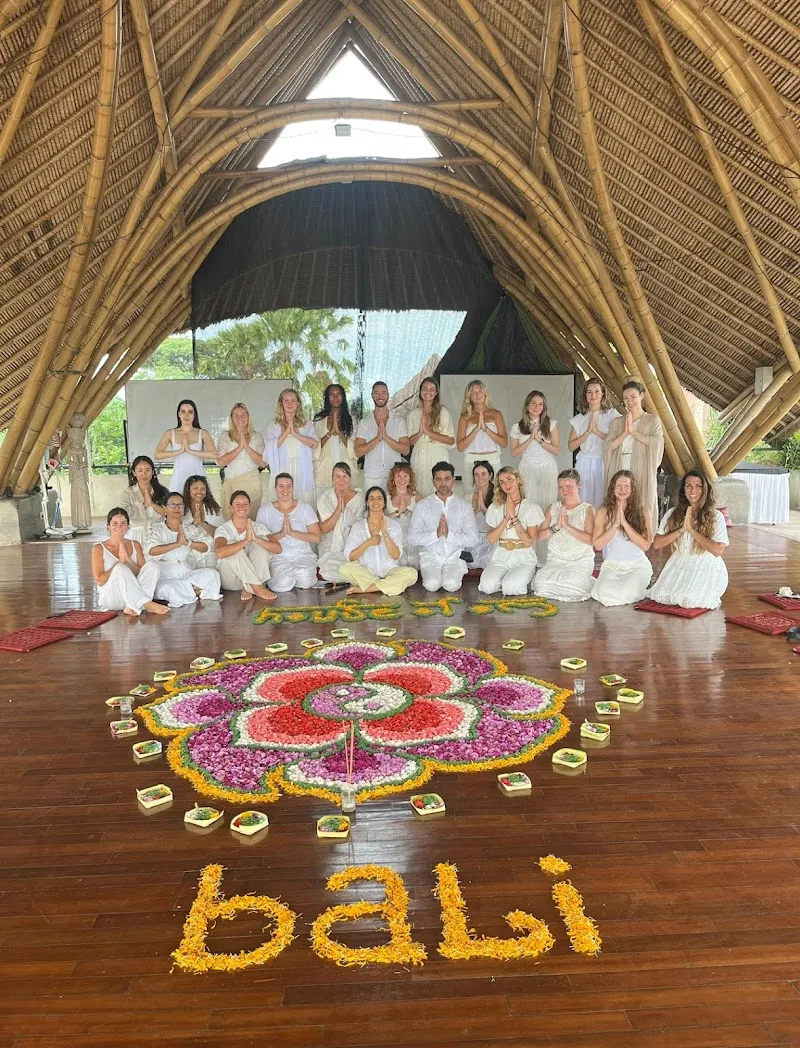
House of Om's flagship Ubud campus. Full 200hr, 300hr and 500hr Yoga Alliance certified programs. Reviewers praise the food, the setting and the organization of the training.
House of Om's flagship Ubud campus. Full 200hr, 300hr and 500hr Yoga Alliance certified programs. Reviewers praise the food, the setting and the organization of the training.
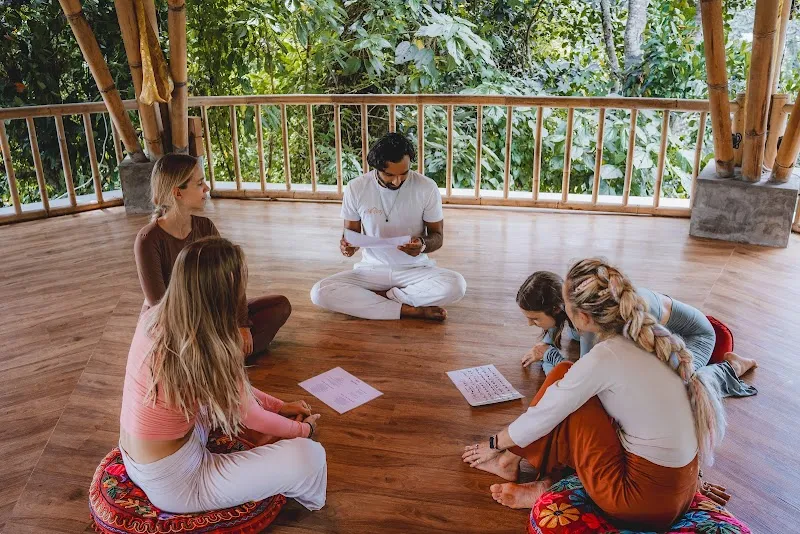
House of Om's retreat-style campus in the Ubud hills. Reviewers praise exceptional food, rice terrace views, and an immersive training atmosphere. Full 200hr/300hr/500hr programs.
House of Om's retreat-style campus in the Ubud hills. Reviewers praise exceptional food, rice terrace views, and an immersive training atmosphere. Full 200hr/300hr/500hr programs.
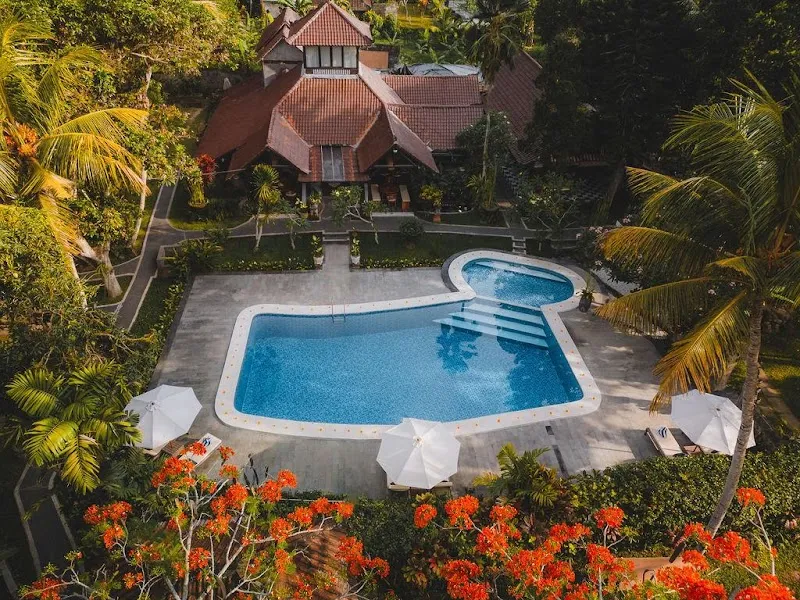
The original House of Om campus in Ubud's Melati area. Reviewers praise outstanding food, comfortable rooms, and well-organized 200hr/300hr/500hr certification programs.
The original House of Om campus in Ubud's Melati area. Reviewers praise outstanding food, comfortable rooms, and well-organized 200hr/300hr/500hr certification programs.
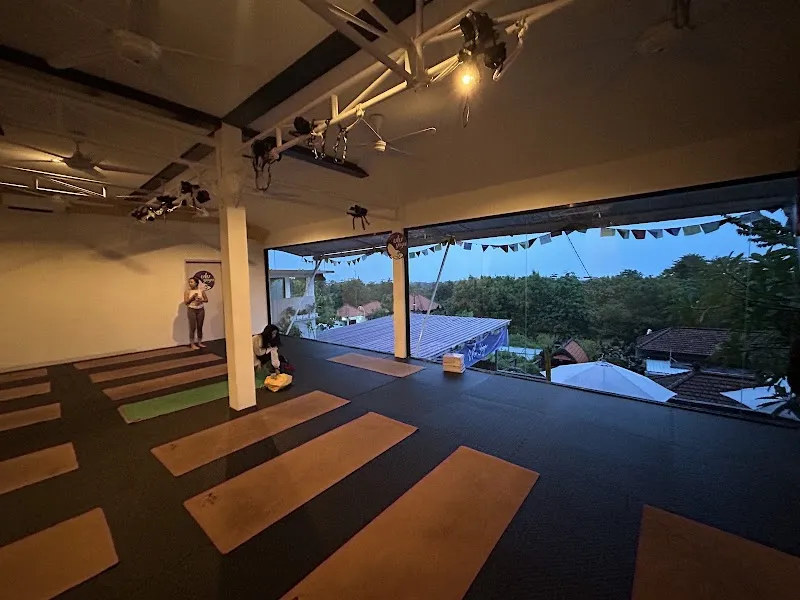
Uluwatu's most comprehensive YTT with 200hr/300hr/500hr across 5 yoga styles. All-inclusive from USD 2,199 including accommodation, meals, sauna, and massage. Reviewers praise supportive teachers.
Uluwatu's most comprehensive YTT with 200hr/300hr/500hr across 5 yoga styles. All-inclusive from USD 2,199 including accommodation, meals, sauna, and massage. Reviewers praise supportive teachers.
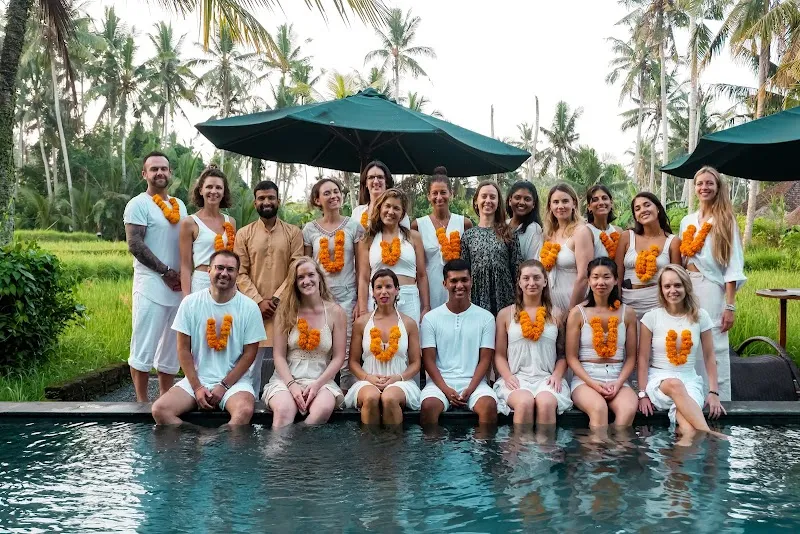
Budget-friendly 200hr from USD 1,899 shared. Full ashram experience with Vinyasa, Ashtanga, and Yin training. Private villas to shared rooms available.
Budget-friendly 200hr from USD 1,899 shared. Full ashram experience with Vinyasa, Ashtanga, and Yin training. Private villas to shared rooms available.
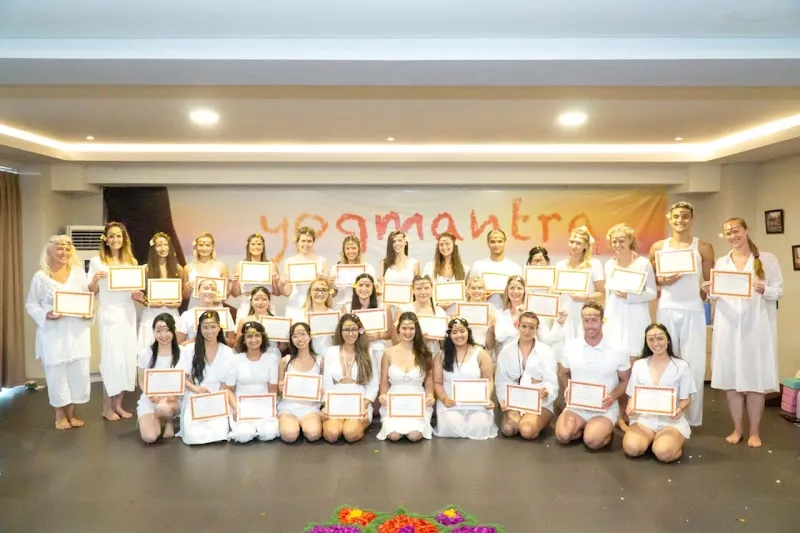
Multi-style training with maximum 14 students, from USD 1,500. Reviewers praise detailed anatomy instruction by teacher Saurav. Includes accommodation with sea-view options and meals.
Multi-style training with maximum 14 students, from USD 1,500. Reviewers praise detailed anatomy instruction by teacher Saurav. Includes accommodation with sea-view options and meals.
The best 10 of 32 Bali yoga schools for 200-Hour YTT, with published prices where available. Data source: school websites. Always confirm current pricing with the school directly before enrolling.
Showing the best 10 of 32 schools. See all 32 schools →
Run a yoga school in Bali? Ask us about being listed on this page
What Is a 200-Hour Yoga Teacher Training?
What Affects 200-Hour YTT Prices in Bali?
Related Articles
Pricing
How Much Does Yoga Teacher Training in Bali Cost? (2026 Prices)
Real pricing data from 28 schools. 200-hour programs from USD 1,500 to USD 4,179. What is included, tier pricing, and how to budget for your Bali YTT.
Read more →Guide
How to Choose a Yoga Teacher Training in Bali: The Complete Guide
What to look for in a Bali YTT school. Yoga Alliance verification, teacher credentials, cohort size, accommodation, and the questions to ask before booking.
Read more →Experience
What to Expect During a 200-Hour YTT in Bali (Daily Schedule, Challenges, Tips)
A realistic day-by-day look at 200-hour yoga teacher training. Wake-up times, practice hours, anatomy lectures, emotional challenges, and how to prepare.
Read more →Frequently Asked Questions
Most 200-hour programs in Bali run 21 to 28 days, with the 21-day format being most common. Training typically runs 6 days per week with one rest day (usually Sunday). Each day involves 6 to 8 hours of structured training: morning meditation and pranayama from 6:00 AM, a 2-hour asana practice, then classroom sessions in anatomy, philosophy, and teaching methodology through the afternoon. Intensive 14 to 18 day formats exist but compress the same hours into longer daily sessions, which student reviews consistently describe as more physically demanding.
Our directory tracks published 200-hour prices at 28 Bali schools, ranging from USD 1,500 to USD 4,179, and lists the 10 best on this page. Four schools publish a 200-hour price under USD 2,000: Yogmantra Bali from USD 1,500 with shared accommodation, Ubud Yoga House from USD 1,550 tuition only, Bali Yoga Ashram from USD 1,899 with a shared room and three meals a day, and Bali Eling Spirit from USD 1,933. Mid-range programs (USD 2,000 to USD 3,000) add more comfortable rooms and wider meal variety. Premium programs above USD 3,500 typically include private accommodation, airport transfers, and cultural excursions alongside training.
Six months of consistent yoga practice is the standard recommendation across Bali schools. You should be comfortable holding sun salutations for 10 rounds, sustaining standing poses like Warrior II for 5 breaths, and sitting cross-legged for 20 minutes (meditation sessions start on day one). You do not need to be flexible or capable of advanced postures. Students consistently report in reviews that the physical challenge comes more from the daily volume (6 to 8 hours of training for 21 consecutive days) than from any single difficult posture.
Ashram-style programs like Bali Yoga Ashram are structured for students with minimal experience, progressing methodically through foundational postures with heavy emphasis on alignment. For experienced practitioners, schools like Radiantly Alive and Alchemy Yoga offer training that assumes a solid practice foundation and moves quickly into advanced sequencing, hands-on adjustments, and teaching methodology. Multi-style programs at schools like Blooming Lotus and Yoga New Vision serve both levels by streaming students into ability-appropriate practice groups while sharing classroom sessions.
After completing your program, the school submits your training hours to Yoga Alliance. You then create an account on yogaalliance.org and apply for RYT-200 status, which costs USD 115 for the first year (USD 65 annual renewal). Registration is optional but recommended: most studios worldwide require it for teaching positions, and it provides professional insurance eligibility, access to continuing education credits, and listing in Yoga Alliance's teacher directory. The entire process takes 1 to 2 weeks after your school submits paperwork.
The majority include shared accommodation and vegetarian meals in the program price. Of the 28 schools with published 200-hour pricing, 25 bundle accommodation. Schools like ADDA Yoga in Canggu offer tiered pricing: USD 2,800 with shared rooms or USD 3,500 with a private room, same curriculum. A few schools (Loka Yoga School at USD 2,000, The Path Wellness Center at USD 2,500) offer tuition-only pricing for students who already have housing in Bali. Always confirm inclusions before comparing prices: a USD 3,500 all-inclusive program may cost less total than a USD 2,500 tuition-only program after adding accommodation and food.
Food quality is the single most-mentioned topic in student reviews across all 32 listings in this directory, with overwhelmingly positive feedback. Most programs serve vegetarian or vegan meals featuring local Balinese ingredients: fresh tropical fruits, tempeh, tofu, rice, and vegetables. Premium programs at schools like Blooming Lotus and Samasti Yoga emphasize organic, locally sourced menus with varied daily options. Budget ashram programs serve simpler but nourishing meals. Students with dietary restrictions (gluten-free, raw, specific allergies) should confirm accommodation with their school before booking, as flexibility varies.
Multi-style programs (the majority in Bali) cover Hatha, Vinyasa, and usually Yin or restorative yoga within the 200 hours, producing well-rounded teachers capable of leading multiple class formats. Style-specific programs dedicate the full 200 hours to one tradition: Ashtanga programs drill the Primary Series and Mysore-style teaching, while Vinyasa programs focus on creative sequencing and flow methodology. Multi-style is the safer choice for new teachers entering a competitive job market. Style-specific is better for experienced practitioners who already know they want to specialize and teach primarily that one style.
Ubud holds 18 of our 32 listings and the widest price range, USD 1,500 to USD 4,179 across the 17 of them that publish a 200-hour price, suiting every budget and style preference. Its rice-paddy setting and Hindu-Balinese cultural immersion make it the most popular choice for students seeking a contemplative training environment. Canggu (6 listings, 5 of them priced from USD 2,000 to USD 3,690) attracts students who want rigorous training alongside beach access, surf culture, and a younger social scene. Uluwatu (4 listings) offers the most intimate experience with smaller cohorts and clifftop settings, ideal for students who prioritize personal attention and seclusion over variety and nightlife.
Not realistically during the training itself. Programs run 6 to 8 hours daily for 21 to 28 consecutive days, and student reviews consistently describe the experience as mentally and physically exhausting by week two. You will have evenings free (most programs end by 6:00 to 7:00 PM) and one rest day per week, but those are needed for recovery, journaling, and integration of the material. If remote work is unavoidable, consider a Canggu program where coworking spaces are nearby for rest-day catch-up, and communicate your constraints to the school before enrolling.
Ready to Compare Schools?
Browse all 32+ schools side by side.