Yoga Teacher Training in Uluwatu, Bali
Updated
Clifftop practice with ocean views. Intimate, premium training experiences.
4 schools in Uluwatu
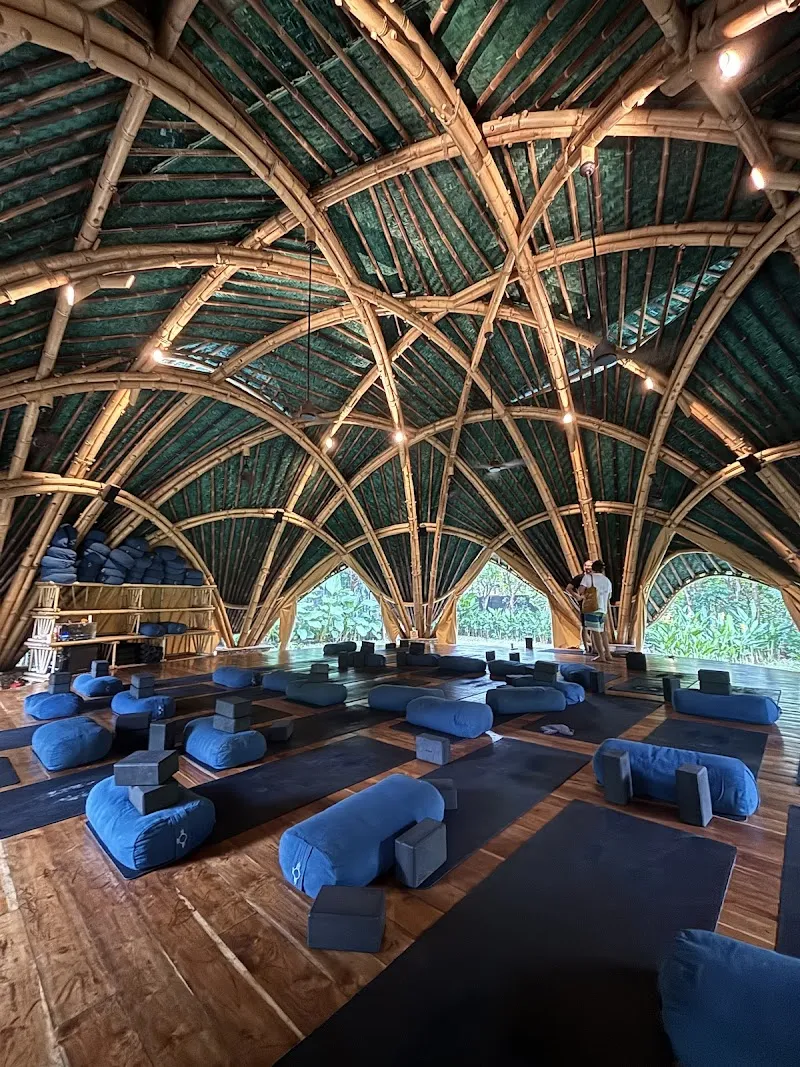
Alchemy Yoga and Meditation Center Uluwatu
Uluwatu · yin
Alchemy Yoga's clifftop Uluwatu campus. Same spiritually deep curriculum as the Ubud location, set against ocean panoramas on the Bukit Peninsula.
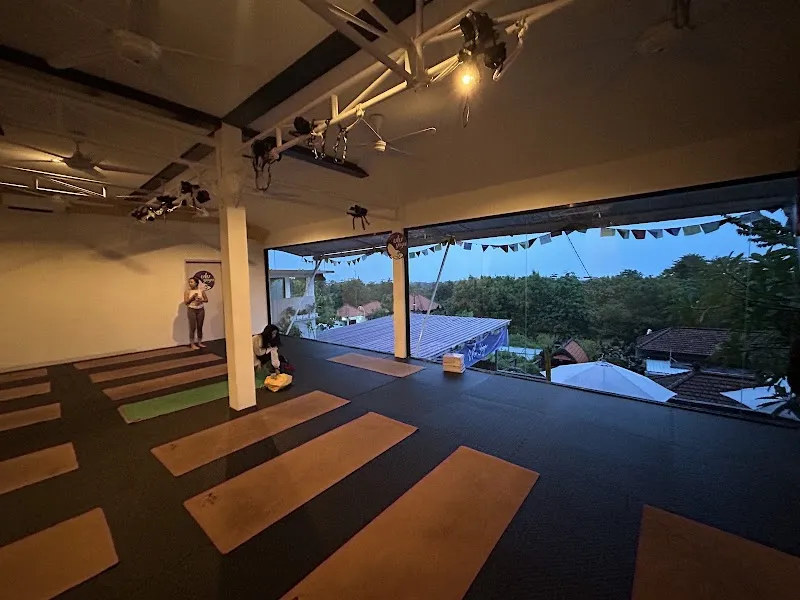
Ulu Yoga Bali
Uluwatu · vinyasa
Uluwatu's most comprehensive YTT with 200hr/300hr/500hr across 5 yoga styles. All-inclusive from USD 2,199 including accommodation, meals, sauna, and massage. Reviewers praise supportive teachers.
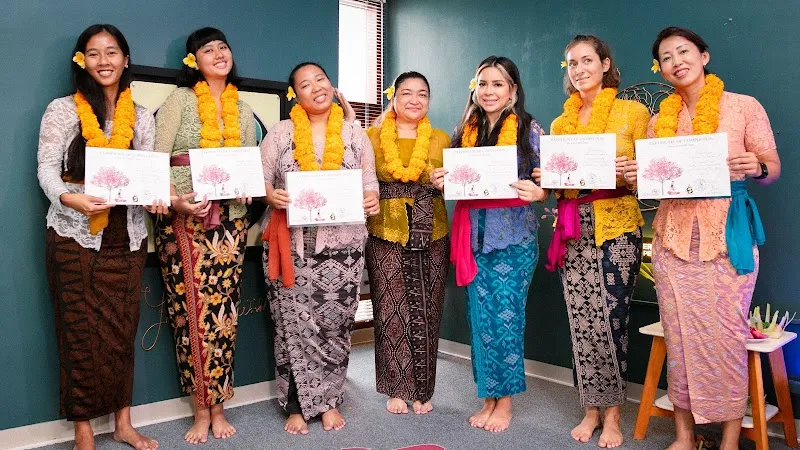
Yin Yoga World
Uluwatu · hatha
Bali's dedicated Yin Yoga specialist. Maximum 6 students per cohort. Dedicated RYS-200 and RYS-300 Yin certifications on the Bukit Peninsula.
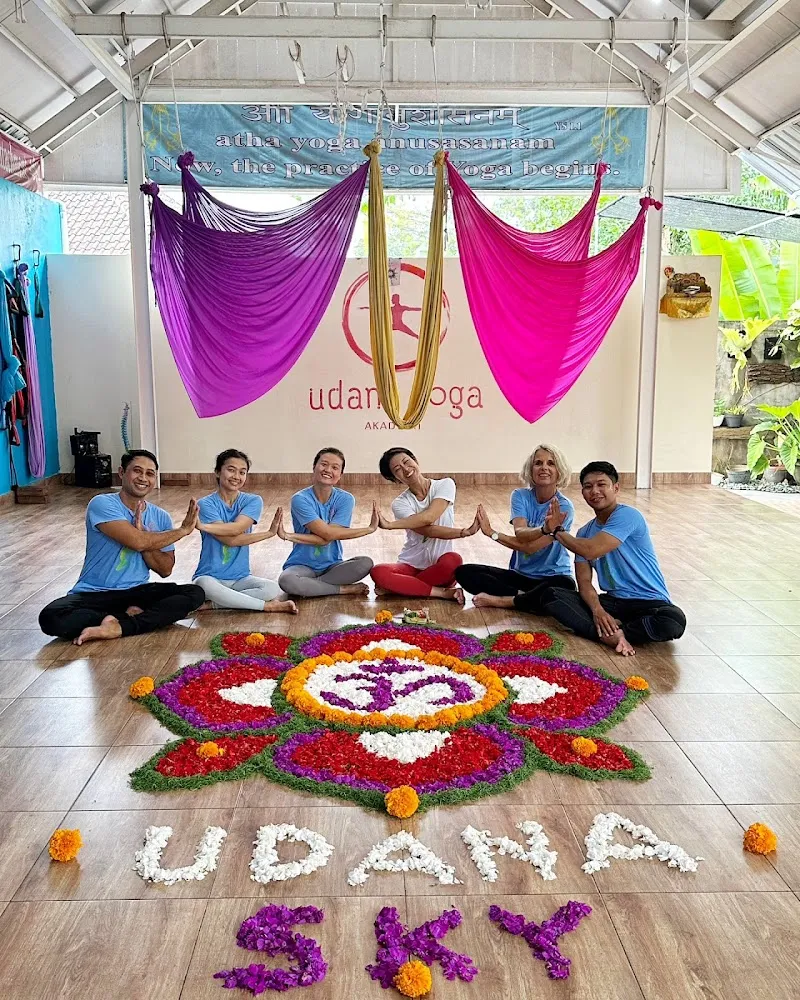
Udana Yoga
Uluwatu · yin
Uluwatu school teaching from Jimbaran, with a Vinyasa and Yin focus under Balinese teacher Pak Putu. Intimate cohorts emphasizing spiritual practice and community connection.
What to Expect in Uluwatu
Uluwatu offers the most intimate and visually dramatic YTT experience in Bali. Four schools operate in the greater Bukit Peninsula area, including Uluwatu, Ungasan, and Jimbaran. Training takes place against a backdrop of limestone cliffs, Indian Ocean panoramas, and smaller cohort sizes (typically 8 to 15 students) that create a distinctly personalized learning environment. Uluwatu YTTs tend toward premium positioning: higher-end accommodation, more individual teacher attention, and a quieter, more secluded atmosphere than either Ubud or Canggu. Alchemy Yoga's Uluwatu location (lead teacher Johanna) and Ulu Yoga (USD 2,199 for both 200-hour and 300-hour programs) anchor the area's offerings, with Yin Yoga World providing dedicated Yin specialization and Udana Yoga (lead teacher Putu) rounding out the selection. The area attracts serious students who prioritize depth of practice and teacher connection over social scene or budget considerations.
Popular Programs in Uluwatu
Alchemy Yoga's Uluwatu location and Ulu Yoga are the anchor schools, both offering comprehensive multi-style programs covering 200-hour, 300-hour, and 500-hour certifications. Yin Yoga World brings the most specialized focus in this directory, taking advantage of Uluwatu's contemplative clifftop atmosphere to deliver dedicated Yin teacher training that few other Bali locations could match in environment. Udana Yoga rounds out the offering with Vinyasa and Yin programs under Balinese lead teacher Putu. The smaller school count means fewer style options than Ubud, but each school compensates with depth: cohorts of 8 to 15 students, more one-on-one adjustment practice with teachers, and training environments designed specifically for focused practice. Ulu Yoga's pricing (USD 2,199 for both 200-hour and 300-hour) makes Uluwatu surprisingly accessible despite its premium positioning.
Tips for Visitors to Uluwatu
Uluwatu is more remote than Ubud or Canggu. You will need a scooter for any independent exploration, and the roads on the Bukit Peninsula are steep and winding. Choose a program with included accommodation to simplify logistics. The nearest restaurants and cafes are sparser than in Ubud or Canggu, so meal inclusions matter more here. The reward is the environment: clifftop sunsets, uncrowded beaches, and a sense of seclusion that helps you focus entirely on training. Padang Padang Beach, Uluwatu Temple, and the famous Kecak dance at sunset are memorable rest-day activities. The airport is closer to Uluwatu (30 to 45 minutes) than to either Ubud or central Canggu.
Frequently Asked Questions about Uluwatu
This directory lists 4 RYS-certified schools: Alchemy Yoga Uluwatu (lead teacher Johanna, offering 200-hour, 300-hour, and 500-hour programs), Ulu Yoga Bali (USD 2,199 for both 200-hour and 300-hour, one of the most affordable options in this area), Yin Yoga World (the most specialized Yin school in Bali, with dedicated RYS certifications), and Udana Yoga (lead teacher Putu, offering Vinyasa and Yin programs). While the selection is smaller than Ubud's 22 or Canggu's 7, each school has carved a clear identity and maintains the small cohort sizes (8 to 15 students) that define the Uluwatu training experience.
Not necessarily. Ulu Yoga offers 200-hour and 300-hour programs at USD 2,199 each, which is mid-range compared to Ubud's USD 1,500 to USD 4,179 spread. The overall Uluwatu experience tends to feel more premium because accommodation quality is generally higher, cohort sizes are smaller (creating a more retreat-like atmosphere), and the clifftop setting adds perceived value. Some Uluwatu programs are competitively priced with mid-range Ubud equivalents while offering more individualized attention. The main cost difference comes from independent spending: restaurants and transport in the Bukit area cost slightly more due to the area's relative remoteness.
A scooter is strongly recommended for any independent exploration. Uluwatu is spread across the Bukit Peninsula with minimal public transport and no Grab availability in many areas. Roads are steep, winding, and narrower than Canggu or Ubud main roads, so confidence on a scooter matters. Rental costs are similar to other areas (IDR 60,000 to IDR 80,000 per day). If you are not comfortable riding, choose a program with all-inclusive accommodation and meals so you do not need to leave the school campus during training weeks. Most schools can arrange scooter rental and will advise on the safest routes.
Uluwatu trades Ubud's rice-paddy spirituality and temple-ceremony immersion for raw ocean energy, clifftop panoramas, and physical isolation. Where Ubud wraps you in Hindu-Balinese cultural density (daily offerings, gamelan music, ceremony processions), Uluwatu offers wide-horizon ocean views, dramatic sunsets from cliff edges, and a quieter, less populated environment. The spiritual dimension is different, not lesser: students describe the ocean's constant presence and the exposed, elevated landscape as grounding in a way that Ubud's enclosed jungle-valley setting is not. Uluwatu suits students who find clarity in openness and space rather than density and enclosure.
On rest days, yes, but Uluwatu surf breaks are significantly more advanced than Canggu's beginner-friendly waves. Uluwatu's main reef break is a powerful left-hander suited to intermediate and advanced surfers. Padang Padang and Bingin nearby offer varied conditions. If you are a beginner surfer, Uluwatu is not the place to learn: the reef, currents, and wave power require experience. For intermediate to advanced surfers, combining rest-day sessions at world-class breaks with daily yoga practice is a compelling combination. Some schools offer surf-and-yoga activities, but verify the level expectation before booking.
Uluwatu is the closest major YTT area to Ngurah Rai International Airport: approximately 20 to 30 km, taking 30 to 45 minutes by car. This compares favorably to Canggu (45 to 75 minutes) and Ubud (60 to 90 minutes). The shorter transfer is a practical advantage, especially for late-night arrivals and early-morning departures. Most Uluwatu schools arrange airport pickup, and the route is straightforward along the Bali Mandara toll road and Bukit Peninsula highway. The proximity also makes Uluwatu convenient for students arriving from domestic Indonesian flights or connecting from other Southeast Asian hubs.
Uluwatu suits first-time YTT students who value intimate learning environments and strong personal connection with their teachers. The small cohort sizes (8 to 15 students) mean significantly more individual feedback on alignment, teaching practice, and personal development than larger Ubud programs where cohorts can reach 25 to 30. The trade-off is fewer social options and a more isolated setting that some first-time students find limiting. If you are someone who learns best with close teacher relationships and prefers quality of attention over variety of peers, Uluwatu is an excellent first-time choice. If you want a bustling community of fellow students and abundant dining and social options, Ubud or Canggu serve that better.
Uluwatu is warmer and drier than Ubud, with direct sun exposure and consistent ocean breezes that moderate the tropical heat. Mornings (6:00 to 8:00 AM) are comfortable for outdoor practice at 25 to 28 degrees Celsius. Midday temperatures reach 32 to 34 degrees, making indoor or shaded practice spaces important for afternoon sessions. The ocean breeze is a notable advantage: clifftop and elevated shalas benefit from natural ventilation that reduces the stuffiness common in Ubud's enclosed jungle-valley settings. Bring high-SPF sunscreen, a hat for outdoor activities, and stay hydrated; the combination of physical training and sun exposure accelerates dehydration.
Meal inclusions matter significantly more in Uluwatu than in Ubud or Canggu. The Bukit Peninsula has a growing but still sparse cafe and restaurant scene compared to Ubud's hundreds of options or Canggu's dense food strip. Clusters of cafes around Bingin, Balangan, and the Uluwatu area cater to surfers and tourists, but they are not always within walking distance of schools. Programs that include three daily meals eliminate the logistical challenge of finding food during intensive training days. Rest-day dining is better: several clifftop restaurants offer memorable sunset dining experiences, and the Jimbaran seafood market (20 minutes south) is a popular student outing.
Uluwatu is the quietest of the three main YTT areas by a considerable margin. The relative isolation from Bali's tourist corridors, lower population density, and absence of nightlife create a training environment where ambient noise is predominantly natural: ocean waves, birdsong, wind through coastal vegetation. This matters more than students initially expect: meditation practice, pranayama, and Yin posture holds are all enhanced by a quiet environment. Yin Yoga World specifically chose Uluwatu for its dedicated Yin programs because the contemplative atmosphere supports the long-held, introspective nature of Yin practice. Students sensitive to noise or distraction consistently rate Uluwatu's environment as a significant advantage over busier areas.
Schools in Other Areas
Still weighing up Uluwatu against the rest of the island? Our guide to where to do your YTT in Bali compares Ubud, Canggu and Uluwatu on the vibe of each area, what programs there typically cost, and how many schools you have to choose from.