The 10 Best Vinyasa YTT Schools in Bali (2026)
Chosen from 32 schools.
Updated
Flow-based training focused on breath-synchronized movement. The most popular yoga style.
Vinyasa yoga teacher training in Bali is offered at 20+ schools with 265 mentions of Vinyasa across student reviews, making it the most widely practiced and discussed YTT style on the island. Programs teach breath-synchronized flow sequences, creative sequencing methodology, and dynamic teaching skills for the most in-demand yoga format at Western studios worldwide.
The cheapest vinyasa ytt among the 10 schools listed here starts at USD $3,150 at All Yoga Training Bali.
Cheapest of the 10
USD $3,150
Average of the 10
USD $3,150
Most Expensive of the 10
USD $3,150
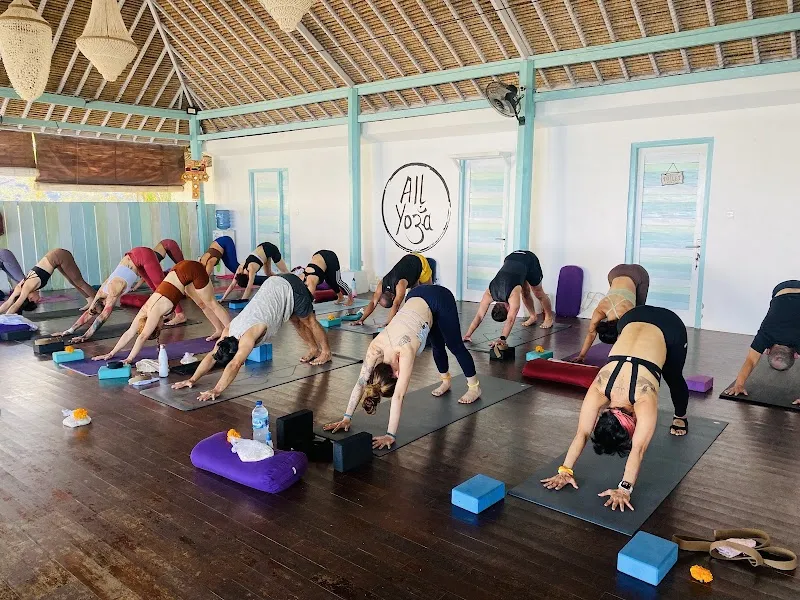
1.All Yoga Training Bali
Editor's PickIsland setting on Nusa Lembongan. Multi-style 200hr and 300hr training in Vinyasa, Ashtanga, Yin, and Rocket yoga. First 10 sign-ups get free accommodation.
1.All Yoga Training Bali
Editor's PickIsland setting on Nusa Lembongan. Multi-style 200hr and 300hr training in Vinyasa, Ashtanga, Yin, and Rocket yoga. First 10 sign-ups get free accommodation.
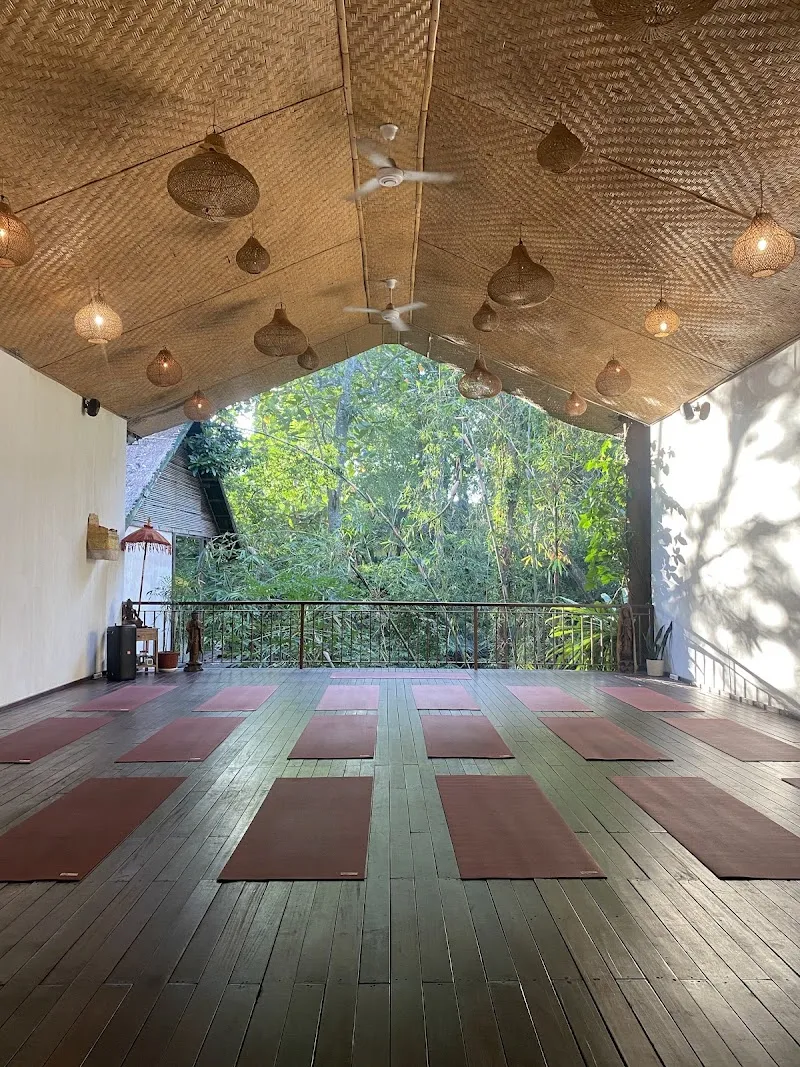
One of the most-reviewed yoga spaces in Bali. Vinyasa-rooted 200hr and 300hr programs in central Ubud. Reviewers praise lead teacher Zara for clear, accessible instruction.
One of the most-reviewed yoga spaces in Bali. Vinyasa-rooted 200hr and 300hr programs in central Ubud. Reviewers praise lead teacher Zara for clear, accessible instruction.
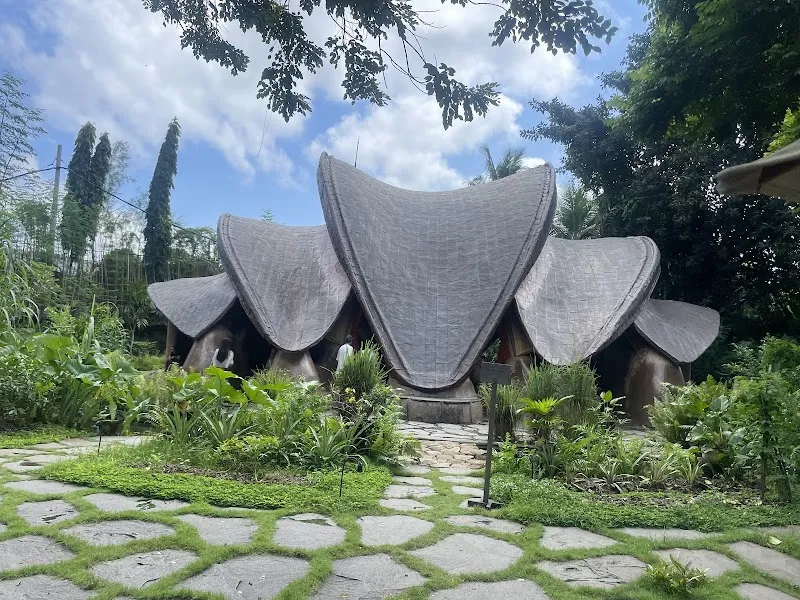
Jungle-edge shala in Penestanan. Known for spiritually deep training that emphasizes meditation and philosophy alongside asana. Reviewers highlight the value-for-money and transformative atmosphere.
Jungle-edge shala in Penestanan. Known for spiritually deep training that emphasizes meditation and philosophy alongside asana. Reviewers highlight the value-for-money and transformative atmosphere.
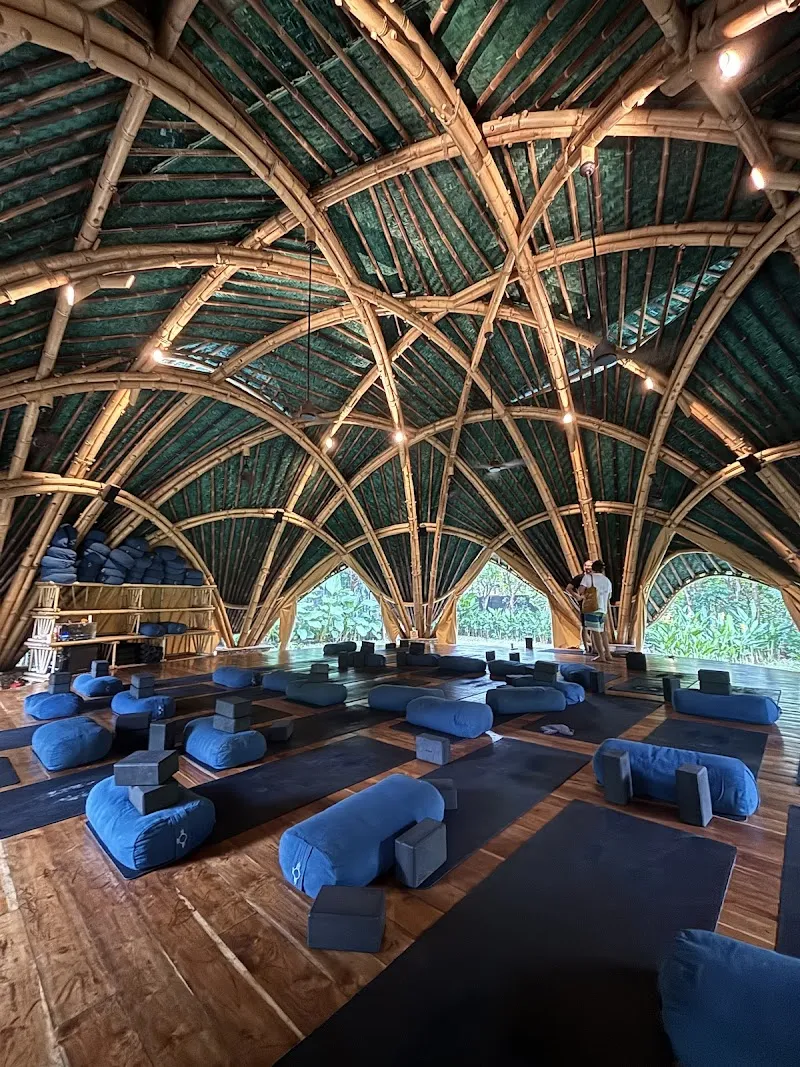
Alchemy Yoga's clifftop Uluwatu campus. Same spiritually deep curriculum as the Ubud location, set against ocean panoramas on the Bukit Peninsula.
Alchemy Yoga's clifftop Uluwatu campus. Same spiritually deep curriculum as the Ubud location, set against ocean panoramas on the Bukit Peninsula.
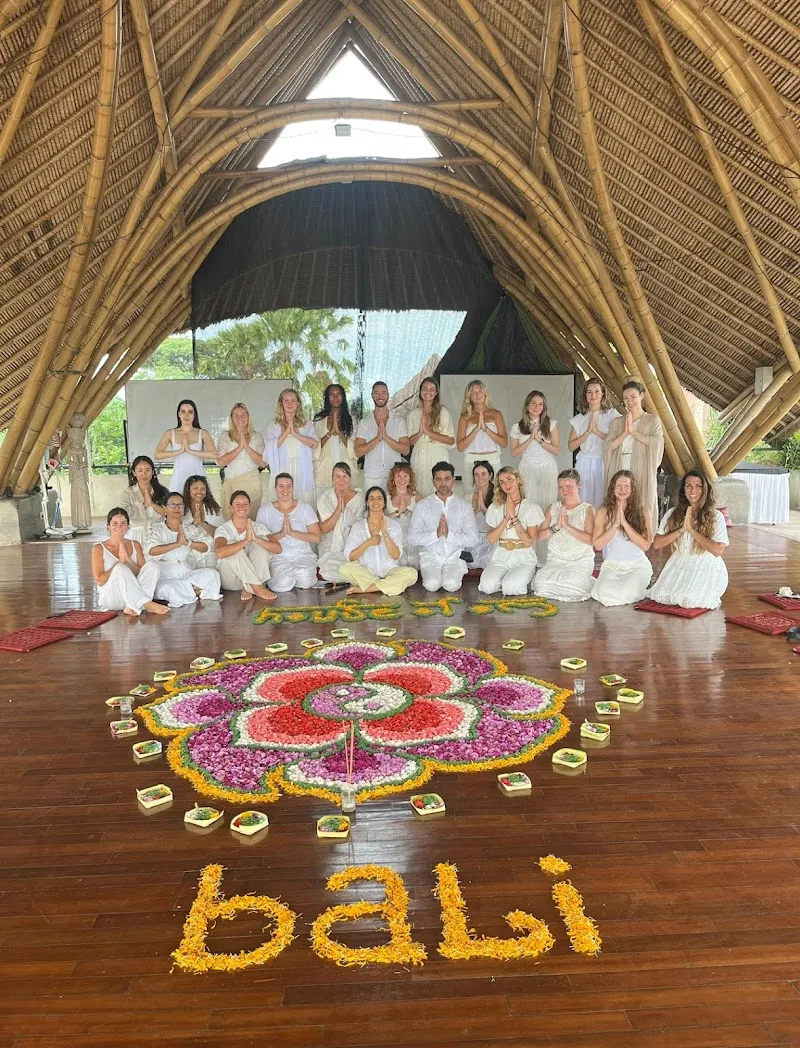
House of Om's flagship Ubud campus. Full 200hr, 300hr and 500hr Yoga Alliance certified programs. Reviewers praise the food, the setting and the organization of the training.
House of Om's flagship Ubud campus. Full 200hr, 300hr and 500hr Yoga Alliance certified programs. Reviewers praise the food, the setting and the organization of the training.
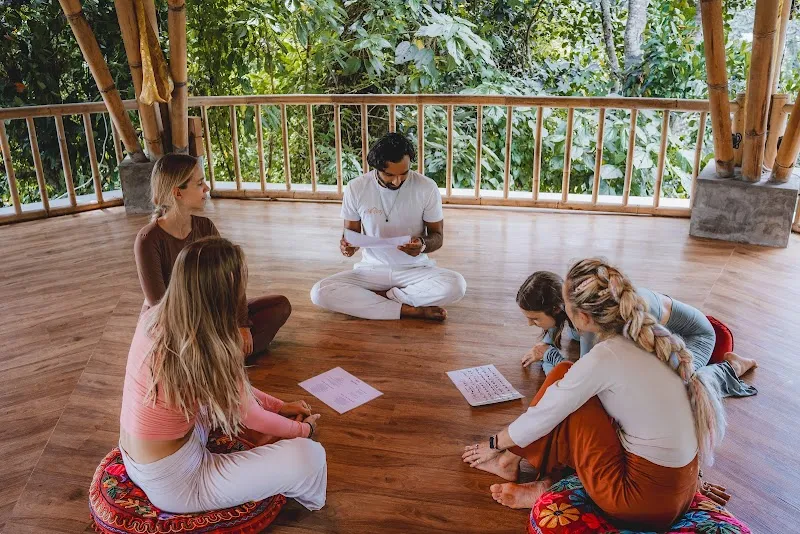
House of Om's retreat-style campus in the Ubud hills. Reviewers praise exceptional food, rice terrace views, and an immersive training atmosphere. Full 200hr/300hr/500hr programs.
House of Om's retreat-style campus in the Ubud hills. Reviewers praise exceptional food, rice terrace views, and an immersive training atmosphere. Full 200hr/300hr/500hr programs.
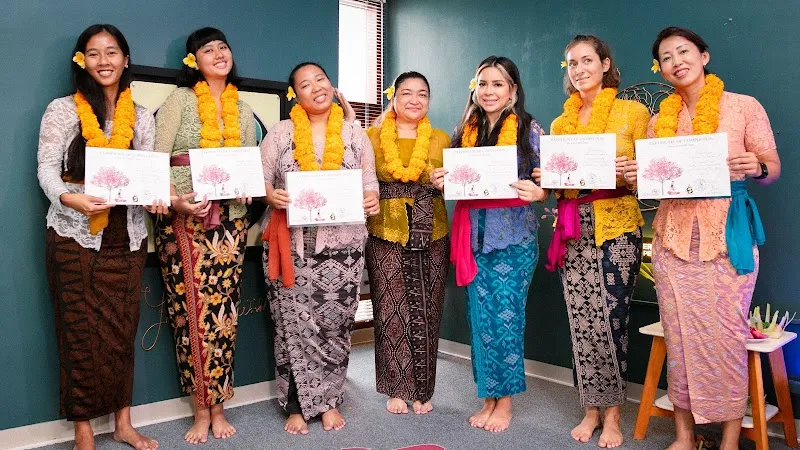
Bali's dedicated Yin Yoga specialist. Maximum 6 students per cohort. Dedicated RYS-200 and RYS-300 Yin certifications on the Bukit Peninsula.
Bali's dedicated Yin Yoga specialist. Maximum 6 students per cohort. Dedicated RYS-200 and RYS-300 Yin certifications on the Bukit Peninsula.
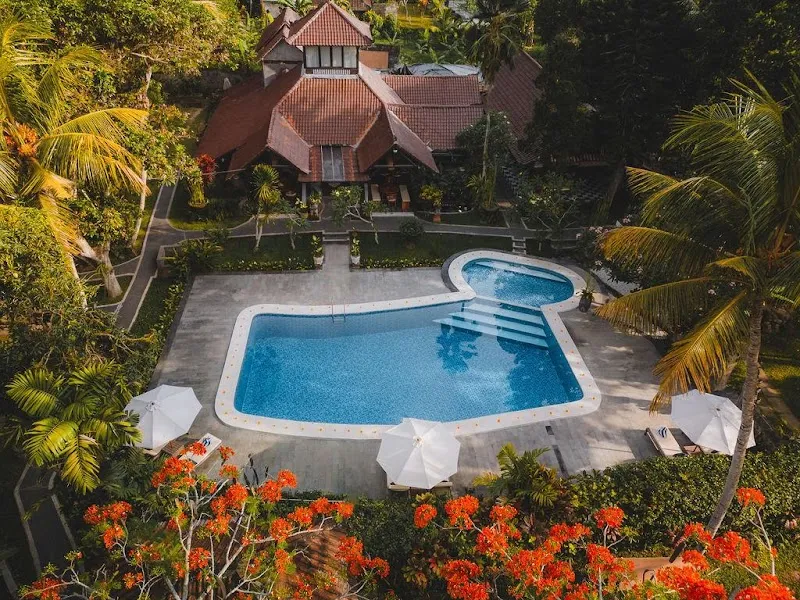
The original House of Om campus in Ubud's Melati area. Reviewers praise outstanding food, comfortable rooms, and well-organized 200hr/300hr/500hr certification programs.
The original House of Om campus in Ubud's Melati area. Reviewers praise outstanding food, comfortable rooms, and well-organized 200hr/300hr/500hr certification programs.
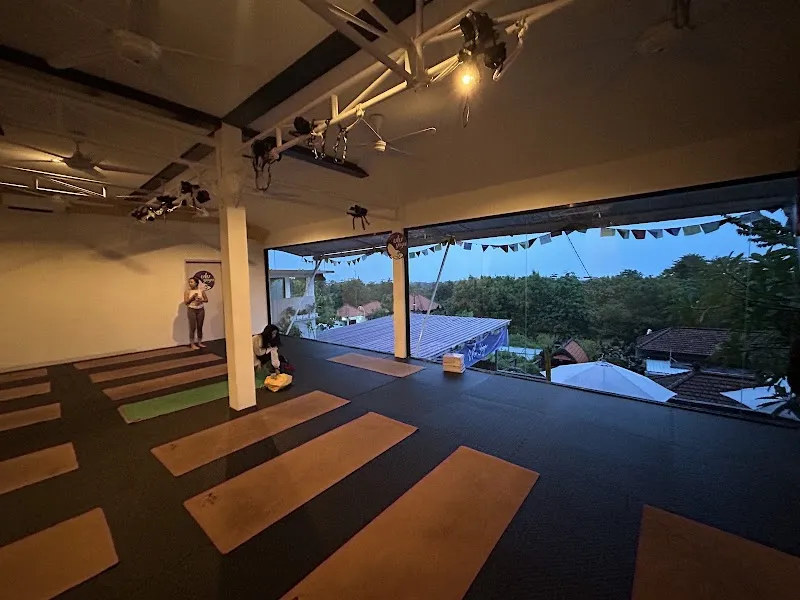
Uluwatu's most comprehensive YTT with 200hr/300hr/500hr across 5 yoga styles. All-inclusive from USD 2,199 including accommodation, meals, sauna, and massage. Reviewers praise supportive teachers.
Uluwatu's most comprehensive YTT with 200hr/300hr/500hr across 5 yoga styles. All-inclusive from USD 2,199 including accommodation, meals, sauna, and massage. Reviewers praise supportive teachers.
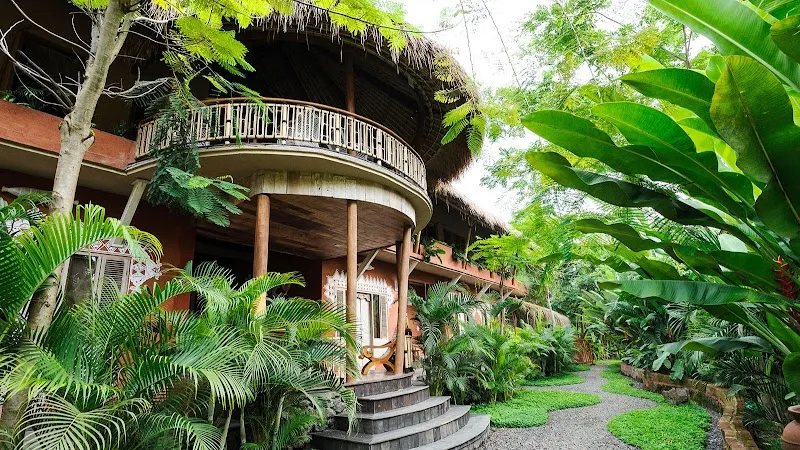
Ubud's most iconic yoga venue hosting 5+ RYS-certified training programs. Internationally recognized teachers including Ana Forrest and Tara Judelle. Multi-shala complex with daily classes, restaurant, and healing center.
Ubud's most iconic yoga venue hosting 5+ RYS-certified training programs. Internationally recognized teachers including Ana Forrest and Tara Judelle. Multi-shala complex with daily classes, restaurant, and healing center.
The best 10 of 32 Bali yoga schools for Vinyasa YTT, with published prices where available. Data source: school websites. Always confirm current pricing with the school directly before enrolling.
Showing the best 10 of 32 schools. See all 32 schools →
Run a yoga school in Bali? Ask us about being listed on this page
What Is Vinyasa Yoga Teacher Training?
What Makes a Good Vinyasa Teacher Training?
Related Articles
Styles
Vinyasa vs Ashtanga vs Yin: Choosing Your Yoga Teacher Training Style
Compare the three most popular YTT styles in Bali. Physical demands, teaching opportunities, and which style matches your goals and personality.
Read more →Guide
How to Choose a Yoga Teacher Training in Bali: The Complete Guide
What to look for in a Bali YTT school. Yoga Alliance verification, teacher credentials, cohort size, accommodation, and the questions to ask before booking.
Read more →Experience
What to Expect During a 200-Hour YTT in Bali (Daily Schedule, Challenges, Tips)
A realistic day-by-day look at 200-hour yoga teacher training. Wake-up times, practice hours, anatomy lectures, emotional challenges, and how to prepare.
Read more →Frequently Asked Questions
A Vinyasa-focused 200-hour dedicates the majority of asana practice hours to flow-based methodology: creative sequencing, peak-pose class design, transition technique, music integration, and dynamic cueing. A multi-style program might allocate 40 to 50 percent of practice hours to Vinyasa alongside Hatha, Yin, and other styles. For aspiring studio teachers in Western markets where Vinyasa classes dominate the schedule, a Vinyasa-focused program provides deeper skill development in the exact format you will teach most. Multi-style gives broader versatility at the cost of Vinyasa-specific depth.
In Western markets (Australia, North America, Europe), Vinyasa is the most requested class format, so Vinyasa-trained teachers have the widest range of immediate employment options. With 265 mentions across student reviews in Bali alone, it is clearly the dominant practice style. However, studios increasingly value teachers who can offer multiple formats. A Vinyasa-focused 200-hour combined with a future Yin specialty certification creates an especially employable combination: energetic classes for peak hours and contemplative classes for evening slots.
Vinyasa YTTs are the most physically demanding common training format alongside Ashtanga. You will practice 2 to 3 hours of flow-based asana daily, which involves repeated chaturangas (yoga push-ups), arm balances, inversions, and sustained dynamic movement. By week two, wrist fatigue and shoulder soreness are common. Schools that integrate Yin or restorative sessions as counterbalance (most Bali programs do) help manage cumulative physical stress. Arriving with a consistent 3 to 4 day weekly Vinyasa practice over at least 3 months significantly reduces injury risk during training.
ADDA Yoga Canggu (USD 2,800 shared, USD 3,500 private) has built its reputation around contemporary Vinyasa instruction with lead teacher Anastacia focusing on sound healing integration alongside flow methodology. Loka Yoga School (USD 2,000 tuition-only, USD 3,500 with accommodation) offers a well-reviewed multi-style program with strong Vinyasa components. Joga Yoga (USD 2,090 shared) brings a more traditional approach to flow teaching. The Canggu area's younger, surf-oriented demographic naturally gravitates toward the energetic, creative nature of Vinyasa practice.
Some do, but it is not universal. Schools that emphasize the creative and experiential aspects of Vinyasa teaching often include modules on building playlists that support the energetic arc of a class (building from quiet opening to dynamic peak to calm savasana). Others take a more traditional approach and discourage music during practice entirely. If music integration is important to your teaching vision, ask schools directly about this component before enrolling. Student reviews occasionally mention music-enhanced classes as a highlight, particularly at more contemporary Canggu schools.
Peak-pose sequencing is the methodology of designing a Vinyasa class that progressively prepares the body for a challenging posture (the peak pose), reaches it at the class's energetic high point, then systematically cools down with counter-poses. It is the fundamental architecture of intelligent flow teaching. For example, a class peaking at Wheel Pose (Urdhva Dhanurasana) would open with shoulder and hip openers, build through backbends of increasing intensity, reach Wheel at the 45-minute mark, then counter with forward folds and twists. Schools that teach this methodology produce teachers who can create safe, purposeful classes rather than random pose sequences.
Your Yoga Alliance RYT-200 certification qualifies you to teach any yoga style regardless of your training focus. Practically, however, teaching Yin or Restorative effectively requires understanding of fascial anatomy, meridian theory, and the therapeutic principles of long-held postures that a Vinyasa-focused program covers only briefly. Most Bali Vinyasa programs include 10 to 20 hours of Yin or restorative content as complementary training, which provides a foundation. For confident Yin teaching, a dedicated Yin specialty module (50 to 100 additional hours) is recommended.
Ubud Vinyasa programs tend to integrate flow practice within a broader philosophical and spiritual framework. Schools like Radiantly Alive and Alchemy Yoga weave meditation, breathwork, and Hindu-Balinese cultural context into Vinyasa training, producing teachers with depth beyond physical sequencing. Canggu programs lean toward the contemporary, fitness-oriented end of Vinyasa: creative flow design, music integration, and the practical skills needed to teach packed studio classes. Neither approach is better; they reflect different teaching philosophies and career paths. Ubud suits teachers heading toward retreat and workshop facilitation. Canggu suits studio-focused careers.
Power Yoga is a fitness-oriented subset of Vinyasa developed in the 1990s, emphasizing strength, sweat, and cardiovascular intensity. Traditional Vinyasa maintains a stronger connection to breath awareness and meditative flow. Some programs cover both, while others focus on classical Vinyasa and leave Power Yoga methodology out. The distinction matters for career planning: gyms and fitness studios tend to hire Power Yoga teachers, while yoga-specific studios prefer teachers trained in the traditional Vinyasa approach. Check individual school curricula for their position on the Vinyasa-Power spectrum.
200 hours provides the certification and foundational skills to teach Vinyasa classes competently. Confidence comes from teaching experience after graduation, not additional training hours. Student reviews from 300-hour programs consistently note that the real value of advanced training was reflecting on challenges they encountered in their first 6 to 12 months of actual teaching. The recommended path: complete 200 hours, teach actively for at least a year, identify your specific skill gaps, then return for a targeted 300-hour program that addresses those gaps. Stacking certifications without teaching in between produces knowledgeable students, not confident teachers.
Ready to Compare Schools?
Browse all 32+ schools side by side.