The 10 Best 500-Hour YTT Schools in Bali (2026)
Chosen from 32 schools, prices compared.
Updated
Combined 200+300 hour programs. The most comprehensive YTT certification.
A 500-hour yoga teacher training in Bali combines foundational and advanced certification in one extended program, with 8 schools offering this comprehensive path. Published pricing starts at USD 4,000 for combined 500-hour packages, qualifying graduates directly for Yoga Alliance RYT-500 registration without needing separate 200-hour and 300-hour certifications.
The cheapest 500-hour ytt among the 10 schools listed here starts at USD $4,000 at Ulu Yoga Bali.
Cheapest of the 10
USD $4,000
Average of the 10
USD $4,250
Most Expensive of the 10
USD $4,499
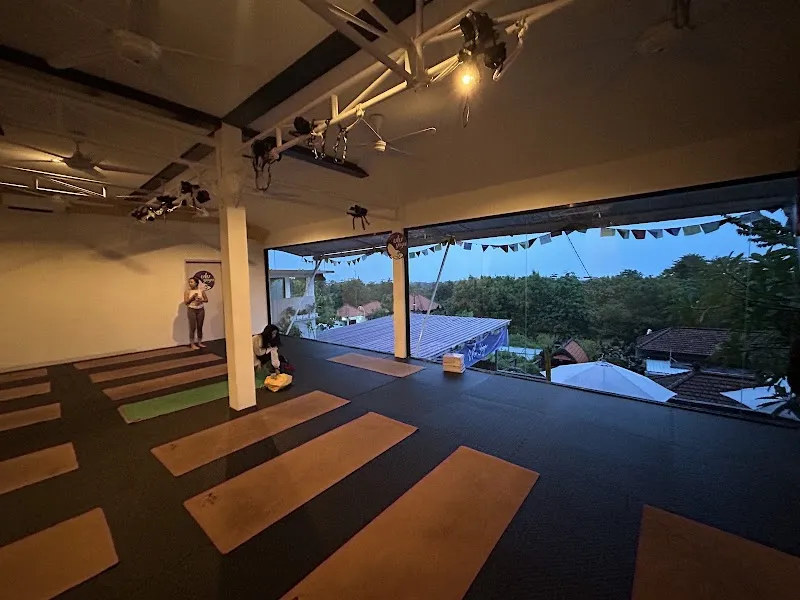
Uluwatu's most comprehensive YTT with 200hr/300hr/500hr across 5 yoga styles. All-inclusive from USD 2,199 including accommodation, meals, sauna, and massage. Reviewers praise supportive teachers.
Uluwatu's most comprehensive YTT with 200hr/300hr/500hr across 5 yoga styles. All-inclusive from USD 2,199 including accommodation, meals, sauna, and massage. Reviewers praise supportive teachers.
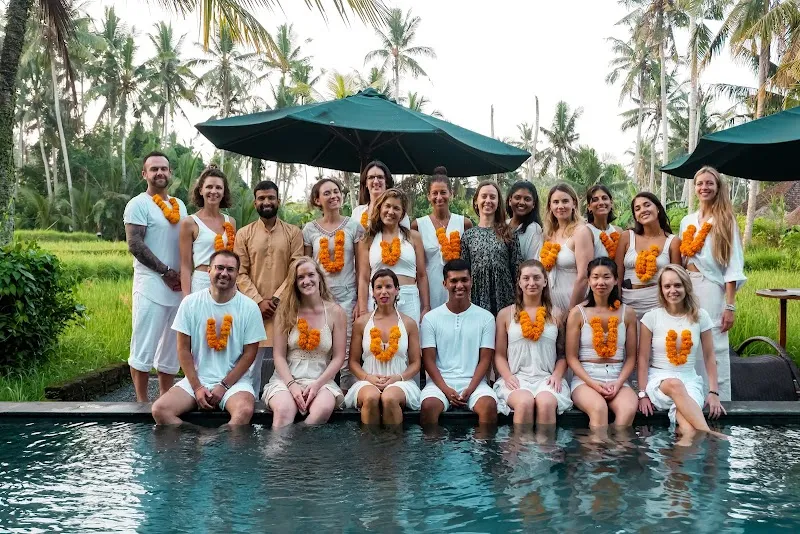
Budget-friendly 200hr from USD 1,899 shared. Full ashram experience with Vinyasa, Ashtanga, and Yin training. Private villas to shared rooms available.
Budget-friendly 200hr from USD 1,899 shared. Full ashram experience with Vinyasa, Ashtanga, and Yin training. Private villas to shared rooms available.
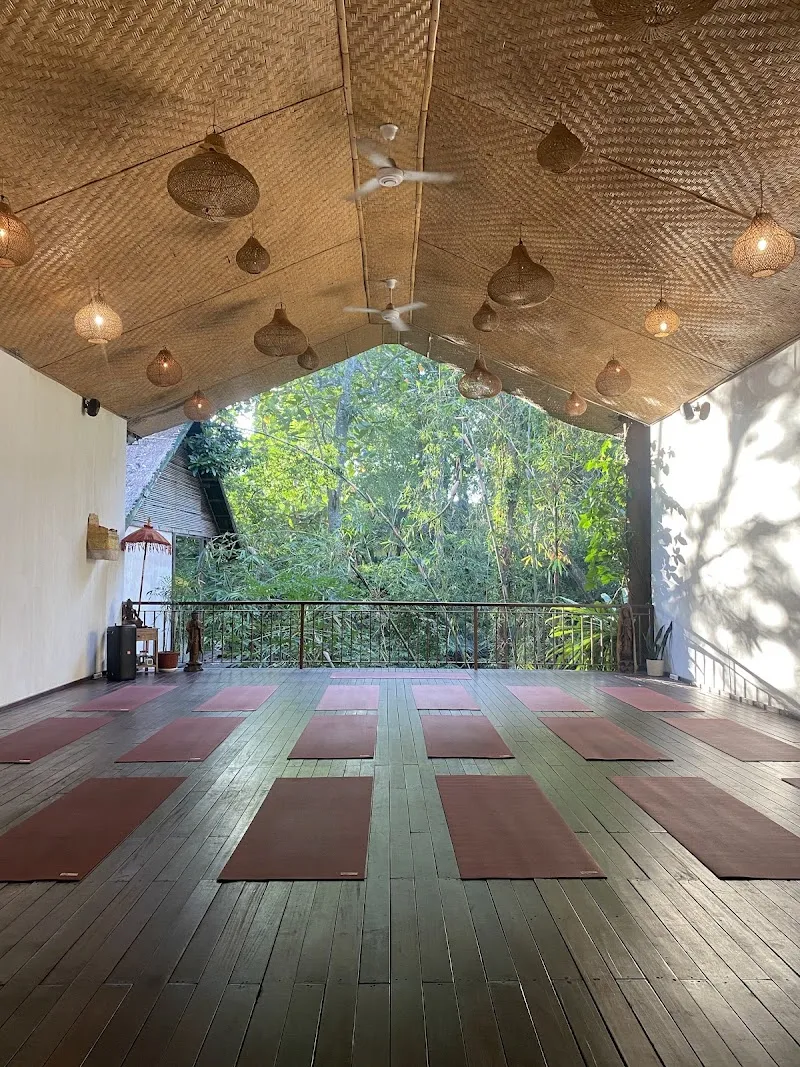
One of the most-reviewed yoga spaces in Bali. Vinyasa-rooted 200hr and 300hr programs in central Ubud. Reviewers praise lead teacher Zara for clear, accessible instruction.
One of the most-reviewed yoga spaces in Bali. Vinyasa-rooted 200hr and 300hr programs in central Ubud. Reviewers praise lead teacher Zara for clear, accessible instruction.
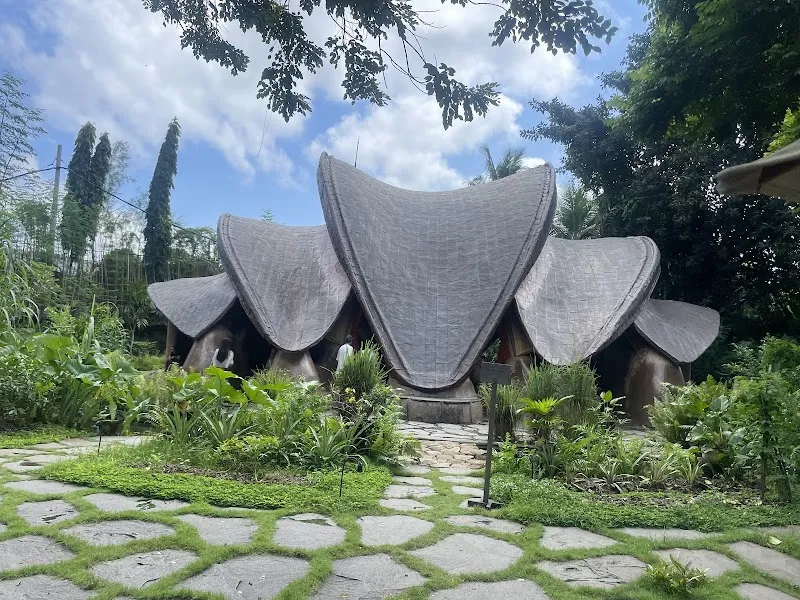
Jungle-edge shala in Penestanan. Known for spiritually deep training that emphasizes meditation and philosophy alongside asana. Reviewers highlight the value-for-money and transformative atmosphere.
Jungle-edge shala in Penestanan. Known for spiritually deep training that emphasizes meditation and philosophy alongside asana. Reviewers highlight the value-for-money and transformative atmosphere.
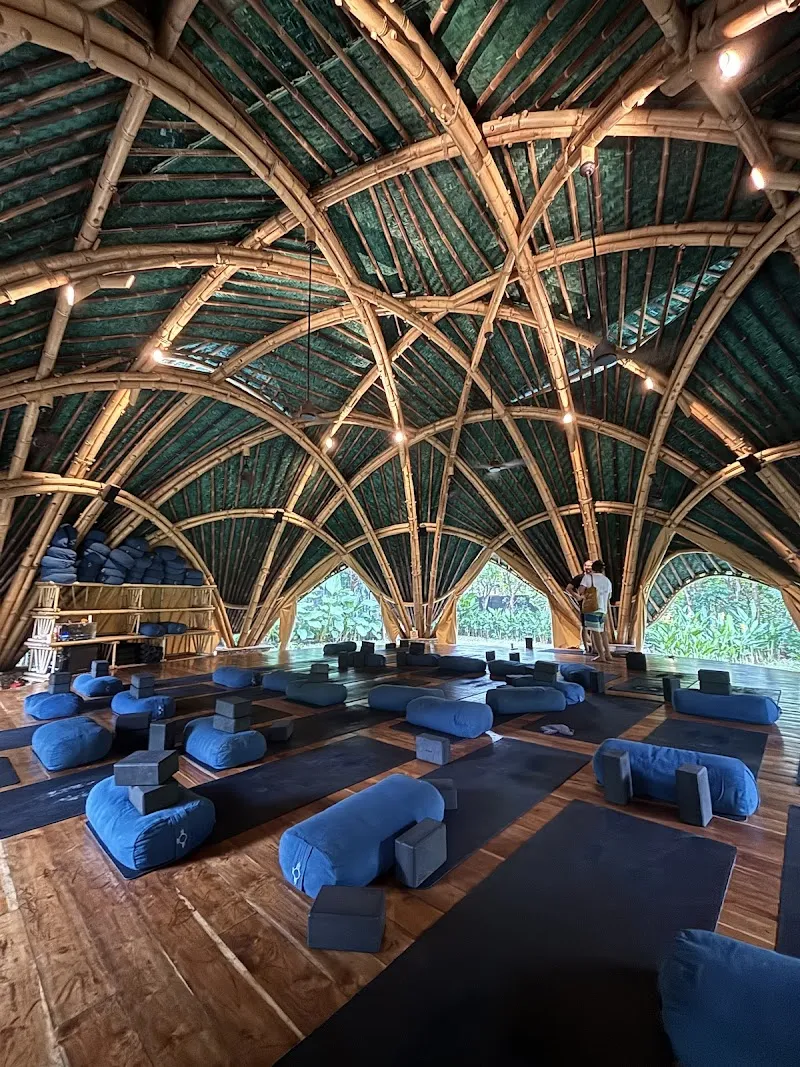
Alchemy Yoga's clifftop Uluwatu campus. Same spiritually deep curriculum as the Ubud location, set against ocean panoramas on the Bukit Peninsula.
Alchemy Yoga's clifftop Uluwatu campus. Same spiritually deep curriculum as the Ubud location, set against ocean panoramas on the Bukit Peninsula.
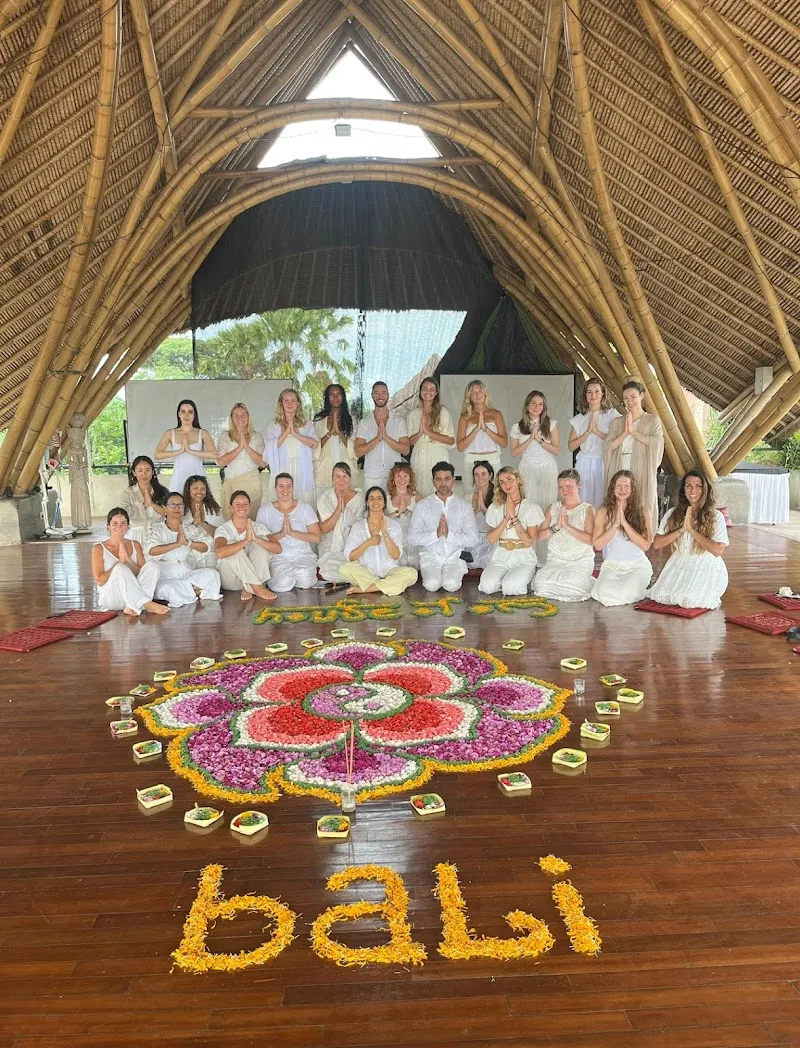
House of Om's flagship Ubud campus. Full 200hr, 300hr and 500hr Yoga Alliance certified programs. Reviewers praise the food, the setting and the organization of the training.
House of Om's flagship Ubud campus. Full 200hr, 300hr and 500hr Yoga Alliance certified programs. Reviewers praise the food, the setting and the organization of the training.
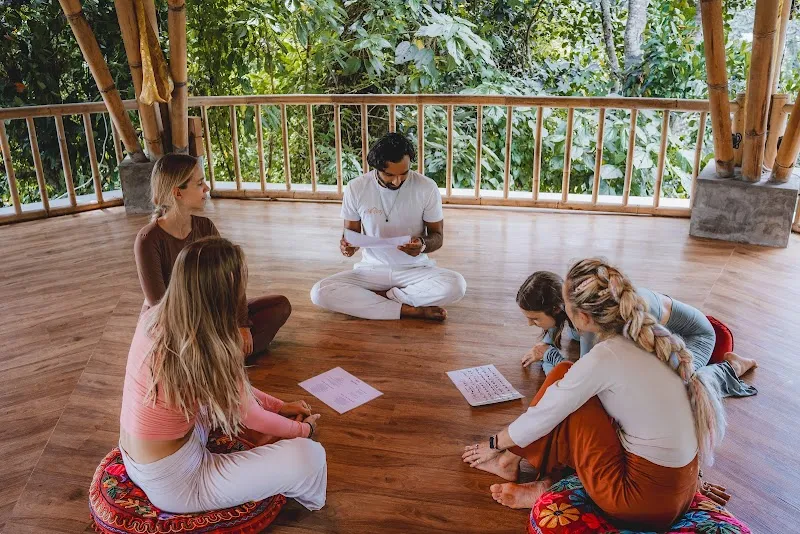
House of Om's retreat-style campus in the Ubud hills. Reviewers praise exceptional food, rice terrace views, and an immersive training atmosphere. Full 200hr/300hr/500hr programs.
House of Om's retreat-style campus in the Ubud hills. Reviewers praise exceptional food, rice terrace views, and an immersive training atmosphere. Full 200hr/300hr/500hr programs.
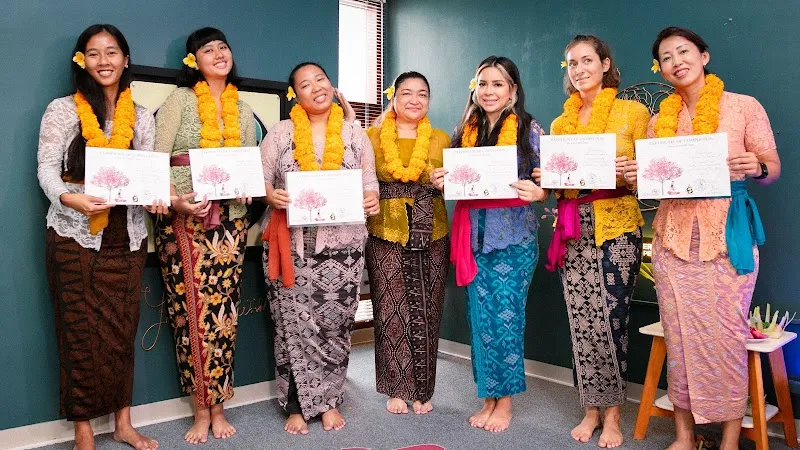
Bali's dedicated Yin Yoga specialist. Maximum 6 students per cohort. Dedicated RYS-200 and RYS-300 Yin certifications on the Bukit Peninsula.
Bali's dedicated Yin Yoga specialist. Maximum 6 students per cohort. Dedicated RYS-200 and RYS-300 Yin certifications on the Bukit Peninsula.
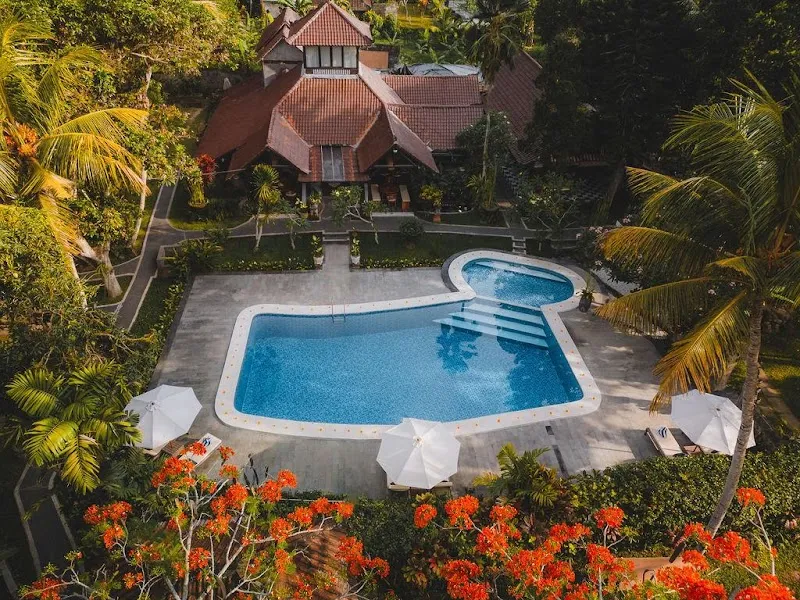
The original House of Om campus in Ubud's Melati area. Reviewers praise outstanding food, comfortable rooms, and well-organized 200hr/300hr/500hr certification programs.
The original House of Om campus in Ubud's Melati area. Reviewers praise outstanding food, comfortable rooms, and well-organized 200hr/300hr/500hr certification programs.
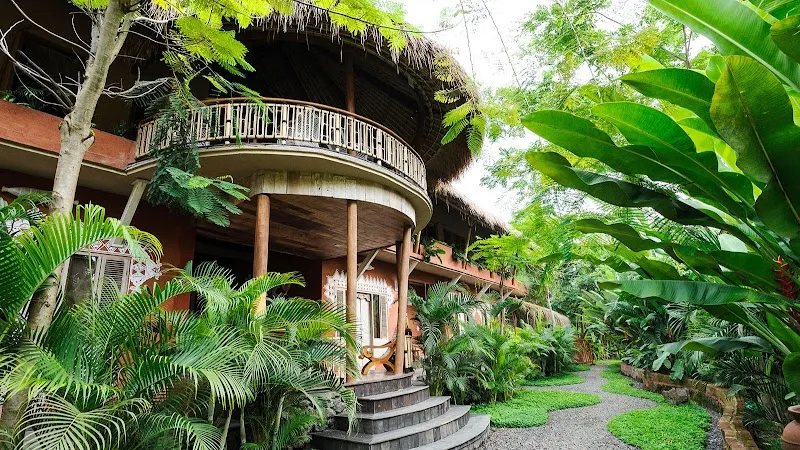
Ubud's most iconic yoga venue hosting 5+ RYS-certified training programs. Internationally recognized teachers including Ana Forrest and Tara Judelle. Multi-shala complex with daily classes, restaurant, and healing center.
Ubud's most iconic yoga venue hosting 5+ RYS-certified training programs. Internationally recognized teachers including Ana Forrest and Tara Judelle. Multi-shala complex with daily classes, restaurant, and healing center.
The best 10 of 32 Bali yoga schools for 500-Hour YTT, with published prices where available. Data source: school websites. Always confirm current pricing with the school directly before enrolling.
Showing the best 10 of 32 schools. See all 32 schools →
Run a yoga school in Bali? Ask us about being listed on this page
What Is a 500-Hour Yoga Teacher Training?
What Affects 500-Hour YTT Prices in Bali?
Related Articles
Certification
Yoga Alliance Accreditation Explained: Why It Matters for Your Bali YTT
What RYS, RYT, and E-RYT mean. How to verify a school's registration. Why non-certified programs are risky and what to check before enrolling.
Read more →Career
Is a Bali YTT Worth It? Costs, Career Prospects, and Real Graduate Experiences
The honest case for and against doing your YTT in Bali. What graduates actually earn, career paths, and whether the certification pays for itself.
Read more →Pricing
How Much Does Yoga Teacher Training in Bali Cost? (2026 Prices)
Real pricing data from 28 schools. 200-hour programs from USD 1,500 to USD 4,179. What is included, tier pricing, and how to budget for your Bali YTT.
Read more →Frequently Asked Questions
Intensive 500-hour formats run 6 to 10 weeks of continuous training. Split formats divide the hours into two residencies of 3 to 4 weeks each, with 3 to 6 months between them for teaching practice. For visa purposes, a 60-day Visitor Visa (available on arrival for many nationalities) covers most intensive formats. Programs exceeding 60 days may require a Social/Cultural Visa (B211A), which your school can provide a sponsor letter for. The extended stay is part of the value: by week five, students report a qualitative shift in their practice and teaching confidence that shorter programs cannot replicate.
Not on price, going by the schools in this directory that publish both. At Bali Yoga Ashram the 500-hour program is USD 4,499 in a shared room, against USD 1,899 (200-hour) plus USD 2,549 (300-hour) = USD 4,448 booked separately, so the combined program costs USD 51 more. At Ulu Yoga Bali the shared-room 500-hour is USD 4,950 against USD 2,199 plus USD 2,199 = USD 4,398. The case for 500 hours upfront is continuity: one cohort, one faculty and one booking. The case for 200 hours first is flexibility: if you decide teaching is not for you, you have not paid for 300 hours you would not use.
Both formats exist. Some schools run a continuous 8 to 10 week intensive where the curriculum flows from foundational to advanced material without a break. Others structure it as two distinct 3 to 4 week residencies with a mandatory gap for teaching practice between them. The continuous format suits students who can commit the full time period and want deep immersion. The split format suits working professionals who need to return home between stages. Contact schools directly about which format they offer, as websites do not always specify clearly.
Sustained fitness matters more than peak capability. You need the endurance to practice 2 to 3 hours of asana daily for 6 to 10 consecutive weeks without breaking down. Common issues in extended trainings include wrist strain (from repeated weight-bearing poses), lower back fatigue, and general burnout around weeks 4 to 5. Building a consistent 5 to 6 day weekly practice for at least 3 months before arrival, focusing on foundational strength rather than advanced postures, prepares the body for the sustained volume. Schools structure rest days and recovery practices (Yin, restorative) into the schedule specifically because of the extended duration.
Yes. Unlike the sequential pathway (200-hour certification, then separate 300-hour certification), a combined 500-hour program qualifies you to register directly as RYT-500 with Yoga Alliance upon completion. Your school submits the full 500 contact hours, and you apply for RYT-500 status (USD 115 initial registration, USD 65 annual renewal). This is the same credential you would earn by doing 200 and 300 hours separately; the advantage is completing it in one training relationship with one school.
Policies vary by school, but most allow you to complete remaining hours in a future cohort if you withdraw mid-program due to medical or emergency reasons. If you completed at least the 200-hour foundational component, some schools will issue a 200-hour certificate for that portion while holding your 300-hour spot for a return visit. Always discuss contingency policies before enrolling, as refunds for partially completed programs are rare. Travel insurance that covers training interruption is a wise investment for the longer commitment.
Schools offering 500-hour programs tend to be among the most established operations because delivering a full 500-hour curriculum requires deep faculty rosters, year-round scheduling capability, and the infrastructure to house students for extended periods. However, some excellent smaller schools focus exclusively on 200-hour programs and deliver outstanding training within that scope. The 500-hour offering signals operational maturity and teaching depth, but a school not offering 500 hours is not necessarily a lesser school: it may simply specialize in foundational training.
In a combined 500-hour program, the advanced portion is designed as a direct continuation of the foundational training, with curriculum, philosophy, and teaching methodology building seamlessly on what was covered in the first 200 hours. Faculty know each student's strengths and growth areas from the foundational phase. Standalone 300-hour programs at different schools must accommodate graduates from varied 200-hour backgrounds, so they spend initial days assessing where students are. The combined format saves that ramp-up time but lacks the benefit of exposure to a different teaching tradition and perspective.
The daily schedule is similar to a 200-hour program (6:00 AM start, 6 to 8 hours of training, ending by 6:00 to 7:00 PM) but sustained over a much longer period. The curriculum pacing differs: foundational weeks build from basic to intermediate, while advanced weeks shift toward self-directed practice, teaching labs, and specialized topics. By weeks 5 to 6, the schedule often includes more student-led teaching practicum and less instructor-led lecture, reflecting the progression from student to emerging teacher. Rest days may increase to 1.5 to 2 per week during the advanced phase to manage cumulative fatigue.
For part-time teaching goals, a 200-hour certification is sufficient. Most studio positions, gym yoga classes, and retreat assistant roles require only RYT-200. The 500-hour investment (in both time and money) makes financial sense if you plan to make yoga teaching a primary income source, want to lead teacher trainings yourself eventually, or want the credential depth to command higher per-class rates. If uncertain, start with 200 hours, teach for a year, and then decide whether the advanced training will accelerate your specific career path.
Ready to Compare Schools?
Browse all 32+ schools side by side.