Yoga Teacher Training in Ubud, Bali
Updated
The spiritual heart of Bali and the undisputed capital of yoga teacher training.
18 schools in Ubud
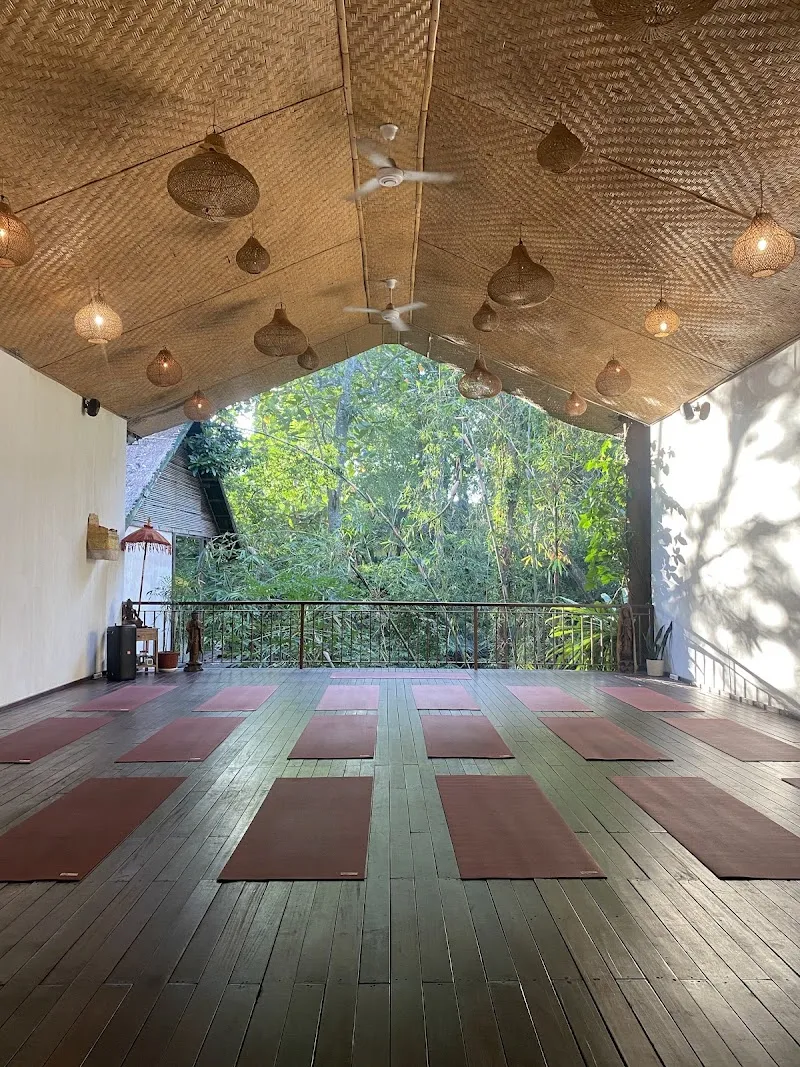
Radiantly Alive Yoga
Ubud
One of the most-reviewed yoga spaces in Bali. Vinyasa-rooted 200hr and 300hr programs in central Ubud. Reviewers praise lead teacher Zara for clear, accessible instruction.
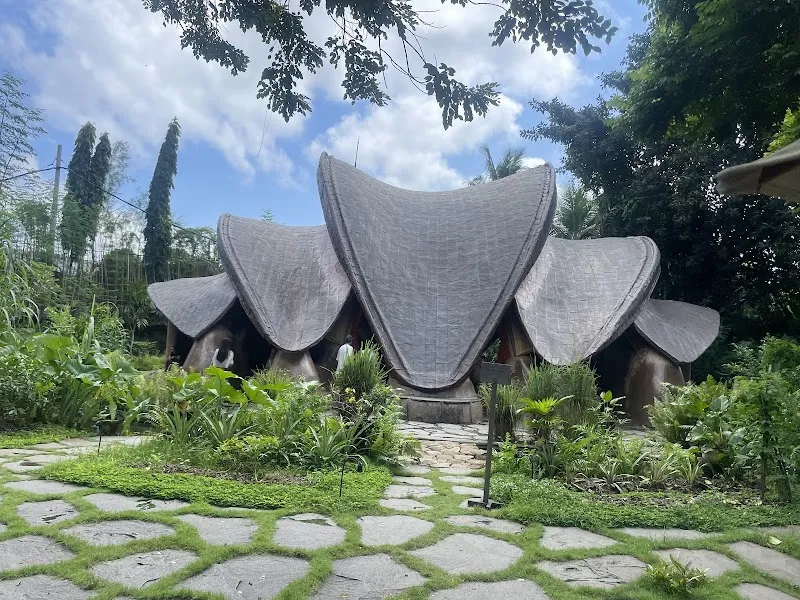
Alchemy Yoga and Meditation Center
Ubud · yin
Jungle-edge shala in Penestanan. Known for spiritually deep training that emphasizes meditation and philosophy alongside asana. Reviewers highlight the value-for-money and transformative atmosphere.
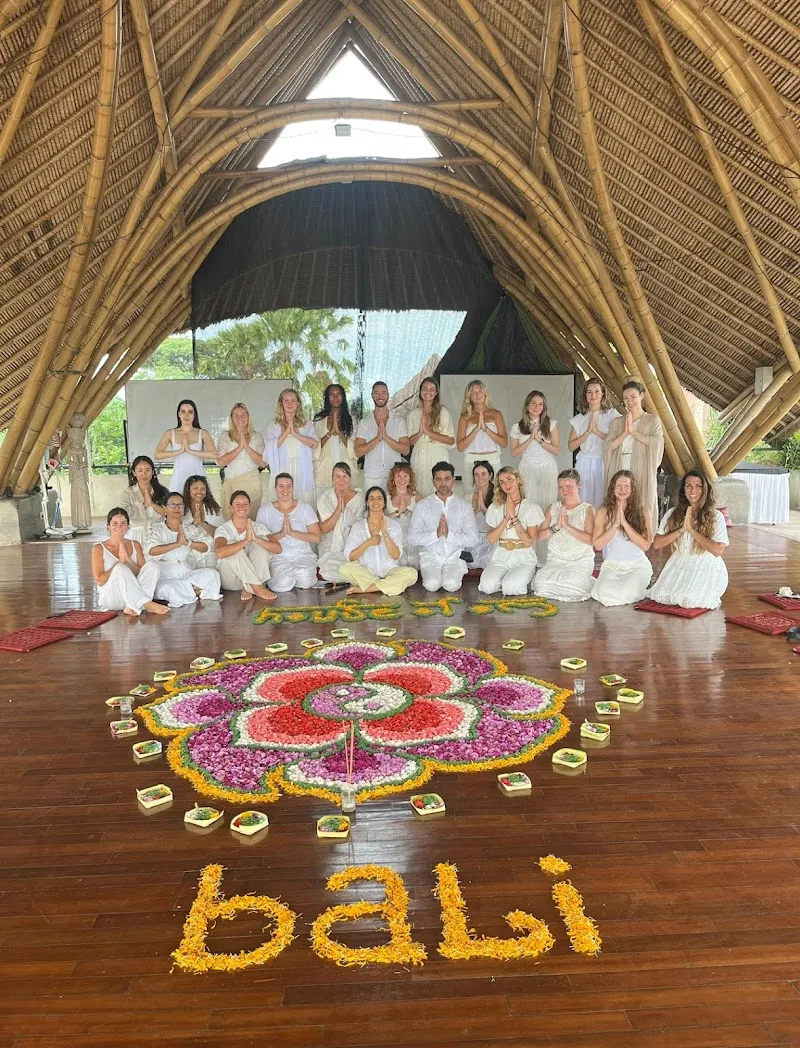
House of Om The Mansion Yoga
Ubud · yin
House of Om's flagship Ubud campus. Full 200hr, 300hr and 500hr Yoga Alliance certified programs. Reviewers praise the food, the setting and the organization of the training.
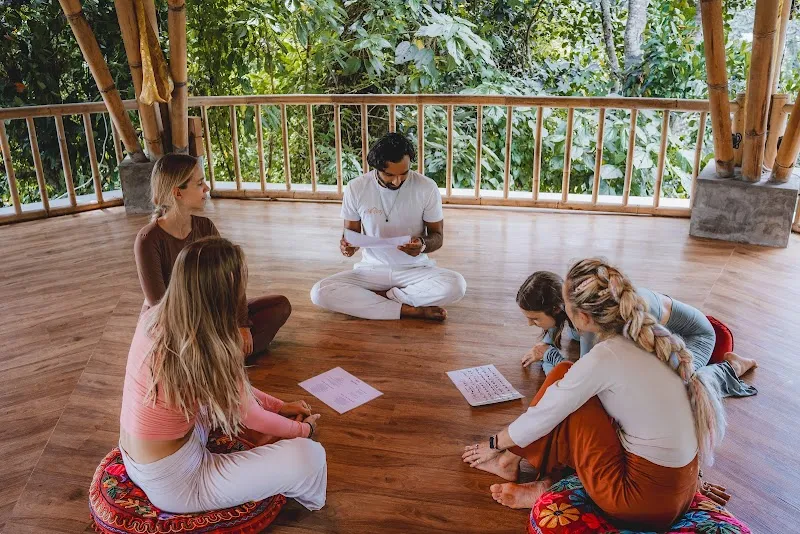
House of Om Amertham Yoga
Ubud · yin
House of Om's retreat-style campus in the Ubud hills. Reviewers praise exceptional food, rice terrace views, and an immersive training atmosphere. Full 200hr/300hr/500hr programs.
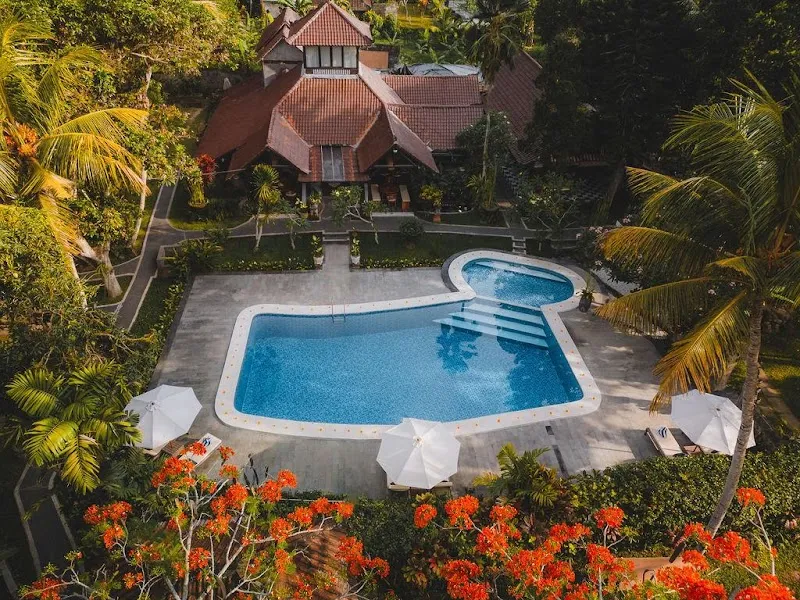
House of Om Melati Yoga
Ubud · yin
The original House of Om campus in Ubud's Melati area. Reviewers praise outstanding food, comfortable rooms, and well-organized 200hr/300hr/500hr certification programs.
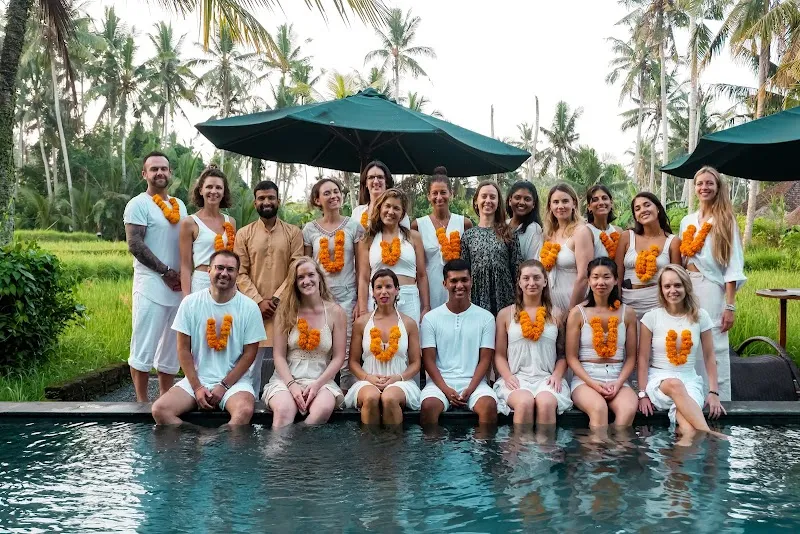
Bali Yoga Ashram
Ubud · vinyasa
Budget-friendly 200hr from USD 1,899 shared. Full ashram experience with Vinyasa, Ashtanga, and Yin training. Private villas to shared rooms available.
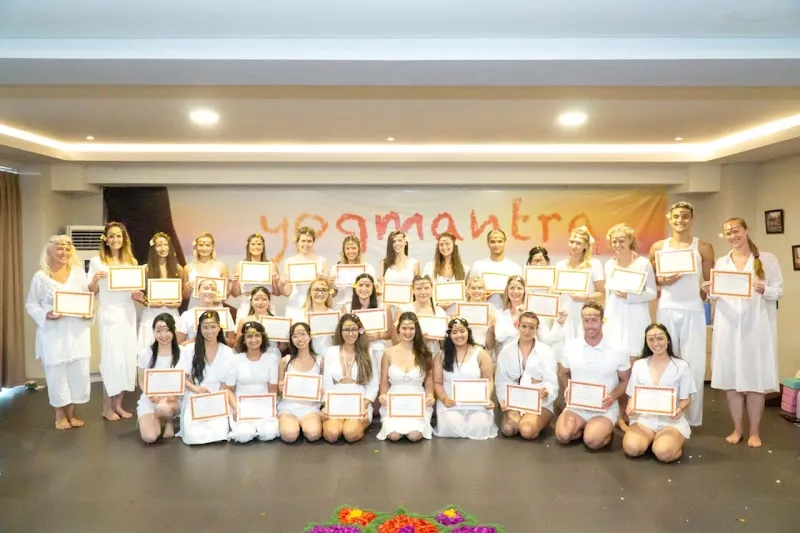
Yogmantra Bali
Ubud · vinyasa
Multi-style training with maximum 14 students, from USD 1,500. Reviewers praise detailed anatomy instruction by teacher Saurav. Includes accommodation with sea-view options and meals.
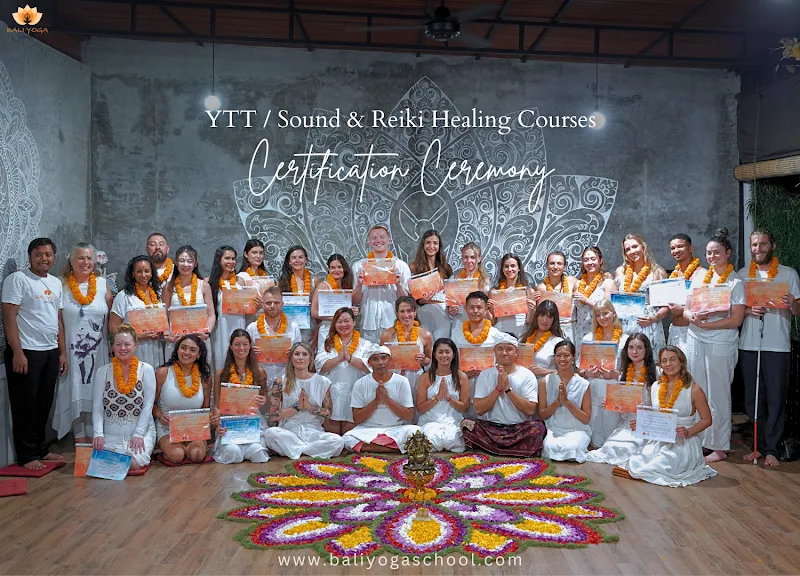
Bali Yoga School
Ubud · vinyasa
Established Ubud school with full 200hr/300hr/500hr programs from USD 2,800. Teacher Chiara praised for excellence across student reviews. All-inclusive with private bathroom.
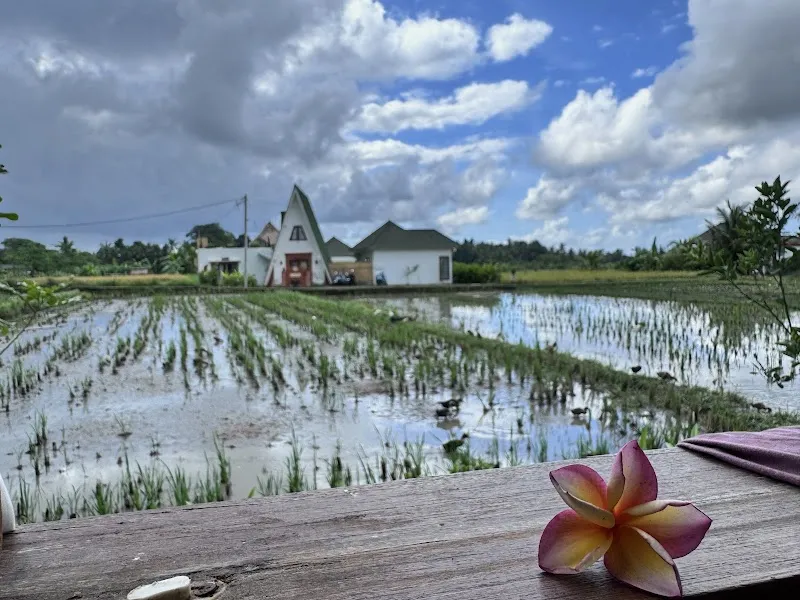
Soul Yoga School
Ubud · hatha
Ubud school with a Hatha and Yin focus and standout anatomy instruction by teacher Sandi. Strong community atmosphere and vegetarian meals included.
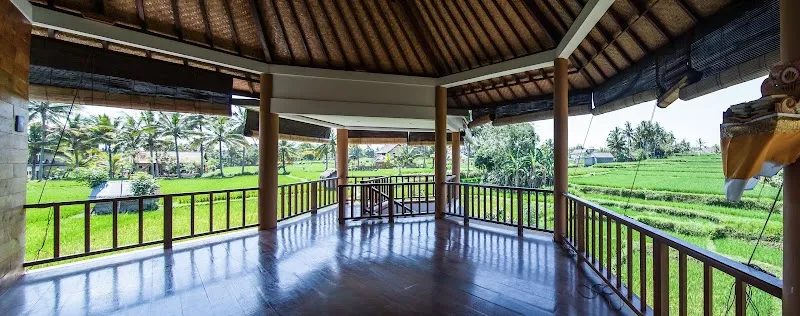
Ubud Yoga House
Ubud · vinyasa
Central Ubud location. Maximum 12 students per cohort. Covers 6 yoga styles including Iyengar. Local teacher Ketut praised for Balinese yoga traditions.
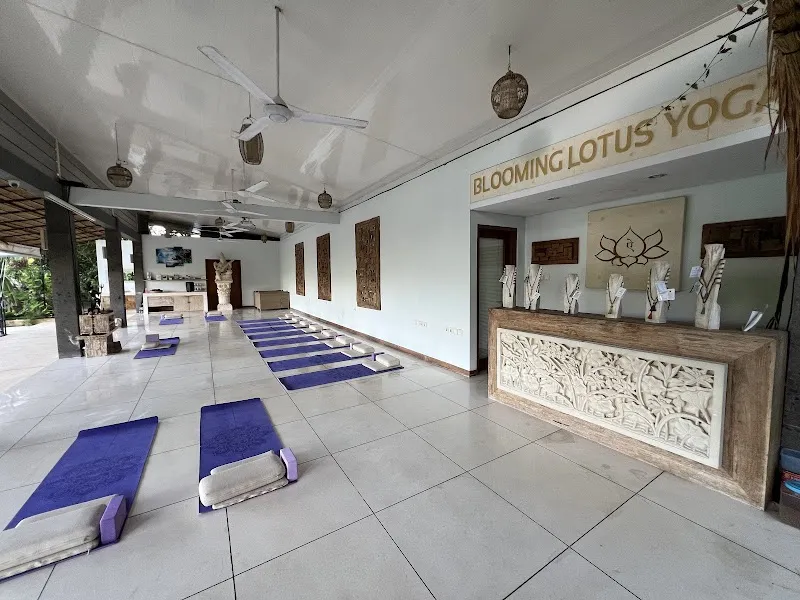
Blooming Lotus Yoga
Ubud · vinyasa
Premium retreat-style 200hr in Ubud countryside from USD 4,179. Private rooms with plunge pools, highly praised vegetarian cuisine, and multi-style Vinyasa/Hatha/Ashtanga/Yin training.
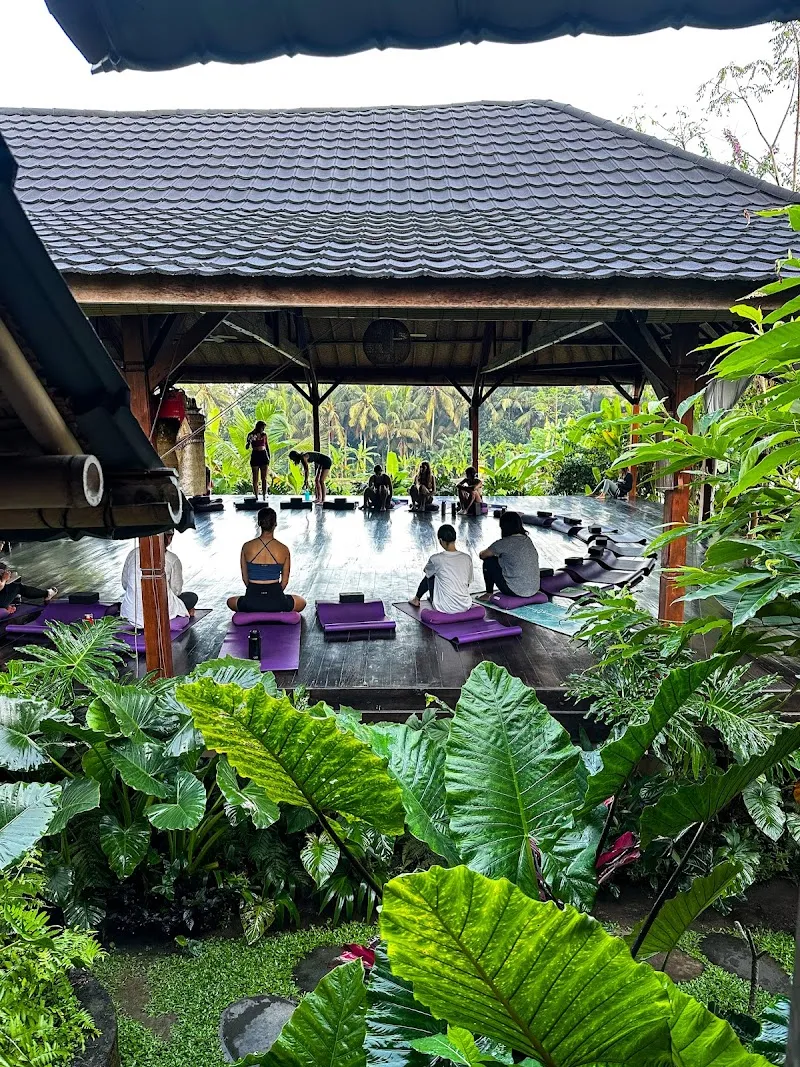
YogaUnion Bali
Ubud · vinyasa
Penestanan, Ubud. Multi-tradition 200hr and 300hr covering Vinyasa, Ashtanga, Yin, and Kundalini. Residential neighborhood setting near Campuhan Ridge Walk.
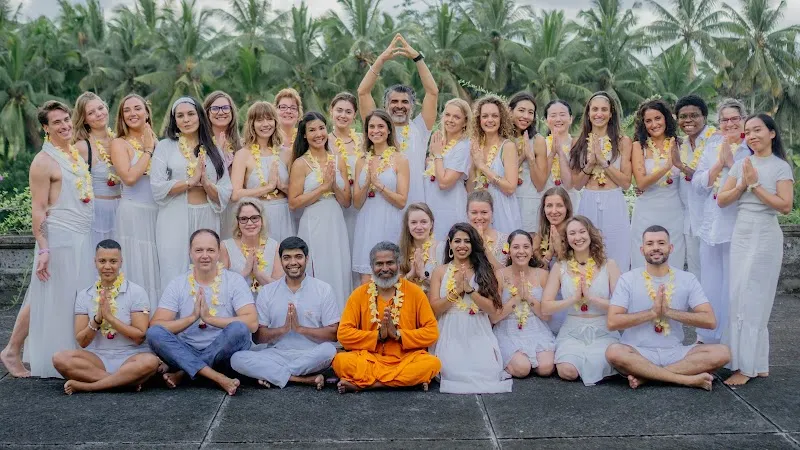
Yoga New Vision
Ubud · vinyasa
200hr from USD 3,199 at Om Ham Retreat. Emphasizes anatomy and philosophy alongside multi-style practice. Reviewers describe the experience as life-changing.
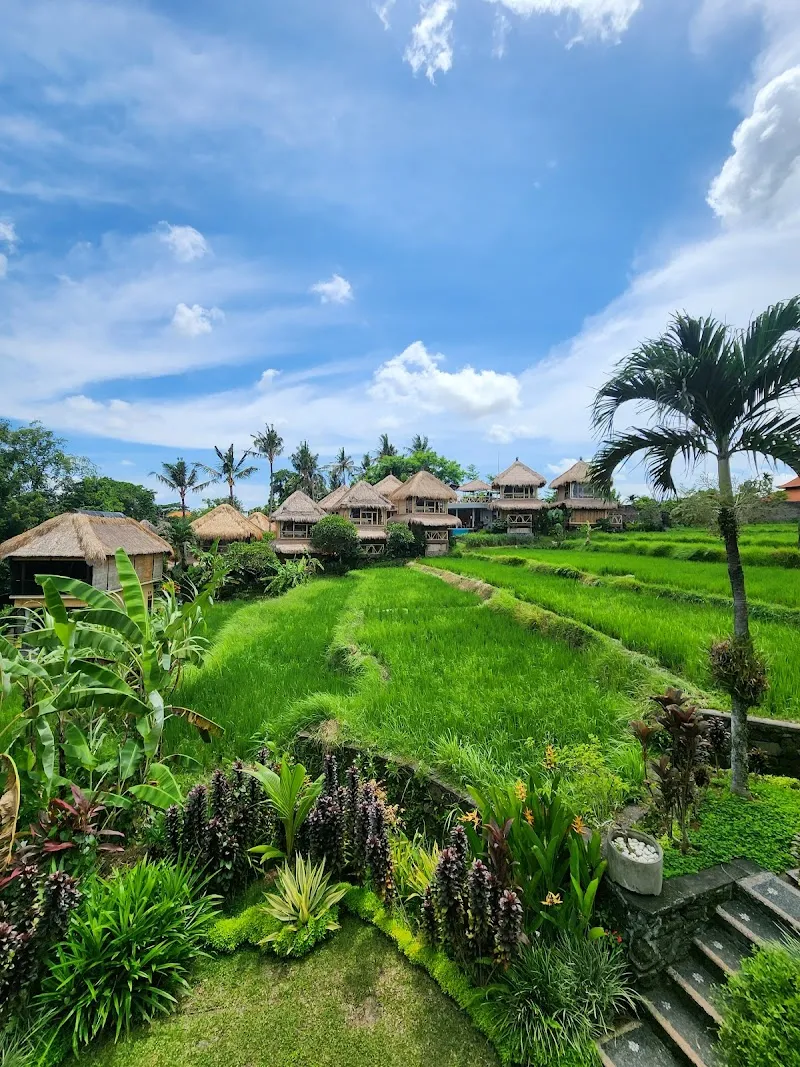
Shades of Yoga
Ubud
Operating since 2007, one of Bali's longest-running YTT schools. 200hr from USD 2,500 in Ubud, with a strong anatomy focus.
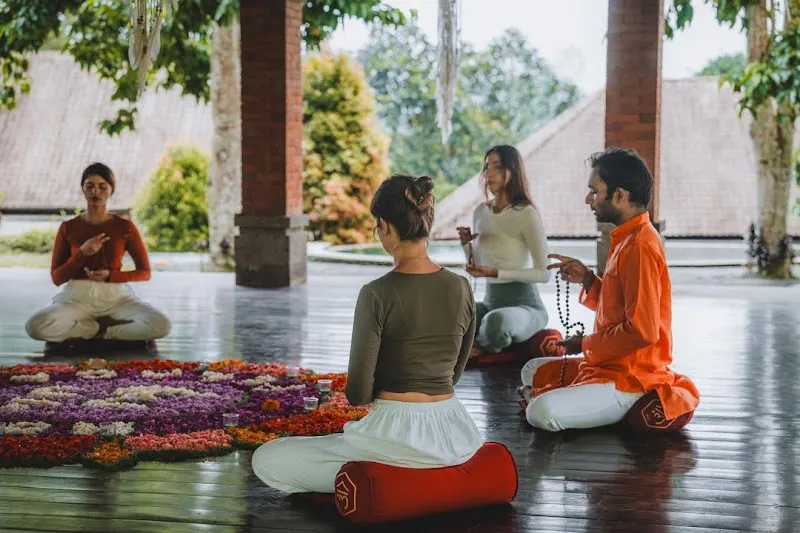
House Of Om Pelaga Yoga
Ubud · vinyasa
House of Om's highland campus in rural Pelaga. Multi-style curriculum from USD 2,390. Maximum seclusion with cooler temperatures and lush tropical surroundings.
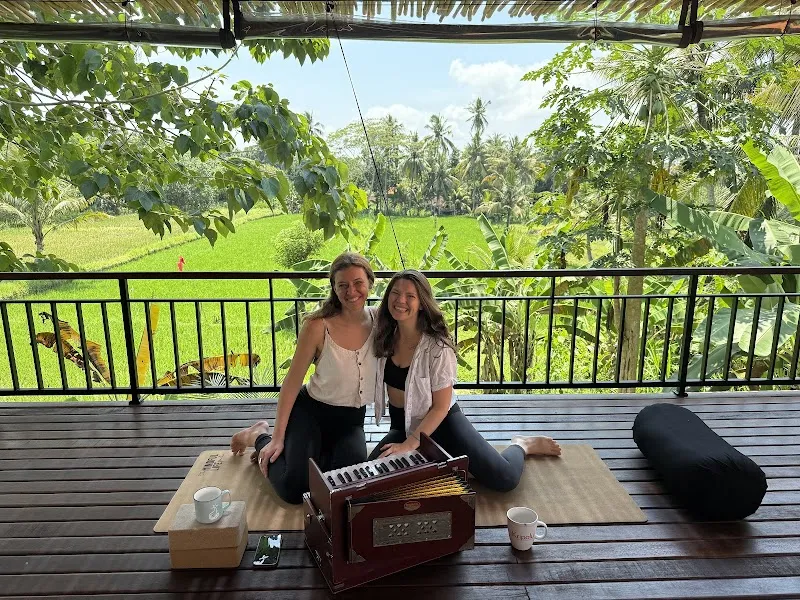
Mindful Bali Yoga
Ubud · yin
Ubud school with a Yin Yoga specialization (RYS-200/300). Teacher Alex(andra) praised throughout student reviews. Intimate cohorts with strong community focus and spiritual depth.
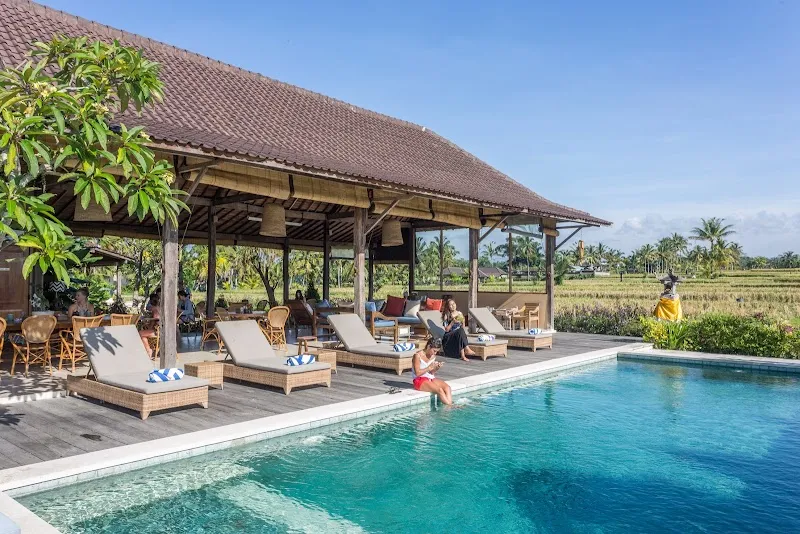
Inner Yoga Training Bali
Ubud · vinyasa
Intimate Ubud school with personalized attention. Vinyasa and Yin focus in the quiet Pejeng Kawan area near rice fields. Food and location draw consistent praise in reviews.
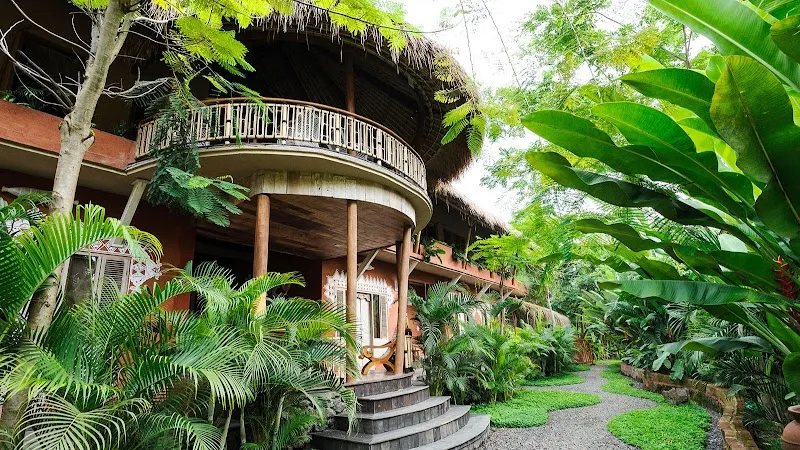
The Yoga Barn
Ubud · yin · Training venue
Ubud's most iconic yoga venue hosting 5+ RYS-certified training programs. Internationally recognized teachers including Ana Forrest and Tara Judelle. Multi-shala complex with daily classes, restaurant, and healing center.
What to Expect in Ubud
Ubud is the undisputed capital of yoga teacher training in Bali, with 17 RYS-certified schools concentrated in and around the town center. Training environments range from traditional ashram settings in the rice paddies of Penestanan and Nyuh Kuning to modern studio compounds along Jalan Hanoman and Monkey Forest Road. Most Ubud YTTs are residential programs where you live, eat, and train at the school for three to four weeks. The spiritual density of the area, with temples, ceremonies, and a deeply rooted Hindu-Balinese culture surrounding you daily, adds a dimension to training that classroom settings cannot replicate. Expect early mornings (6:00 AM starts are standard), vegetarian or vegan communal meals, and limited nightlife. Ubud is designed for going inward.
Popular Programs in Ubud
Ubud offers the widest range of program types in Bali. Every major certification level (200-hour, 300-hour, 500-hour) is available from multiple schools, with 200-hour programs ranging from USD 1,500 at Yogmantra Bali to USD 4,179 at Blooming Lotus. Multi-style programs blending Hatha and Vinyasa foundations are the most common, but Ubud also has dedicated Ashtanga shalas (YogaUnion Bali runs daily Mysore practice), Yin specialists (Mindful Bali runs a dedicated Yin specialization), and Kundalini training. The town's philosophical depth makes it particularly strong for programs that emphasize yoga philosophy, meditation, and the contemplative dimensions of teacher training alongside physical practice. Schools like House of Om (4 Ubud locations), Radiantly Alive (known for Zara's Vinyasa and spiritual integration), and The Yoga Barn (a Training Venue hosting multiple partner school programs) represent the range: multi-campus ashram model, contemporary studio, and venue-hosted training respectively.
Tips for Visitors to Ubud
Book accommodation at or near your school. Ubud traffic is worse than it looks on a map, and commuting by scooter during morning rush adds unnecessary stress to an already intensive schedule. If your program does not include meals, Ubud has abundant affordable warungs (local restaurants) and health-food cafes within walking distance of most schools. Bring layers: Ubud sits at a higher elevation than the coast and mornings can be cool, especially during pranayama and meditation sessions. A scooter is useful for rest days (exploring rice terraces, visiting temples, or day trips to waterfalls) but not essential if your school is centrally located. The nearest airport (Ngurah Rai) is 90 minutes away by car; arrange airport transfer through your school or book a Grab in advance.
Frequently Asked Questions about Ubud
Ubud has 17 RYS-certified schools, the highest concentration of any area in Bali, with programs spanning every price point from USD 1,500 to USD 4,179 and every major style. Beyond the numbers, Ubud's Hindu-Balinese cultural immersion (daily temple ceremonies, offerings, and community rituals visible from most schools) adds a spiritual dimension that purely studio-based training environments cannot replicate. Over 60 percent of all Bali YTT students train in Ubud, drawn by the combination of serious training infrastructure and a town-wide culture that naturally supports intensive self-development.
Ngurah Rai International Airport is approximately 35 km south of Ubud, taking 60 to 90 minutes by car depending on traffic (longer during evening rush, which can extend travel to 2 hours). Most schools offer airport pickup as part of the program or for USD 15 to USD 25. Grab (the Southeast Asian ride-hailing app) is reliable and typically costs IDR 250,000 to IDR 350,000 (USD 16 to USD 22). Private transfer services pre-booked through your school are the most reliable option for late-night arrivals when Grab availability drops.
Yes. Ubud has no beach party scene, no surf-bar nightlife, and the town's cultural life revolves around yoga, traditional arts, and Balinese ceremony rather than entertainment. Most restaurants close by 9:00 to 10:00 PM and the streets are quiet by that time. This matters for YTT students because training starts at 6:00 AM, so a good night's sleep is not optional. Canggu's bars, beach clubs, and social scene create temptation that Ubud simply does not present. Students who specifically want minimal social distraction consistently report that Ubud's environment made it easier to focus entirely on training.
Options range from basic ashram shared rooms (included in program fees at schools like Bali Yoga Ashram) to private villas with pool access at premium schools like Blooming Lotus. Most programs include shared accommodation in their listed price: typically a twin or double room shared with another student, private bathroom, fan or air conditioning depending on the school. Independent accommodation in Ubud guesthouses starts around USD 15 to USD 30 per night. If your program is tuition-only, Nyuh Kuning and Penestanan neighborhoods offer the best balance of affordability and proximity to most schools.
Rest days (typically one per week, usually Sunday) are ideal for exploring. The Tegallalang Rice Terraces (30 minutes north) offer dramatic photo opportunities and a gentle walk. Tirta Empul Temple provides a traditional Balinese water purification ceremony that many YTT students describe as a training highlight. The Campuhan Ridge Walk (20-minute sunrise walk starting from the center of town) is free and peaceful. Ubud's art market has handmade goods and local crafts. For deeper relaxation, numerous spas offer traditional Balinese massage for USD 10 to USD 20 per hour. However, listen to your body: after 6 consecutive days of 6 to 8 hours of training, genuine rest (reading, journaling, sleeping in) is sometimes more valuable than sightseeing.
Ubud is one of the best destinations in Southeast Asia for plant-based eating. Dozens of dedicated vegetarian and vegan restaurants serve the yoga community: Sage (raw vegan fine dining), Alchemy (organic raw food bar), Clear Cafe (health-focused menu with extensive vegan options), and numerous local warungs offering tempeh and tofu-based Balinese dishes for USD 2 to USD 5 per meal. Most YTT programs include vegetarian or vegan meals, but on rest days or evenings, you will have no trouble finding food that matches your dietary preferences within walking distance of any school in central Ubud.
Penestanan (northwest of center) is elevated, peaceful, surrounded by rice paddies, and home to several ashram-style schools. It suits students seeking deep immersion without town distractions. Nyuh Kuning (south, near Monkey Forest) is quiet and residential, with several schools and affordable guesthouses. Central Jalan Hanoman and Monkey Forest Road are walkable to everything (restaurants, shops, studios) and home to contemporary schools like Radiantly Alive. House of Om operates across four Ubud locations: The Mansion, Amertham, Melati, and Pelaga (the most remote, set in a mountain village 45 minutes north). Your school's neighborhood largely determines your daily experience outside training hours.
Ubud has good Wi-Fi at most cafes, guesthouses, and co-living spaces (8 to 30 Mbps typical). Most schools provide Wi-Fi on campus, though signal quality varies and some intentionally limit access during training hours to maintain focus. For emergencies and messaging, Indonesian SIM cards (Telkomsel is the most reliable carrier in Ubud) cost USD 5 to USD 10 with 20 to 30 GB of 4G data. However, YTT schedules leave minimal time for sustained online activity. Students planning to do any remote work should discuss schedule flexibility with their school before enrolling, as most programs run 6 to 8 hours daily with mandatory attendance.
Ubud is one of the safest destinations in Southeast Asia for solo travelers, and solo female travelers make up the majority demographic for YTT programs. Violent crime is extremely rare. The primary safety considerations are practical: wearing a helmet on scooters (mandatory by law, and Ubud roads are steep and winding), securing valuables in accommodations (small lockbox or locker), watching for uneven sidewalks and temple steps, and staying hydrated in the tropical climate. The YTT community itself provides a built-in social network from day one, so solo travelers quickly find training cohort connections that extend beyond class hours.
Ubud is warmer and more humid than many visitors expect (sitting at roughly 200 meters elevation, cooler than the coast but still tropical). Morning temperatures around 24 to 26 degrees Celsius are comfortable for 6:00 AM pranayama and meditation. By midday, temperatures reach 30 to 32 degrees with high humidity. Afternoon rain showers are common even in dry season (April to October), typically lasting 30 to 60 minutes. Most schools have indoor or covered shala spaces that continue practice uninterrupted during rain. Bring light, breathable yoga clothes, a light rain jacket, and expect to sweat significantly during afternoon asana sessions. Wet season (November to March) brings heavier rain but training continues as scheduled.
Schools in Other Areas
Still weighing up Ubud against the rest of the island? Our guide to where to do your YTT in Bali compares Ubud, Canggu and Uluwatu on the vibe of each area, what programs there typically cost, and how many schools you have to choose from.