The 10 Best Ashtanga YTT Schools in Bali (2026)
Chosen from 32 schools, prices compared.
Updated
Traditional training following the Ashtanga Vinyasa system. Structured and disciplined.
Ashtanga yoga teacher training in Bali follows the traditional Mysore-style system established by Pattabhi Jois, with 15+ schools offering programs and 203 student review mentions confirming it as the third most-discussed style. Training covers the Primary Series and Intermediate Series within a disciplined, structured framework that demands more physical preparation than any other YTT style.
The cheapest ashtanga ytt among the 10 schools listed here starts at USD $700 at Ulu Yoga Bali.
Cheapest of the 10
USD $700
Average of the 10
USD $1,925
Most Expensive of the 10
USD $3,150
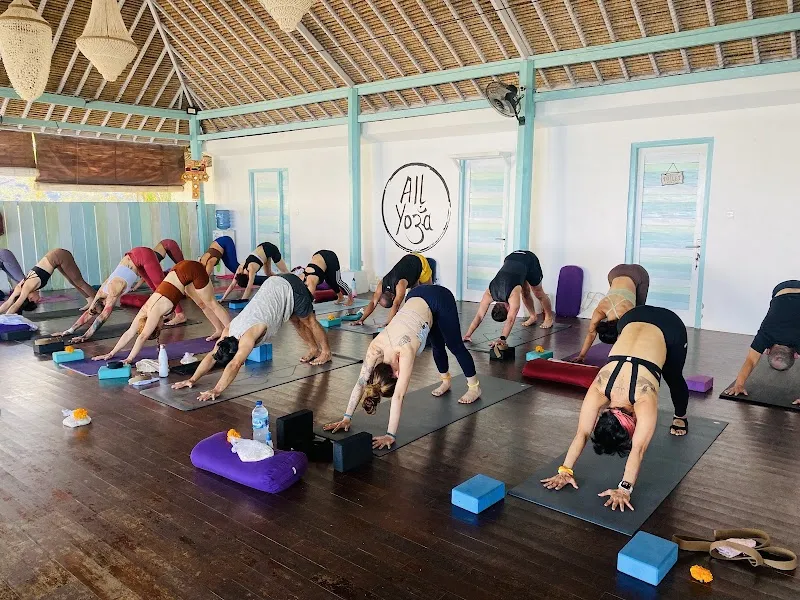
1.All Yoga Training Bali
Editor's PickIsland setting on Nusa Lembongan. Multi-style 200hr and 300hr training in Vinyasa, Ashtanga, Yin, and Rocket yoga. First 10 sign-ups get free accommodation.
1.All Yoga Training Bali
Editor's PickIsland setting on Nusa Lembongan. Multi-style 200hr and 300hr training in Vinyasa, Ashtanga, Yin, and Rocket yoga. First 10 sign-ups get free accommodation.
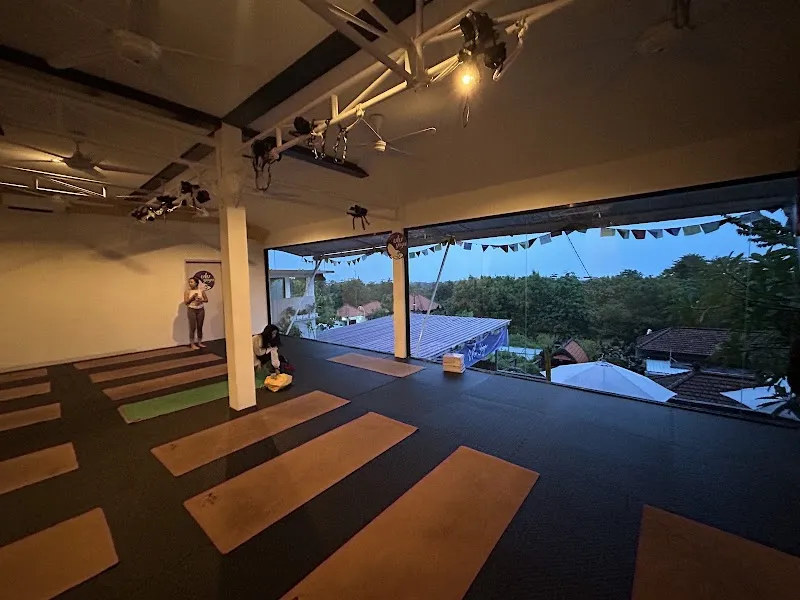
Uluwatu's most comprehensive YTT with 200hr/300hr/500hr across 5 yoga styles. All-inclusive from USD 2,199 including accommodation, meals, sauna, and massage. Reviewers praise supportive teachers.
Uluwatu's most comprehensive YTT with 200hr/300hr/500hr across 5 yoga styles. All-inclusive from USD 2,199 including accommodation, meals, sauna, and massage. Reviewers praise supportive teachers.
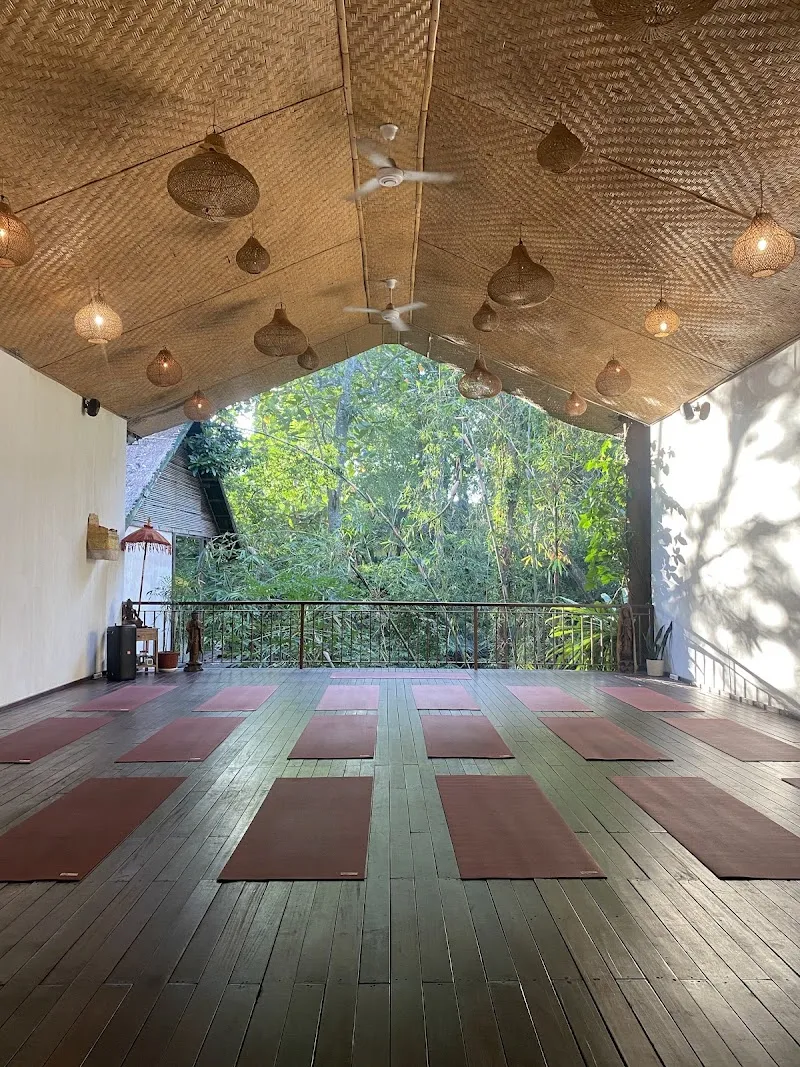
One of the most-reviewed yoga spaces in Bali. Vinyasa-rooted 200hr and 300hr programs in central Ubud. Reviewers praise lead teacher Zara for clear, accessible instruction.
One of the most-reviewed yoga spaces in Bali. Vinyasa-rooted 200hr and 300hr programs in central Ubud. Reviewers praise lead teacher Zara for clear, accessible instruction.
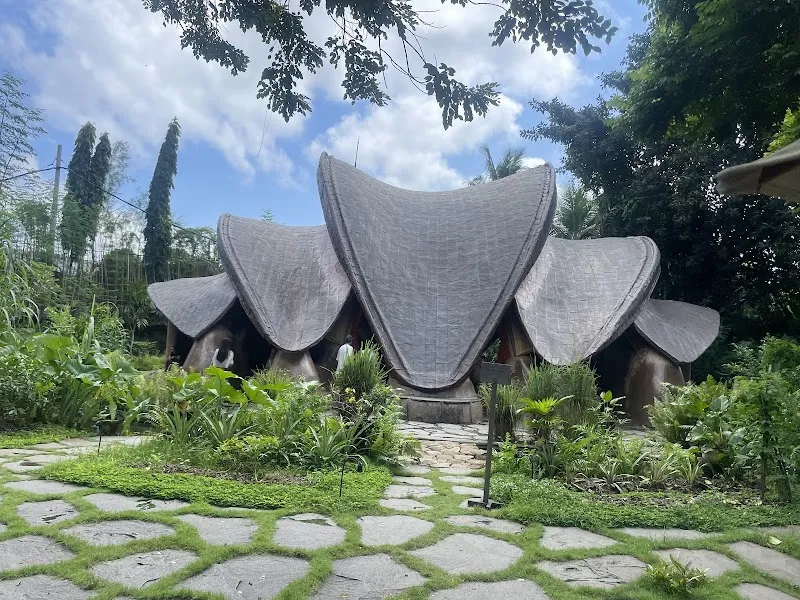
Jungle-edge shala in Penestanan. Known for spiritually deep training that emphasizes meditation and philosophy alongside asana. Reviewers highlight the value-for-money and transformative atmosphere.
Jungle-edge shala in Penestanan. Known for spiritually deep training that emphasizes meditation and philosophy alongside asana. Reviewers highlight the value-for-money and transformative atmosphere.
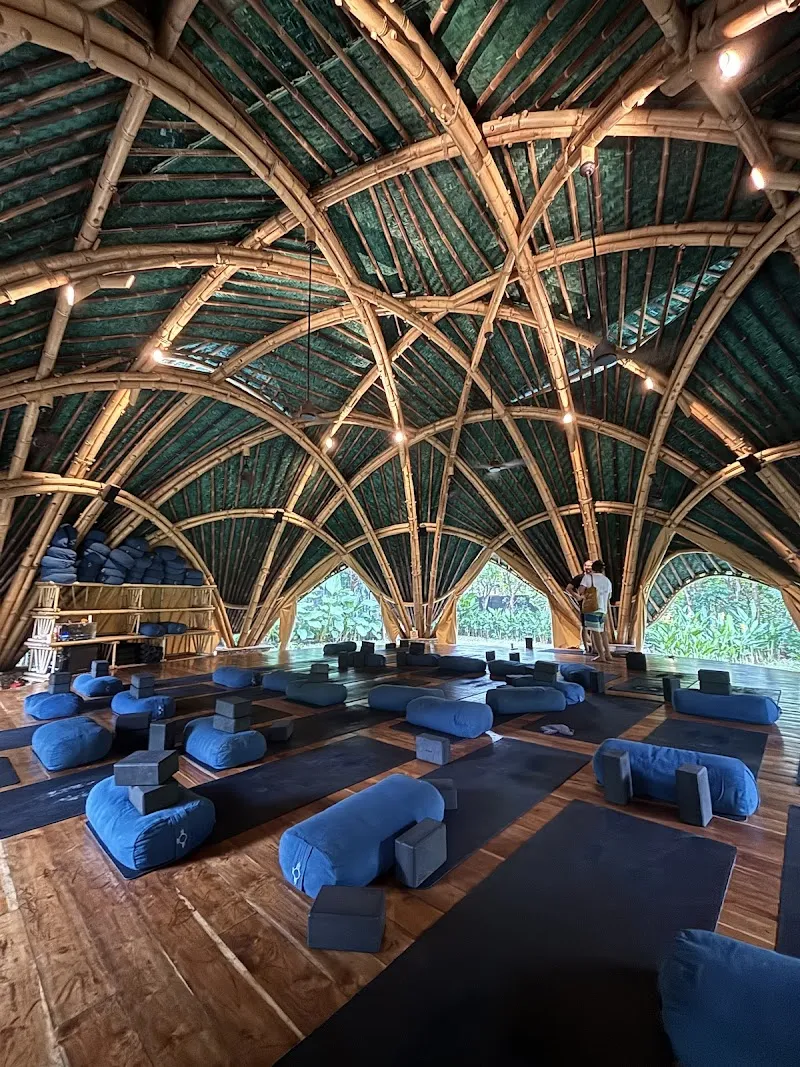
Alchemy Yoga's clifftop Uluwatu campus. Same spiritually deep curriculum as the Ubud location, set against ocean panoramas on the Bukit Peninsula.
Alchemy Yoga's clifftop Uluwatu campus. Same spiritually deep curriculum as the Ubud location, set against ocean panoramas on the Bukit Peninsula.
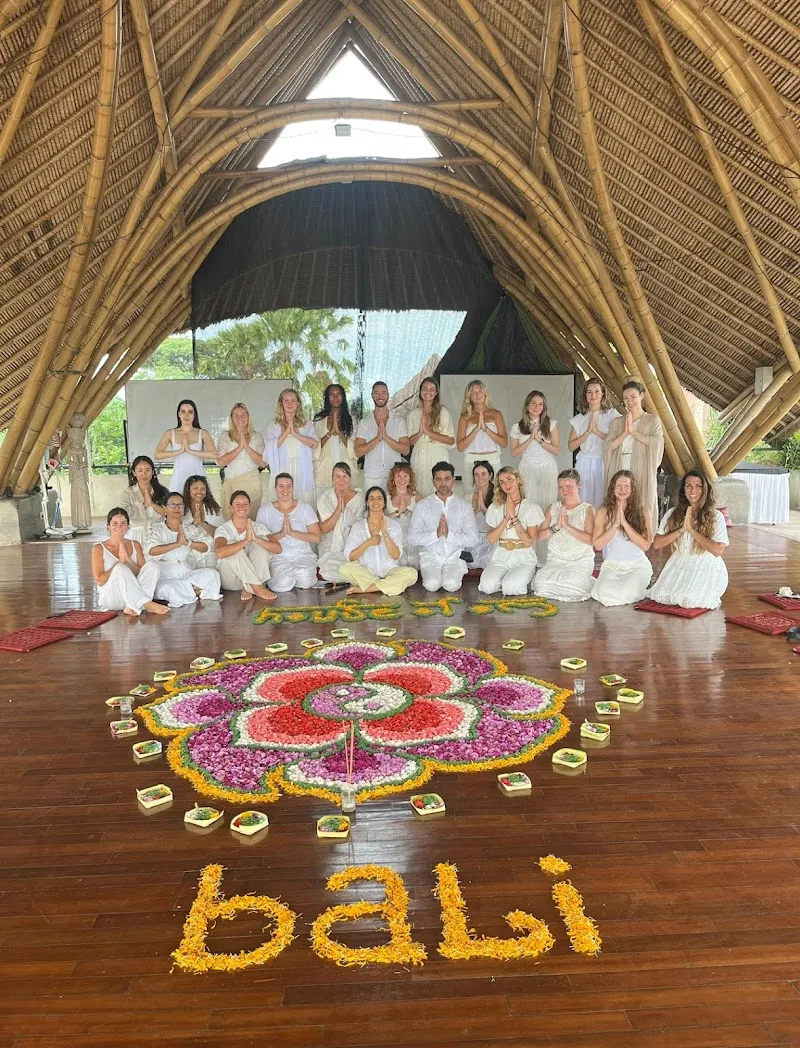
House of Om's flagship Ubud campus. Full 200hr, 300hr and 500hr Yoga Alliance certified programs. Reviewers praise the food, the setting and the organization of the training.
House of Om's flagship Ubud campus. Full 200hr, 300hr and 500hr Yoga Alliance certified programs. Reviewers praise the food, the setting and the organization of the training.
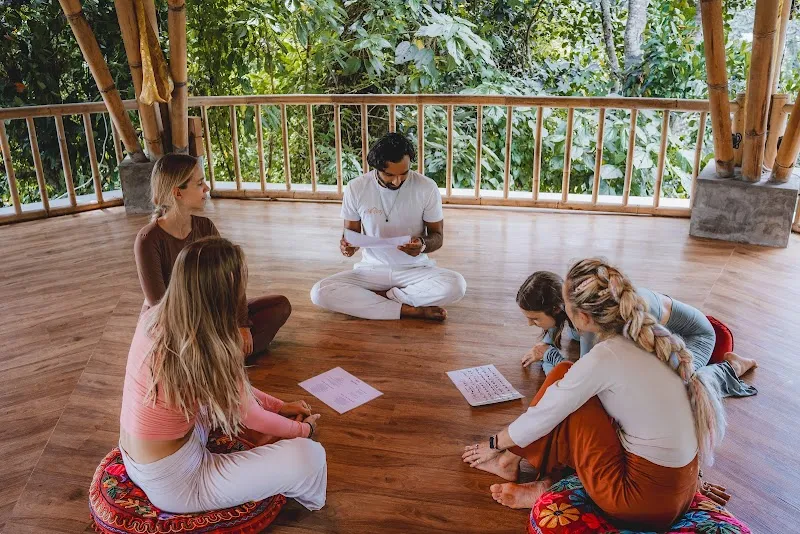
House of Om's retreat-style campus in the Ubud hills. Reviewers praise exceptional food, rice terrace views, and an immersive training atmosphere. Full 200hr/300hr/500hr programs.
House of Om's retreat-style campus in the Ubud hills. Reviewers praise exceptional food, rice terrace views, and an immersive training atmosphere. Full 200hr/300hr/500hr programs.
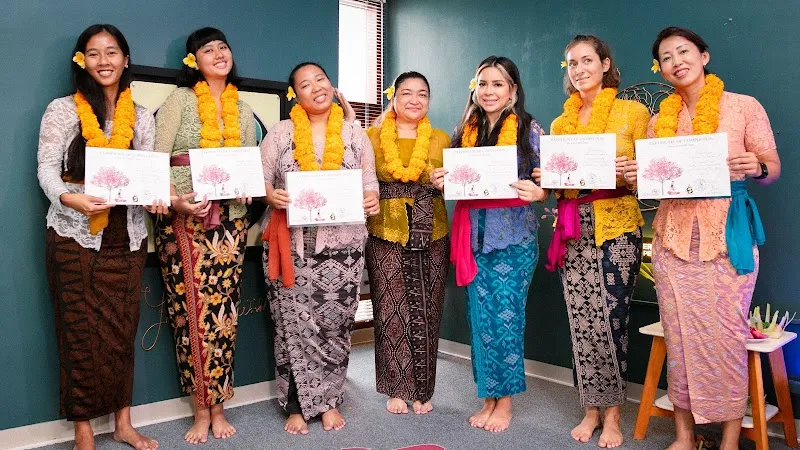
Bali's dedicated Yin Yoga specialist. Maximum 6 students per cohort. Dedicated RYS-200 and RYS-300 Yin certifications on the Bukit Peninsula.
Bali's dedicated Yin Yoga specialist. Maximum 6 students per cohort. Dedicated RYS-200 and RYS-300 Yin certifications on the Bukit Peninsula.
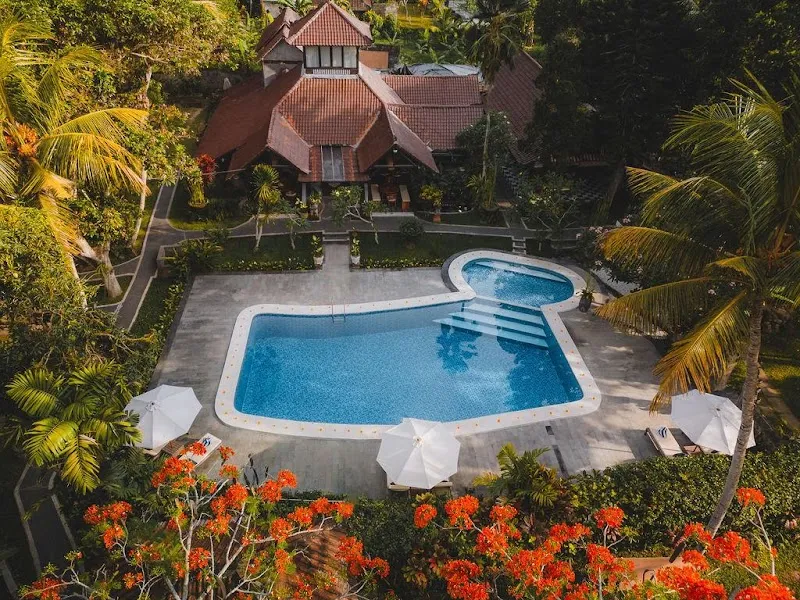
The original House of Om campus in Ubud's Melati area. Reviewers praise outstanding food, comfortable rooms, and well-organized 200hr/300hr/500hr certification programs.
The original House of Om campus in Ubud's Melati area. Reviewers praise outstanding food, comfortable rooms, and well-organized 200hr/300hr/500hr certification programs.
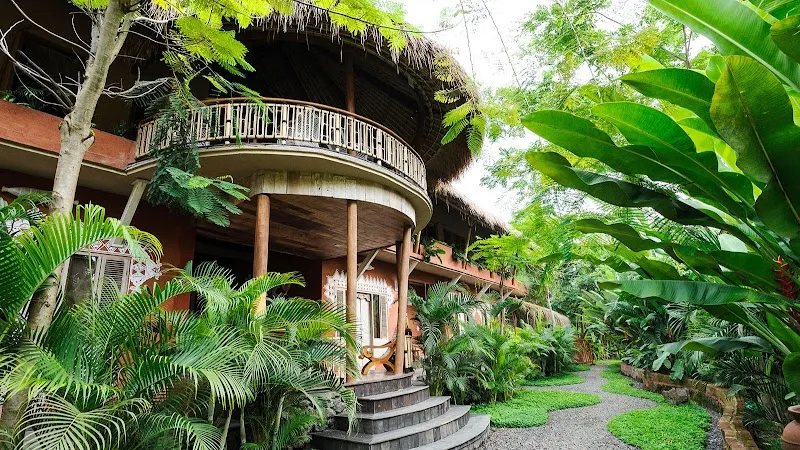
Ubud's most iconic yoga venue hosting 5+ RYS-certified training programs. Internationally recognized teachers including Ana Forrest and Tara Judelle. Multi-shala complex with daily classes, restaurant, and healing center.
Ubud's most iconic yoga venue hosting 5+ RYS-certified training programs. Internationally recognized teachers including Ana Forrest and Tara Judelle. Multi-shala complex with daily classes, restaurant, and healing center.
The best 10 of 32 Bali yoga schools for Ashtanga YTT, with published prices where available. Data source: school websites. Always confirm current pricing with the school directly before enrolling.
Showing the best 10 of 32 schools. See all 32 schools →
Run a yoga school in Bali? Ask us about being listed on this page
What Is Ashtanga Yoga Teacher Training?
What Affects Ashtanga Teacher Training Quality?
Related Articles
Styles
Vinyasa vs Ashtanga vs Yin: Choosing Your Yoga Teacher Training Style
Compare the three most popular YTT styles in Bali. Physical demands, teaching opportunities, and which style matches your goals and personality.
Read more →Guide
How to Choose a Yoga Teacher Training in Bali: The Complete Guide
What to look for in a Bali YTT school. Yoga Alliance verification, teacher credentials, cohort size, accommodation, and the questions to ask before booking.
Read more →Location
Ubud vs Canggu for Yoga Teacher Training: Which Is Right for You?
Spiritual jungle vs beach surf town. Compare atmosphere, school options, pricing, food, and lifestyle for YTT students choosing between Bali's two main training hubs.
Read more →Frequently Asked Questions
Most Ashtanga-specific programs expect familiarity with the standing sequence and at least half of the Primary Series seated postures, which typically means 6 to 12 months of regular Mysore or led Ashtanga practice. Complete beginners should start with a multi-style 200-hour program that includes Ashtanga components rather than a pure Ashtanga training. The daily practice volume (90-minute Primary Series plus afternoon teaching sessions) is physically challenging even for experienced practitioners. Arriving with an established practice prevents the first week from becoming purely about survival.
Mysore style is self-paced Ashtanga practice where students move through the sequence independently at their own breath rhythm while a teacher circulates, providing individual hands-on adjustments, verbal cues, and posture modifications. It is named after the city in India where K. Pattabhi Jois taught. Learning to teach Mysore-style is arguably the most important skill in Ashtanga teacher training because it requires the ability to assess multiple students simultaneously, remember each student's practice level, and deliver precise, safe adjustments without disrupting the room's meditative atmosphere.
The Primary Series (Yoga Chikitsa) is a fixed sequence of approximately 75 postures performed in a specific order, taking 90 minutes to 2 hours to complete. A 200-hour Ashtanga program covers the full Primary Series in detail: every posture, its vinyasa count (breath-movement synchronization), modifications for different body types, common injuries and contraindications, and adjustment technique. Most programs also introduce the opening postures of the Intermediate Series (Nadi Shodhana) and teach the philosophical framework behind why the sequence exists in its specific order.
Ashtanga follows the same sequence of postures in the same order every single practice. There is no variation, no creativity, no teacher-chosen theme. Vinyasa uses breath-synchronized movement but allows complete creative freedom in sequencing, so every class can be different. Choose Ashtanga if you value discipline, measurable progression (you advance through the series posture by posture), consistency, and a meditative approach to physical practice. Choose Vinyasa if you value variety, creative expression, class design as an art form, and the ability to tailor classes to different themes and student needs. Ashtanga is the parent tradition from which modern Vinyasa flow evolved.
Several Ubud-based teachers have spent extended periods studying at KPJAYI in Mysore, India, and some hold formal authorization, though schools do not always publicize this clearly on their websites. When evaluating an Ashtanga program, ask directly about the lead teacher's training history in Mysore: how many trips, how many months of study, and whether they hold authorization or certification from KPJAYI. Teachers who mention studying under Sharath Jois (Pattabhi Jois's grandson and current lineage holder) carry particular credibility within the traditional Ashtanga community.
The physical assessment component is more demanding because the practice sequence is fixed and evaluators can assess precise technique against a known standard. There is no room to design a practicum around your strongest postures (as in Vinyasa), because the sequence is what it is. However, programs account for individual body differences and focus on understanding and safe execution rather than perfection. If you attend all sessions, demonstrate solid knowledge of the vinyasa count and alignment principles, and teach a competent practicum, you will pass. Schools want graduates who understand the system deeply, not gymnasts.
Traditional Ashtanga Mysore practice starts at sunrise or earlier, and most Bali Ashtanga YTTs begin at 5:00 to 6:00 AM. This early start is non-negotiable in traditional programs and continues 6 days per week for the duration of the training. Most students adjust within 3 to 5 days. Going to sleep by 8:30 to 9:00 PM becomes natural when your body is physically tired from training. Bali's equatorial daylight cycle (sunrise around 6:00 AM year-round) helps: you are practicing as the sun comes up, which is more pleasant than it sounds in advance. Evening social activities essentially end during training.
Yes. Traditional Ashtanga training includes opening and closing mantras chanted in Sanskrit at the beginning and end of each practice, study of the Yoga Sutras of Patanjali (the philosophical text that describes the eight limbs of yoga, from which 'Ashtanga' takes its name), and the ethical framework (yamas and niyamas) that underlies the physical practice. Some programs also cover the Bhagavad Gita and Hatha Yoga Pradipika. The philosophical component distinguishes serious Ashtanga YTTs from programs that treat Ashtanga purely as a physical fitness system.
Yes, and many excellent Vinyasa teachers have Ashtanga training backgrounds. Ashtanga develops precise understanding of alignment, transition mechanics, and breath-movement synchronization that transfers directly to Vinyasa teaching. The discipline of learning a fixed sequence builds a deep physical vocabulary of postures that you can then draw from creatively in Vinyasa sequencing. The main gap is creative sequencing methodology: Ashtanga training does not teach you to design varied class themes, build playlists, or construct peak-pose sequences, so you may want supplementary Vinyasa workshops for those specific skills.
Ashtanga reviews in Bali tend to be more polarized than other styles: students who connect with the discipline and tradition rate programs very highly and describe transformative experiences, while students who expected more variety or creative freedom express frustration with the rigid structure. The 203 mentions (versus Vinyasa's 265 and Yin's 297) reflect a dedicated but more niche audience. Within reviews that specifically discuss Ashtanga, the dominant themes are teacher quality, the challenge of daily Primary Series, and appreciation for the meditative depth that emerges from repetitive practice over weeks.
Ready to Compare Schools?
Browse all 32+ schools side by side.