Yoga Teacher Training in Canggu, Bali
Updated
Beach town energy meets yoga training with a younger, contemporary vibe.
6 schools in Canggu
The Path Wellness Center Yoga
Canggu · vinyasa
Challenging Vinyasa and Yin training in Canggu. Teachers Theresa and Andrei praised for expertise and genuine care. Beach-accessible with serious spiritual depth.
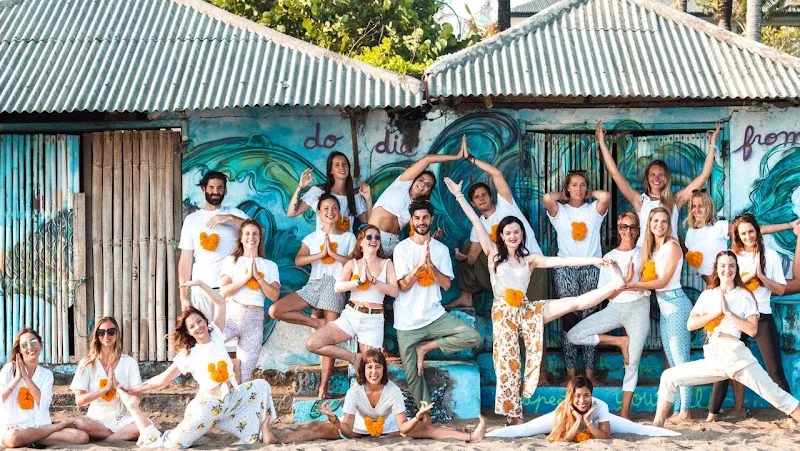
Joga Yoga
Canggu · vinyasa
Canggu studio with a strong anatomy focus. Teacher Nitish praised for detailed instruction. All-inclusive 200hr from ~USD 2,090 with accommodation and meals.
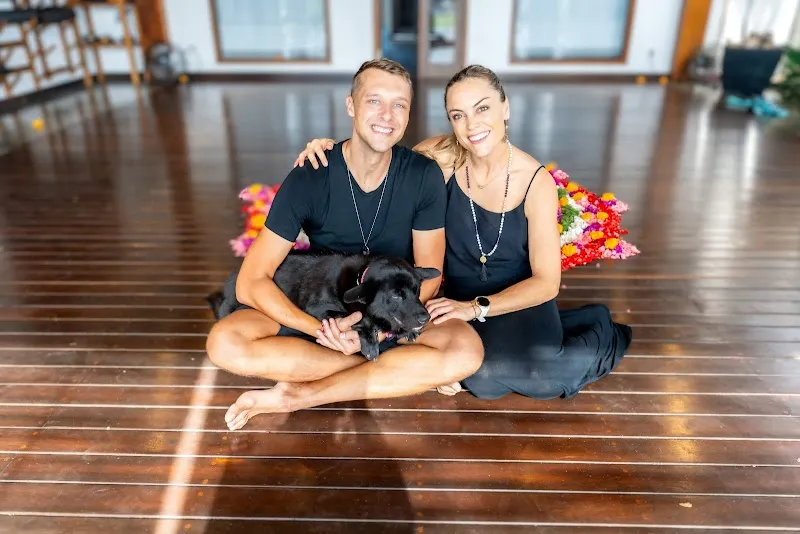
Loka Yoga School
Canggu · vinyasa
Canggu-area school with flexible pricing from USD 2,000 tuition-only. Strong anatomy focus and Vinyasa/Yin specialization. Teacher Taryn praised for engaging instruction.
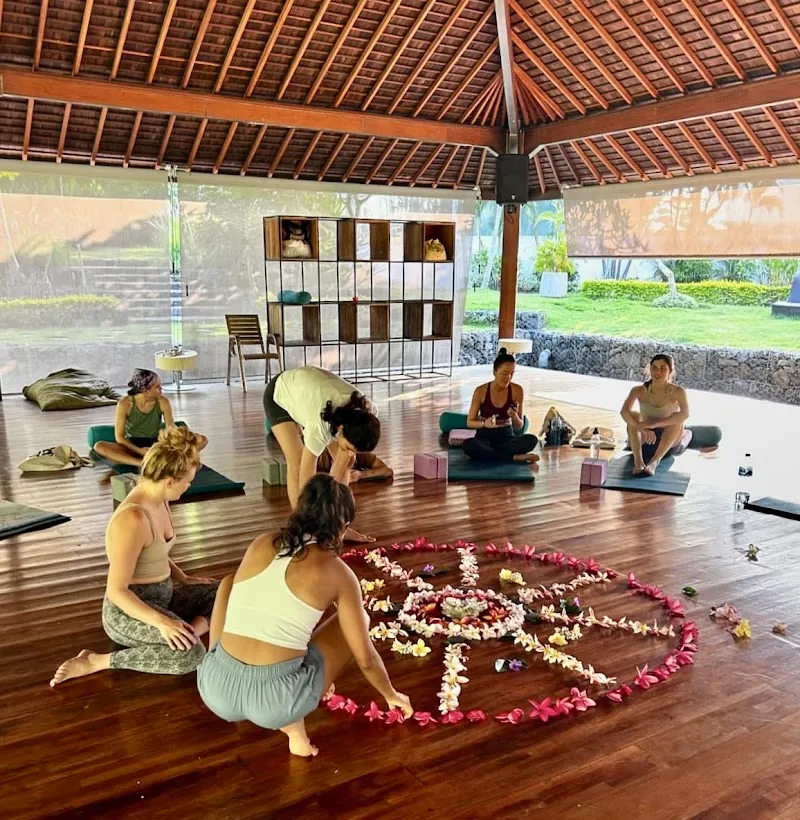
Samasti Yoga
Canggu · vinyasa
Residential training in Kerobokan, on the Canggu side. 28-day immersive 200hr from USD 3,690 all-inclusive. Reviewers consistently describe the experience as life-changing.
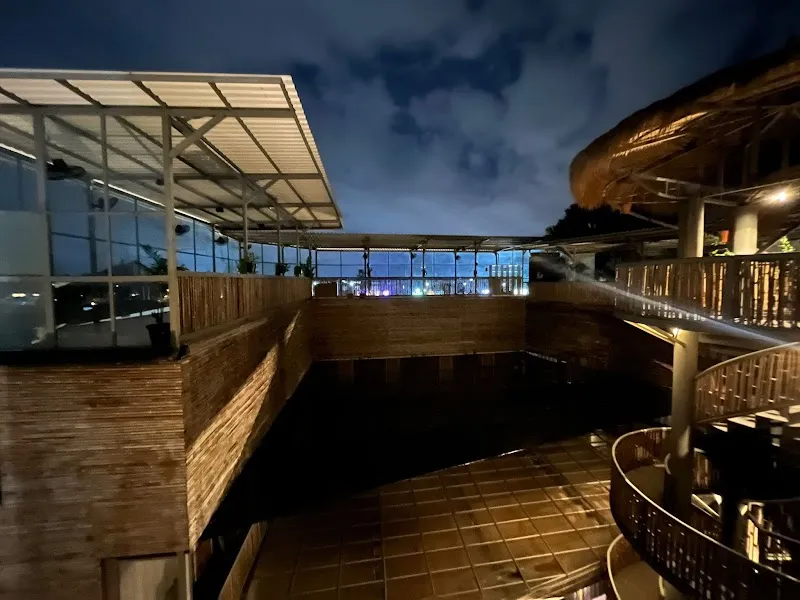
ADDA Yoga Canggu
Canggu
Canggu studio and YTT school on the Berawa Beach side. Integrates meditation, breathwork, and sound healing into the curriculum. Easy access to Canggu's wellness scene.
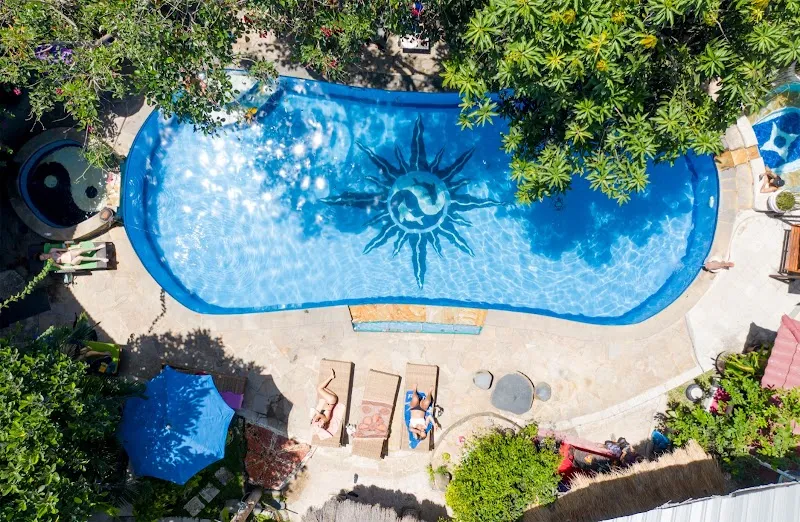
Serenity Eco Guesthouse and Yoga
Canggu · Training venue
Canggu eco-wellness venue hosting RYS-certified partner YTT programs. Eco-friendly accommodation, praised vegetarian meals, and dedicated shala near Echo Beach.
What to Expect in Canggu
Canggu offers a different YTT experience than Ubud: beach town energy, a younger international community, and schools that blend traditional yoga training with modern wellness culture. Seven RYS-certified schools operate in the greater Canggu area, spanning Berawa, Pererenan, and Echo Beach. Training environments are typically more contemporary than Ubud's ashram-style settings, with open-air studios overlooking rice fields or the coast, surf-culture influences, and proximity to cafes, coworking spaces, and the beach. Canggu YTTs attract students who want rigorous certification training without completely disconnecting from social life. The vibe is less monastery, more modern wellness community, with prices starting at USD 2,000 (Loka Yoga School, tuition-only) and reaching USD 3,690 (Samasti Yoga, all-inclusive).
Popular Programs in Canggu
Canggu schools lean toward contemporary yoga styles. Vinyasa and creative flow programs are the strongest offerings here, reflecting the area's energetic, movement-oriented character. ADDA Yoga (USD 2,800 shared, USD 3,500 private) is known for Anastacia's integration of sound healing with breath and movement work. Loka Yoga School offers a tuition-only option at USD 2,000 for students who already have Canggu accommodation, alongside an all-inclusive tier at USD 3,500. Joga Yoga (USD 2,090) brings traditional Hatha-Vinyasa methodology under lead teacher Nitish. Yin and restorative components are included in most programs as counterbalance to the physically active lifestyle Canggu encourages. Serenity Eco Guesthouse operates as a Training Venue hosting partner RYS school programs at its Pererenan facility. The proximity to Echo Beach and Batu Bolong means many students combine their YTT with early morning surf sessions on rest days.
Tips for Visitors to Canggu
Canggu is spread out and you will likely need a scooter to get between your school, accommodation, and the beach if they are not co-located. Traffic on Jalan Batu Bolong and the main Canggu roads can be intense, especially around sunset. Most Canggu schools do not include accommodation in the same way Ubud ashram programs do; you may need to arrange separate housing in a nearby guesthouse or shared villa (USD 300 to USD 800 per month). The food scene is excellent: dozens of health-conscious cafes serve smoothie bowls, plant-based meals, and specialty coffee within walking distance of most schools. Canggu is warmer and more humid than Ubud with direct sun exposure, so stay hydrated and bring sunscreen for outdoor practice sessions.
Frequently Asked Questions about Canggu
The choice depends on what you want outside of training hours. Both areas have excellent RYS-certified schools with equivalent Yoga Alliance certifications. Ubud offers deeper spiritual immersion: rice paddies, temples, quiet evenings, and a town culture oriented around yoga and meditation. Canggu offers beach access, a vibrant international food and cafe scene, surf culture, and a younger social community. Canggu suits students who want serious training during the day but do not want to feel isolated during evenings and rest days. Ubud suits students who want their entire environment to support the inward focus of intensive training.
Ngurah Rai International Airport is approximately 20 km from central Canggu, taking 45 to 75 minutes by car depending on traffic (Canggu's single-lane access roads create bottlenecks during rush hours). Grab is the most convenient option at IDR 150,000 to IDR 250,000 (USD 10 to USD 16). Some schools arrange airport pickup, though fewer Canggu programs include this compared to Ubud. If arriving late at night, pre-book a private transfer through your school or accommodation. The Canggu shortcut road from the airport direction helps but still adds 15 to 20 minutes during peak times.
On rest days (one per week), absolutely. Echo Beach and Batu Bolong are within 10 to 15 minutes of most Canggu schools by scooter. Board rental runs USD 5 to USD 8 per day. Some students manage early morning surfs before training starts (dawn sessions at 5:30 AM, then training at 7:00 or 8:00 AM), but this requires a program with a slightly later start time and a beach within 5 minutes of your school. Most lead teachers advise against additional intense physical activity during training weeks, since YTT already involves 4 to 6 hours of physical practice daily and the cumulative fatigue compounds by week two.
It varies more in Canggu than in Ubud. ADDA Yoga offers both shared (USD 2,800) and private (USD 3,500) accommodation tiers as part of the program. Samasti Yoga (USD 3,690) includes accommodation. Loka Yoga School offers both options: tuition-only at USD 2,000 or all-inclusive with shared accommodation at USD 3,500. The Path Wellness Center and Joga Yoga also include accommodation options. Serenity Eco Guesthouse, as a Training Venue, provides on-site accommodation for programs hosted at its facility. If your program is tuition-only, Canggu guesthouses and shared villas run USD 300 to USD 800 per month, with Berawa and Pererenan neighborhoods being closest to most schools.
Canggu has the most active nightlife of any Bali YTT area, with bars, beach clubs, and live music venues concentrated along Batu Bolong and the Berawa strip. Whether this is a problem depends entirely on your self-discipline. Training starts at 6:00 to 7:00 AM, runs 6 to 8 hours daily, and student reviews consistently describe physical and mental exhaustion by mid-training. Students who go out regularly during training weeks report struggling in morning sessions. The practical solution: treat training weeks like an athletic training camp. Save social evenings for rest days and post-training celebration. Most Canggu YTT cohorts self-regulate, with the group naturally gravitating toward early nights.
Canggu has more coworking options than any other area in Bali: Dojo Bali, Outpost Canggu, Tropical Nomad, and numerous cafe-based workspaces with fast Wi-Fi (20 to 50 Mbps). Day passes run USD 10 to USD 15, monthly memberships USD 100 to USD 200. However, YTT schedules run 6 to 8 hours per day with mandatory attendance, leaving limited productive work time. Evenings are typically consumed by study, journaling, and recovery. If remote work is unavoidable, communicate clearly with your school about schedule constraints before enrolling, and be realistic: sustained productive remote work alongside a full-time YTT is a common aspiration but a rare reality.
This directory lists 6 listings in greater Canggu (ADDA Yoga, Loka Yoga School, Joga Yoga, The Path Wellness Center, Samasti Yoga, and Serenity Eco Guesthouse as a Training Venue). Compared to Ubud's 20 listings, the selection is smaller but still covers major styles and price points from USD 2,000 to USD 3,690. Canggu schools tend toward contemporary teaching approaches: creative Vinyasa sequencing, sound healing integration, modern wellness frameworks. Ubud schools more often emphasize traditional lineage, philosophy, and ashram-style immersion. The difference is in training culture, not certification quality.
A scooter is highly recommended. Canggu is spread across several kilometers with no reliable public transport, and the main roads (Jalan Batu Bolong, Jalan Pantai Berawa) have heavy traffic and narrow or nonexistent sidewalks. Walking between neighborhoods (Berawa to Echo Beach, for example) takes 30 to 45 minutes in tropical heat. Scooter rental costs IDR 60,000 to IDR 80,000 per day (USD 4 to USD 5) or IDR 700,000 to IDR 1,000,000 per month (USD 45 to USD 65). If you are uncomfortable riding a scooter in traffic, choose a program with on-site accommodation so commuting is not an issue.
Canggu attracts a younger demographic (predominantly 25 to 35), digital nomads combining training with a longer Bali stay, surfers who want ocean access on rest days, and students who value social community outside training hours. The typical Canggu YTT student wants rigorous certification training during the day but does not want their entire Bali experience to be an isolated retreat. Students seeking deep spiritual immersion, silent meditation integration, or an ashram-style container generally prefer Ubud. Neither choice is better for the quality of training itself: the Yoga Alliance certification and teaching skills are equivalent.
Canggu's food scene is excellent in quality and variety but slightly more expensive than Ubud for comparable meals. Health-focused cafes (smoothie bowls, plant-based meals, specialty coffee) are abundant, with most meals running USD 6 to USD 12 at Western-oriented restaurants. Local warungs (Balinese eateries) offer Nasi Campur and other traditional dishes for USD 2 to USD 4. Ubud has a wider range of budget eating options because its warung culture is more established. If your Canggu program does not include meals, budget USD 15 to USD 25 per day for eating out with a mix of cafe and warung meals. Programs that include meals (ADDA Yoga, Samasti Yoga) eliminate this variable.
Schools in Other Areas
Still weighing up Canggu against the rest of the island? Our guide to where to do your YTT in Bali compares Ubud, Canggu and Uluwatu on the vibe of each area, what programs there typically cost, and how many schools you have to choose from.